Newsletter: NATO braces for impact
etter Explores Key Developments Newsletter - This week’s newsletter delves into the critical NATO summit in Ankara, where leaders confront pressing challenges

NATO Summit 2026: Euronews Newsletter Explores Key Developments
Poinews.com – This week’s newsletter delves into the critical NATO summit in Ankara, where leaders confront pressing challenges that could redefine the alliance’s future. As the 32-member organization prepares to address security concerns, economic disparities, and geopolitical tensions, the event marks a pivotal moment for global stability. Euronews correspondent Shona Murray reports from the Turkish capital, highlighting how the summit aims to strengthen collective defense while navigating the complexities of member state priorities. With the world watching, the newsletter provides a comprehensive overview of the issues at stake and their potential impact on international relations.
A Shifting Security Landscape
The summit is set against a backdrop of escalating threats, from hybrid warfare in Eastern Europe to cyberattacks targeting critical infrastructure. NATO’s focus on reinforcing defense capabilities has intensified following recent Russian military actions, which have exposed vulnerabilities in the alliance’s eastern flank. Secretary-General Mark Rutte emphasized the urgency of modernizing defense systems, calling for a unified approach to address these challenges. “The newsletter has been tracking how NATO members are balancing their commitments to both traditional and emerging security risks,” noted Murray during a pre-summit briefing. This includes a push for the production of advanced weapons systems and increased investment in joint military exercises.
“The path to a stronger NATO requires not just strategic agreements, but sustained political will. Every nation must play its part,” said Rutte in a press conference, urging leaders to prioritize long-term stability over short-term interests.
France’s Political Crucible
Meanwhile, France’s domestic political landscape is also in flux, as the Paris Court of Appeal prepares to rule on Marine Le Pen’s five-year ban from public office. The decision, expected at 1:30 pm Tuesday, could determine the outcome of the 2027 presidential election, with Le Pen’s National Rally party facing a potential leadership vacuum if she is disqualified. The newsletter highlights how this legal battle reflects broader debates over European integration and national sovereignty. If the ruling favors Le Pen, her campaign could gain momentum, but a ban might elevate Jordan Bardella as the party’s de facto candidate.
“Whatever happens, I will not be dead; whatever happens, I will continue to fight for my ideas,” Le Pen stated in an interview with LCI, underscoring her resolve despite the legal challenges.
Ukraine’s Strategic Gambit
Ukrainian President Volodymyr Zelenskyy is leveraging the summit to advocate for expanded NATO support, particularly in the form of Patriot missile systems. The newsletter reports that Kyiv’s industrial capacity has been tested by a recent Russian missile barrage, which caused significant casualties and marked a turning point in the conflict. Zelenskyy argues that local production of advanced weapons would bolster Ukraine’s defense capabilities and demonstrate its commitment to self-reliance. This push aligns with NATO’s broader goal of diversifying defense supply chains and reducing dependency on single nations.
The summit also serves as a platform for discussing long-term support for Ukraine, with European leaders debating how to allocate resources effectively. “The newsletter has tracked how member states are recalibrating their financial commitments in light of the war’s evolving demands,” Murray explained. This includes a review of existing defense spending targets and the potential for new funding mechanisms to sustain the conflict.
Global Implications and Diplomatic Challenges
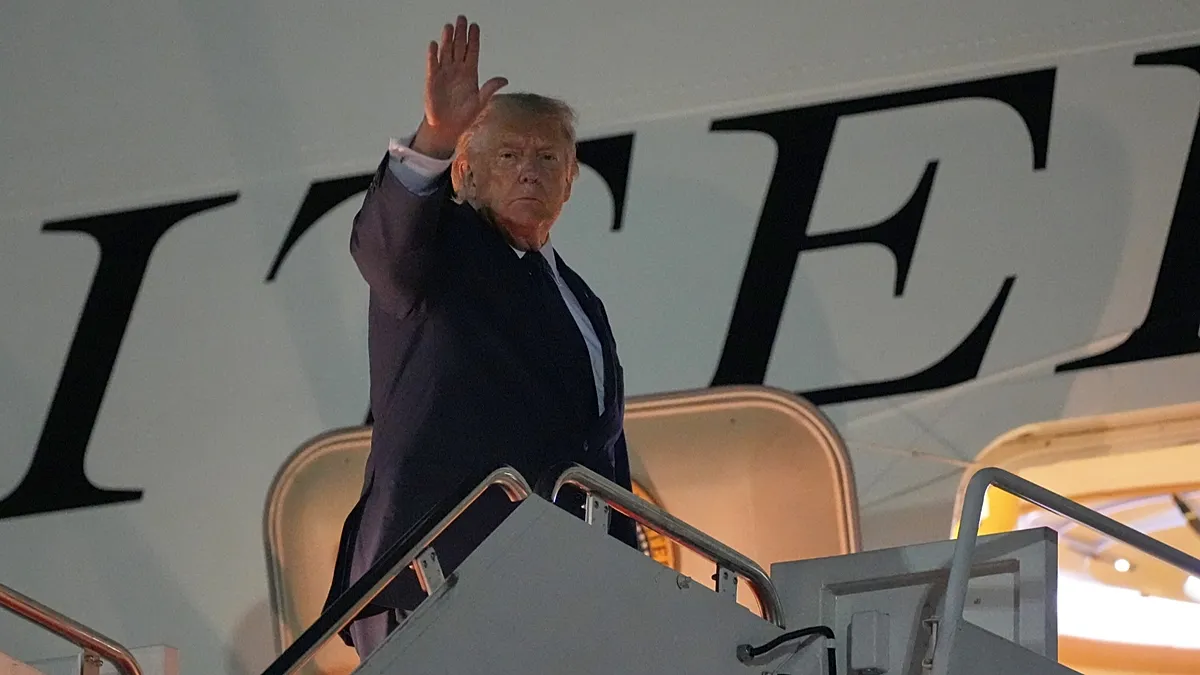
As the summit progresses, diplomatic tensions between the U.S. and European allies remain a focal point. Trump’s criticisms of NATO’s spending commitments have resurfaced, with some members citing the alliance’s recent progress in addressing budgetary shortfalls. However, the newsletter notes that the summit is not solely about financial pledges but also about strategic realignment in response to global threats. The presence of U.S. representatives, including Trump, has sparked discussions on how to maintain unity amid differing priorities.
European leaders are also emphasizing the need for a more cohesive approach to security policy, with Rutte highlighting the importance of collaboration in the face of uncertainty. “The newsletter has highlighted how the summit aims to bridge gaps between NATO members, ensuring a united front against emerging challenges,” Murray added. This includes a review of defense industry partnerships and the potential for new technological innovations to enhance collective security.
Conclusion: A New Era for NATO
The Ankara summit represents a critical juncture for NATO, as leaders seek to address both immediate and long-term security needs. The newsletter underscores the significance of this gathering in shaping the alliance’s future, from reinforcing defense capabilities to navigating political challenges within member states. With the world on edge, the summit’s outcomes will likely influence global security strategies and the balance of power in Europe. As the discussions unfold, the newsletter remains a vital resource for readers seeking insights into NATO’s evolving role in international affairs.