Hong Kong activist Joshua Wong set for September sentencing in second national security case
Hong Kong Activist Joshua Wong Set for September Sentencing in Second National Security Case Hong Kong activist Joshua Wong set - Hong Kong activist Joshua

Hong Kong Activist Joshua Wong Set for September Sentencing in Second National Security Case
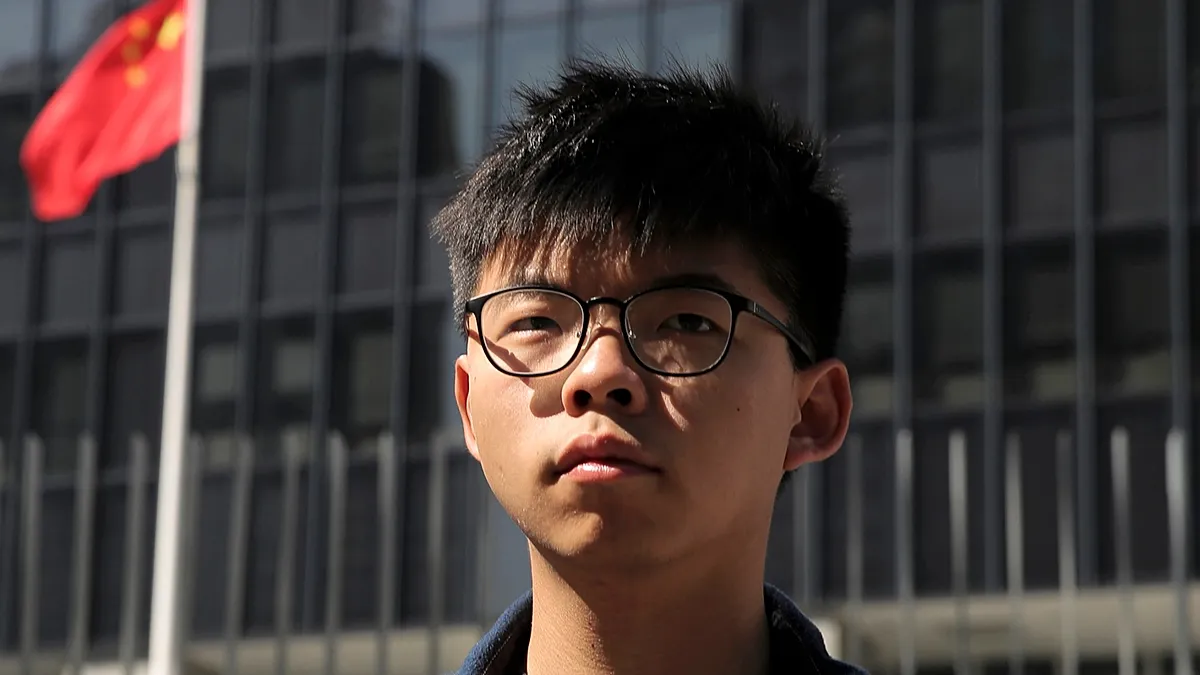
Poinews.com – Hong Kong activist Joshua Wong is preparing for a significant legal milestone as he faces sentencing in September for charges related to his involvement in a second national security case. This case, which has sparked international debate, centers on Wong’s alleged role in conspiring to collude with foreign forces between July 2020 and November 2020. The national security law, a cornerstone of Beijing’s governance strategy in Hong Kong, has been central to his prosecution, with critics arguing it has restricted the city’s pro-democracy movement.
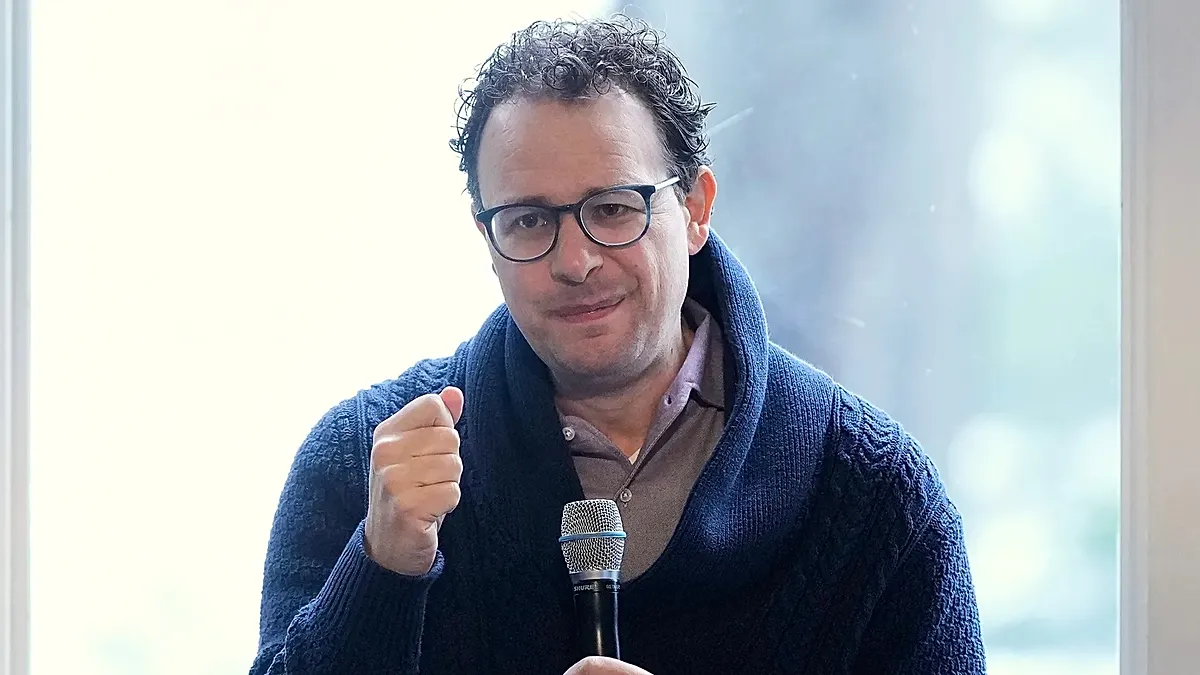
According to Hong Kong’s judiciary, a one-day hearing for Wong’s plea and sentence is scheduled for 2 September. Wong, who was arrested in June 2025, is accused of coordinating with Nathan Law and others to solicit sanctions or hostile actions against Hong Kong or China from international entities. The charges carry severe penalties, including imprisonment for up to 10 years or even life if the offense is deemed particularly grave. This case follows his earlier conviction in 2024 for a separate charge involving an unofficial primary election, which resulted in a four-year-and-eight-month prison sentence.
Joshua Wong’s Political Influence and Activism
Joshua Wong, a figurehead of Hong Kong’s pro-democracy movement, first gained prominence in 2012 as a high school student leading protests against national education initiatives. His activism continued to grow, culminating in his role as a central organizer of the 2014 Occupy Movement, which aimed to challenge Beijing’s influence over the city’s political system. In 2016, he co-founded Demosisto, a political party that sought to push for democratic reforms and greater autonomy for Hong Kong.
“He was instrumental in amplifying Hong Kong’s voice on the global stage,” said a former legal expert who has studied the city’s political landscape. “His actions have consistently been framed as efforts to undermine national security, yet they also reflect a deep commitment to the city’s democratic ideals.”
Wong’s activism has made him a symbol of resistance in Hong Kong, though his 2020 arrest marked a turning point. The national security law, enacted by Beijing in 2020, has been used to target pro-democracy figures, with authorities claiming it is necessary to maintain stability and curb separatist activities. Wong’s current case is seen as a continuation of this effort, with legal analysts noting its potential to set a precedent for future prosecutions.
Global Reactions and Legal Implications
Joshua Wong’s sentencing has drawn widespread attention from global media and political leaders. The case has been framed as a test of Hong Kong’s autonomy, with some critics accusing Beijing of using the national security law to suppress dissent. In addition to the 1 million Hong Kong dollars offered as a reward for information leading to the arrests of Nathan Law and other activists, the law’s extraterritorial reach has been highlighted by recent legal actions in London. A former UK border official and a retired Hong Kong police officer were recently sentenced for spying on dissidents in Britain, including Law, underscoring the law’s broader impact.
International reactions have been mixed. While some governments have expressed support for Hong Kong’s legal system, others have condemned the charges as politically motivated. The case has also raised questions about the independence of Hong Kong’s judiciary, with reports suggesting that the prosecution of Wong and other activists may reflect a shift toward stricter control over the city’s legal processes. Legal experts warn that the outcome could influence how future cases are handled, potentially strengthening Beijing’s grip on Hong Kong’s political narrative.
As the September hearing approaches, Joshua Wong’s case remains a focal point for discussions about Hong Kong’s evolving political landscape. The national security law has not only reshaped the legal environment but has also deepened the divide between pro-democracy advocates and those supporting Beijing’s policies. With his sentencing likely to be a defining moment, the case is expected to have lasting implications for Hong Kong’s autonomy and its relationship with mainland China.