Watch: Planning to visit Europe this summer? The new Entry/Exit System means longer queues
Watch: Planning to visit Europe this summer? The new Entry/Exit System means longer queues: Watch: Planning to visit Europe this summer? EU Entry/Exit System

Watch: Planning to visit Europe this summer? EU Entry/Exit System Causes Queue Delays
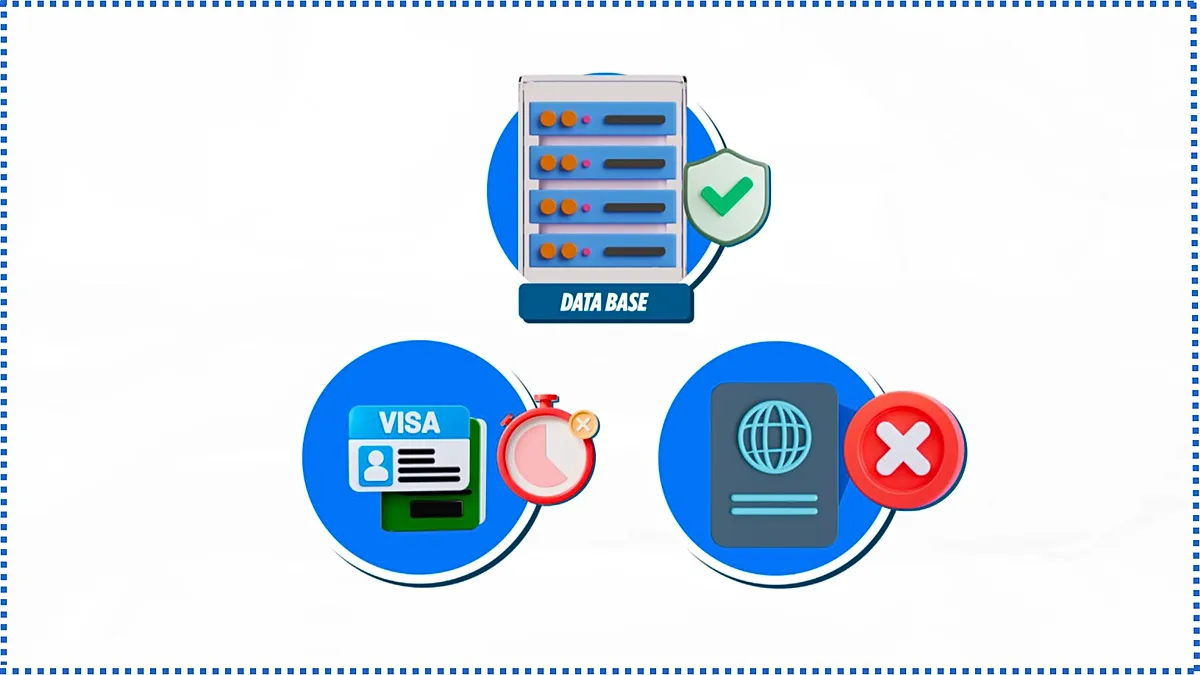
Poinews.com – Planning to visit Europe this summer? The new EU Entry/Exit System has introduced unexpected delays, leading to longer queues at border checkpoints. Launched to enhance security and streamline travel, the automated digital tool has faced challenges in implementation, affecting millions of visitors. The system, which tracks arrivals and departures through biometric data, aims to reduce paperwork and speed up crossings, but its rollout has caused confusion and frustration. As the summer season intensifies, the need for a balanced approach between efficiency and user experience becomes more critical. The Entry/Exit System’s impact is felt across 29 member states, where processing times have extended and disruptions are becoming more frequent.
Travelers’ Experiences Highlight System Struggles
Travelers report varying experiences with the Entry/Exit System, but many describe long waits and delays. During peak periods, some airports have reported processing times exceeding five hours, raising concerns about the system’s readiness for high-volume travel. While the technology is designed to handle large numbers efficiently, its current performance has fallen short of expectations. For instance, the system’s integration with existing border infrastructure has not been seamless, leading to bottlenecks. Additionally, the mandatory use of biometric data for first-time visitors has added complexity, with some travelers needing to reconfigure their plans. These issues have sparked debates about whether the system is fully prepared for the summer influx of tourists.
EU’s Digital Ambitions Face Operational Challenges
The EU’s push for a unified digital border system has encountered operational hurdles. National capitals, tasked with implementing the technology, have had to navigate differing levels of preparedness. Some airports are equipped with advanced digital kiosks and real-time tracking capabilities, while others still rely on manual processes. This uneven rollout has created inconsistencies in the travel experience, with some regions reporting smoother operations and others facing significant delays. Frontex, the European border agency, acknowledges the need for further coordination, emphasizing that the system’s success depends on harmonizing national efforts. Officials also note that the system’s ability to detect overstayers and forged documents has improved, but the trade-off in terms of user convenience is a key point of discussion.
Watch the Euronews video in the player above for the full story.
Experts highlight that the Entry/Exit System’s core function—automating border checks—was intended to reduce queues and enhance security. However, its implementation has exposed gaps in technical readiness and staff training. For example, the system’s reliance on biometric data has required travelers to carry additional documents, increasing the time spent at checkpoints. Some reports indicate that errors in data matching have led to temporary rejections, further complicating the process. These issues, though manageable in the long term, have disrupted short-term travel plans and raised questions about the system’s user-friendliness. As the EU continues to refine the technology, travelers are urged to plan ahead and allow extra time for border procedures.
Projected Impact on Tourism and Economy
The delays caused by the Entry/Exit System could have significant repercussions for Europe’s tourism sector. With summer travel accounting for a large portion of annual tourism revenue, the system’s inefficiencies may deter some visitors and impact the industry’s performance. Officials estimate that the disruption could affect 41 million arrivals and threaten 45 billion dollars in projected earnings. Airports across the continent are also bracing for an additional 40 million passengers compared to early summer, putting pressure on the system’s capacity. While the EU maintains that the long-term benefits of the system outweigh the current challenges, stakeholders argue for more transparent communication and contingency planning to mitigate the negative effects on travelers and local economies.
Despite the challenges, the Entry/Exit System represents a step forward in Europe’s digital transformation of border management. Its integration with the Schengen Information System (SIS) allows for real-time monitoring of travelers’ movements, improving security and enabling quicker decisions on entry and exit. However, the system’s complexity has led to technical glitches and administrative delays, particularly in the early stages of implementation. Officials stress that these issues are temporary and that the system will stabilize with time, but travelers remain concerned about the immediate effects. As the EU works to address these concerns, the focus keyword “Planning to visit Europe this” continues to resonate with those preparing for summer trips, underscoring the need for clarity and adaptability in the new system.