Live. Europe Today: US and Iran strike framework deal as Trump heads to Europe for G7 summit
Europe Today: US and Iran Announce Framework Deal as Trump Heads to G7 Summit Europe Today – As U.S.

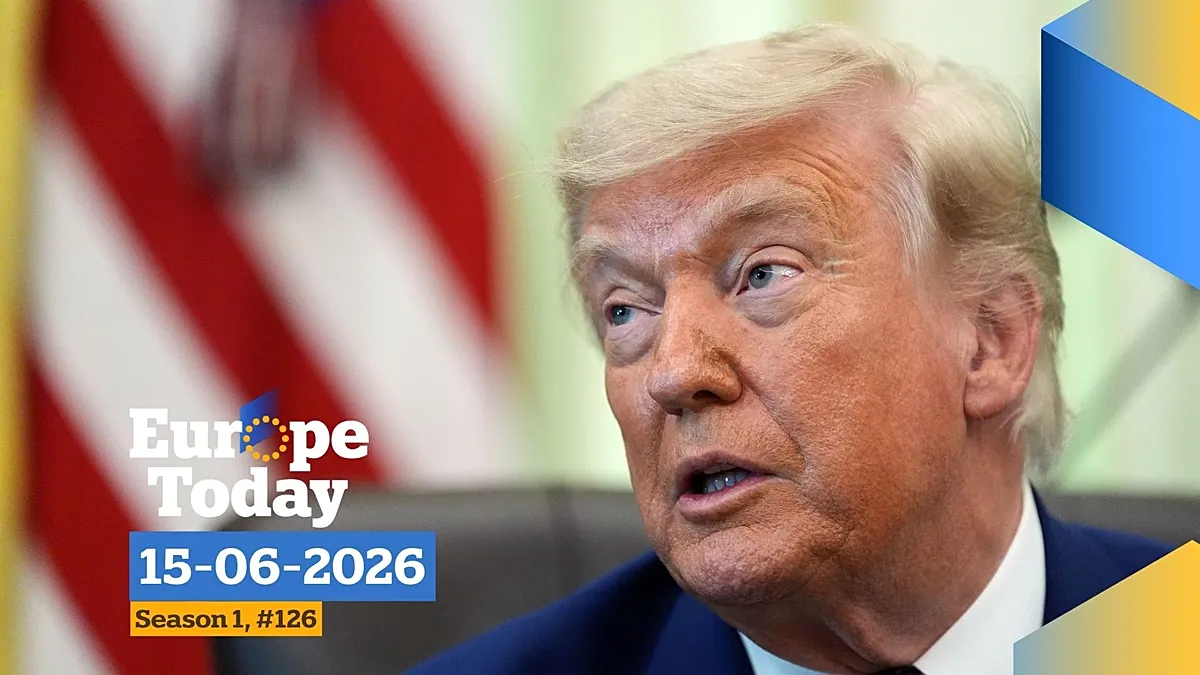
Europe Today: US and Iran Announce Framework Deal as Trump Heads to G7 Summit
Poinews.com – As U.S. President Donald Trump prepares to travel to Europe for the G7 summit, a notable diplomatic achievement has emerged between the United States and Iran. The two nations have reached a preliminary agreement, signaling a potential shift in their longstanding tensions. This framework deal, which focuses on easing restrictions and stabilizing trade relations, aims to address critical concerns in the region, including security at the Strait of Hormuz and energy market dynamics. Jane Witherspoon of Euronews provides an in-depth analysis of the agreement’s implications for Europe Today and the broader international community.
Global Agendas and European Implications
The G7 summit in France has become a focal point for addressing pressing global challenges, with Europe Today being a central theme in discussions. Topics such as climate change, economic cooperation, and conflict resolution in Ukraine have dominated the agenda, reflecting the bloc’s commitment to shaping international policy. The U.S.-Iran deal, though initially seen as a bilateral effort, has the potential to influence Europe Today’s energy security and trade policies. Maria Tadeo of Euronews highlights how this agreement could ease supply chain pressures and reduce geopolitical risks that have impacted European markets.
“The U.S.-Iran framework deal represents a strategic move to stabilize the region, which is vital for Europe Today’s economic interests,” states EU editor Maria Tadeo in her latest update.
Analysts emphasize that the deal’s success depends on its ability to maintain dialogue between the U.S. and Iran, two key players in the Middle East. Europe Today, with its deep economic ties to both nations, stands to benefit from reduced tensions. The agreement also opens the door for potential collaboration on nuclear energy and regional security initiatives, offering a glimpse of renewed cooperation that has been absent for years. While the deal is not yet a final treaty, it marks a critical step toward addressing Europe Today’s energy and political challenges.
EU Membership Talks and Eastern Europe’s Future
Meanwhile, Europe Today is also witnessing significant developments in the expansion of the European Union. Moldova and Ukraine have taken the first steps toward EU membership negotiations, a move that underscores the bloc’s growing influence in Eastern Europe. Cristina Gherasimov, Moldova’s Deputy Prime Minister for European Integration, is live in Luxembourg to detail the progress of these talks, which are seen as a cornerstone for regional stability. The EU’s commitment to integrating neighboring states aligns with its broader goal of strengthening European unity in the face of global uncertainties.
“EU membership is a transformative opportunity for Moldova and Ukraine, offering access to Europe Today’s markets and shared values,” notes Moldova’s Deputy PM Cristina Gherasimov in her recent interview with Euronews.
The negotiations, which are expected to span several months, include discussions on economic reforms, political alignment, and infrastructure development. Europe Today is closely monitoring these efforts, as the inclusion of new members could reshape the bloc’s geopolitical landscape. Ukraine’s participation, in particular, has drawn attention due to its strategic importance in energy transit and its role in the ongoing conflict with Russia. The EU’s expansion plans are seen as a way to solidify its influence and provide a counterbalance to emerging global powers.
Experts suggest that the U.S.-Iran deal and EU membership talks are interconnected in their impact on Europe Today. Both initiatives reflect a broader trend of fostering stability through diplomacy and integration. As the G7 summit progresses, leaders will likely discuss how to leverage these developments to strengthen Europe Today’s position on the world stage. The interplay between regional cooperation and global alliances is set to be a defining aspect of the summit’s outcomes.
World Cup Spotlight and Live Updates
Amid the political developments, Europe Today is also keeping a watchful eye on the World Cup, which continues to captivate audiences across the continent. Vincenzo Genovese of Euronews reports on the latest match highlights, while Laura Fleischmann delivers live commentary from Berlin following Germany’s historic first victory in the tournament. The World Cup’s popularity highlights the role of sports in uniting Europe Today’s diverse populations and fostering a sense of shared identity.
“The World Cup serves as a mirror to Europe Today’s cultural and social cohesion, bringing nations together through a common passion,” observes Euronews’ sports correspondent Vincenzo Genovese.
As the G7 summit unfolds, the contrast between high-level diplomacy and the excitement of global sports events underscores the multifaceted nature of Europe Today’s news landscape. The World Cup’s influence extends beyond entertainment, with its outcomes often impacting international trade and tourism. Euronews’ live coverage of both the summit and the World Cup ensures that Europe Today’s audience remains informed about the diverse issues shaping the continent and the world.
Europe Today’s media presence is further strengthened by the collaboration between its chief anchor, Méabh McMahon, and EU editor, Maria Tadeo. Their weekly live coverage, broadcast at 8 am Brussels time, offers a comprehensive overview of the EU’s strategic priorities. This format, which blends news, analysis, and real-time updates, has become a trusted source for understanding the complex dynamics of Europe Today’s political and economic environment.