Italy tops European tourism in 2026 with a busy summer in sight
Italy Leads European Tourism in 2026 Amid Summer Surge Italy tops European tourism in 2026, marking a significant milestone as the continent’s travel sector


Italy Leads European Tourism in 2026 Amid Summer Surge
Poinews.com – Italy tops European tourism in 2026, marking a significant milestone as the continent’s travel sector reaches unprecedented levels of activity. According to the latest data from the Interior Ministry’s Alloggiati Web platform, Italy’s regions are experiencing a surge in visitor numbers, with Calabria securing the top position for tourist arrivals. This trend is further amplified by the growing popularity of Sardinia, which is projected to see an 8.24% rise in international visitors. The surge is attributed to a combination of Italy’s iconic cultural landmarks, world-class dining experiences, and favorable weather conditions, making the country a prime destination for travelers across Europe.
Occupancy Rates Outpace Competitors
Italy’s tourism infrastructure is witnessing a robust increase in occupancy rates, surpassing those of its European counterparts. Online booking platforms reported an OTA occupancy rate of 51.2% for Italy in 2026, significantly higher than Spain’s 42.8% and France’s 32.9%. While this indicates strong demand for accommodations, the average nightly rate in Italy remains lower than in Spain and Greece, at €153 compared to €170 and €195, respectively. This pricing dynamic reflects a focus on accessibility, as Italy’s regions such as Veneto, Emilia-Romagna, and the autonomous provinces of Trento and Bolzano continue to lead with occupancy rates exceeding 55%, far surpassing the national average of 51.2%.
Seasonal Growth in Occupancy
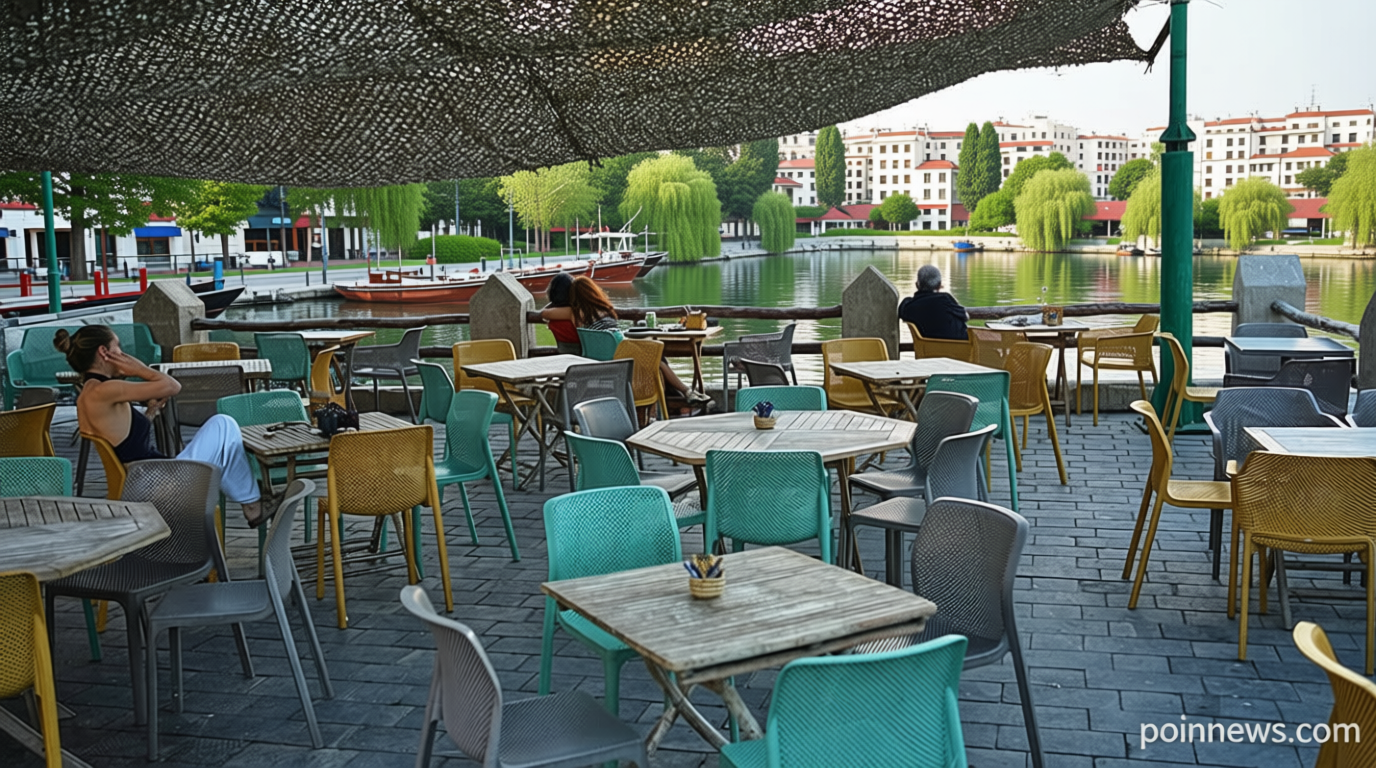
The summer season has become a critical driver for Italy’s tourism growth, with occupancy rates surging by 13.4% in June and 10% in July compared to the previous year. This momentum is particularly evident in non-traditional tourism hubs like lake regions, which saw a 54% occupancy rate, outperforming coastal areas and seaside resorts by 3%. The rise in visitor numbers across these destinations highlights a shift in travel preferences, as tourists increasingly seek destinations that offer unique experiences beyond typical beach vacations. This growth is nearly double the national average of 4.5%, signaling a broad-based recovery in the sector.
Regional Trends in Visitor Arrivals
Preliminary data from the Interior Ministry reveals that Italy’s tourism numbers have risen by 4.43% in the first half of 2026 compared to the same period in 2025. International visitors accounted for a substantial portion of this growth, increasing by 6.45% year-on-year. Regions like Calabria, which reported a remarkable 23.19% jump in arrivals, and Puglia, with a 14.63% rise, are showcasing Italy’s ability to attract a diverse range of tourists. Domestic tourism also recorded a modest 1.97% increase, with Umbria and Liguria standing out for their 13.64% and 8.89% growth, respectively. These figures highlight the resilience of Italy’s tourism industry despite global challenges.
Non-Hotel Tourism Gains Momentum
Italy’s tourism landscape is diversifying as non-hotel accommodations experience a notable 7.46% increase, outpacing the 2.27% growth in hotel bookings. This shift underscores a growing consumer preference for unique, immersive experiences, such as rural stays, agritourism, and boutique guesthouses. The rise in non-hotel tourism is expected to further boost local economies and reduce overcrowding in traditional hotel areas, allowing for a more balanced distribution of visitors across the country’s regions.
Economic Impact and Strategic Investment
The surge in tourism has had a profound economic impact on Italy, with the sector contributing significantly to employment and revenue. According to the Ministry of Tourism, the industry’s growth has helped offset challenges posed by global events, positioning Italy as a key player in the European market. The government has allocated additional resources to support this momentum, investing in infrastructure, marketing campaigns, and sustainability initiatives. These efforts are designed to ensure that Italy maintains its position as the top European destination while addressing environmental concerns and enhancing visitor experiences.
Looking Ahead: Summer Projections and Future Opportunities
As the summer season approaches, analysts predict that Italy will continue to dominate European tourism in 2026. The Interior Ministry’s data suggests that the period will see a 5.3% rise in visitor arrivals, driven by the country’s rich cultural heritage, historical sites, and natural beauty. With its strategic focus on both international and domestic tourism, Italy is well-positioned to capitalize on this trend. The government’s commitment to investing in the sector, alongside the efforts of local entrepreneurs and professionals, reinforces confidence in Italy’s ability to sustain its leadership in the European tourism arena.
“These figures confirm that, in a world of global challenges, Italy’s tourism sector continues to post record results. The sector is proving ever more strategic and is confirming its role as a pillar of the national economy. The ministry will continue to invest and to look to the future with optimism,” explains Tourism Minister Gianmarco Mazzi.
“Italy is at the top of European tourism, a result that recognises the beauty of our country, the quality of our offer and the hard work of the entire tourism sector,” Prime Minister Giorgia Meloni expressed. “My thanks go to the entrepreneurs, workers and professionals in the sector who every day help make Italy a destination that is increasingly attractive and competitive. The government will continue to play its part in supporting a sector that is strategic for our economy and for the country’s growth,” the prime minister concluded.