European Parliament triggers procedure to ban Alternative for Germany’s EU party
European Parliament Triggers Procedure to Ban AfD's EU Party European Parliament triggers procedure to ban Alternative - The European Parliament has formally

European Parliament Triggers Procedure to Ban AfD’s EU Party
Poinews.com – The European Parliament has formally initiated a process to ban the Alternative for Germany (AfD) from its European political party status, marking a significant step in the bloc’s efforts to align with core democratic principles. This move, under the authority of the European Political Parties and Foundations (APPF), aims to revoke the party’s recognition due to its perceived violations of EU values. The decision follows months of scrutiny over AfD’s rhetoric and policies, which have increasingly been associated with far-right nationalism and anti-EU sentiment across multiple member states.
Political Divisions and Voting Outcomes
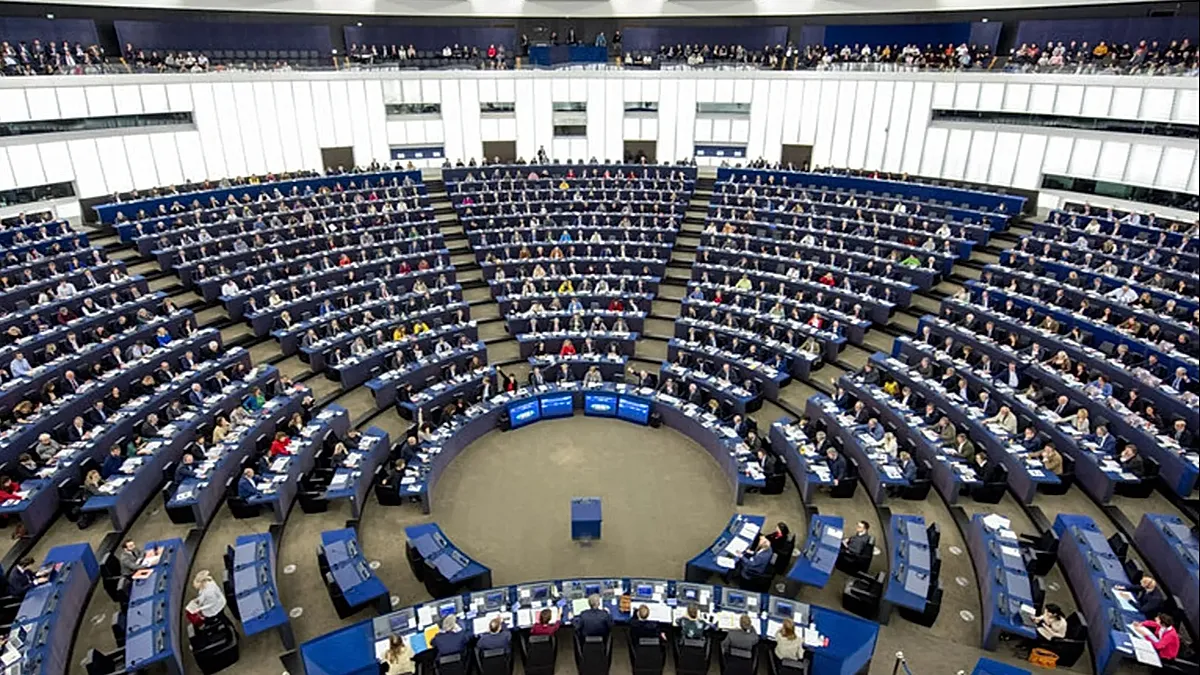
The resolution was passed with a decisive majority, securing 414 votes in favor and 224 against. Despite the broad support, the European Conservatives and Reformists (ECR) and Patriots for Europe (PE) factions remained vocal opponents, arguing that the procedure could be seen as a political attack on their positions. However, the overwhelming support from other groups underscores the Parliament’s consensus on the need to uphold EU unity and values. This vote was conducted via secret ballot, ensuring transparency in the decision-making process.
The procedure outlined by the APPF allows for the removal of a European party if it is found to be in breach of the EU’s foundational principles, such as democracy, human rights, and the rule of law. The party’s exclusion would not only strip it of official recognition but also cut off its access to EU funding and influence in shaping pan-European policies. This has raised concerns among AfD members about the potential impact on their political strategy and grassroots support.
Challenges to EU Values and Specific Allegations
European Parliament members highlighted several instances where AfD’s actions were deemed incompatible with EU ideals. For example, the party has been accused of promoting nationalist policies that prioritize national interests over European cooperation, as well as supporting rhetoric that aligns with far-right ideologies. A notable case involves a German court ruling that criticized AfD’s platform as “contrary to human dignity and freedom of religion,” a decision cited by critics as evidence of the party’s ideological drift.
Furthermore, the APPF compiled a dossier of evidence, including claims that AfD representatives have engaged in expressions of Nazi support and advocated for large-scale “remigration” to preserve a “white” European identity. These arguments have been echoed by other far-right groups, such as France’s Reconquête and Poland’s Confederation, which have joined AfD in forming the Europe of Sovereign Nations (ESN) alliance. The evidence underscores a growing trend of anti-EU sentiment among these groups, prompting the Parliament to act.
ESN’s Defense and Structural Context
ESN has defended its position, arguing that the procedure is an overreach by the Parliament. In a press release, the party emphasized that its members should be allowed to express concerns about EU governance without facing administrative penalties or financial cuts. ESN was established in August 2024 by eight far-right groups, with AfD serving as a leading force. This alliance represents a coalition of national parties that share similar views on sovereignty, immigration, and European integration, positioning them as a unified bloc in the Parliament.
Importantly, ESN operates as a separate legal entity from its parliamentary group, which consists of 27 members. While the political group is part of the Parliament’s factions, the party itself is a European-level alliance funded by the EU budget. This distinction means that even if ESN loses its party status, its parliamentary representatives would still retain their individual seats. The potential exclusion, however, could weaken the party’s influence and credibility within the EU framework.
Analysts suggest that this move reflects a broader strategy by the European Parliament to curb the spread of far-right ideologies within the EU’s political institutions. By targeting ESN, the Parliament aims to set a precedent for future actions against parties that challenge EU unity. The decision also highlights the tension between national sovereignty and supranational cooperation, a central debate in European politics. As the procedure unfolds, the outcome could reshape the landscape of European political alliances and their ability to influence EU policies.
Meanwhile, the AfD’s exclusion from the European party status has sparked debates about the balance between political freedom and accountability. Supporters argue that the procedure could be used to marginalize dissenting voices, while opponents see it as a necessary step to protect the integrity of the EU. The process may take months to complete, with a final decision expected after further review by the APPF. This development signals a new chapter in the struggle to define the EU’s political identity and address growing concerns about far-right influence.