Who is Count Binface – the alien space warrior standing against Brexit champion Nigel Farage?
Who is Count Binface? Who is Count Binface - Count Binface has emerged as a surprising figure in the UK's political landscape, challenging Nigel Farage in the

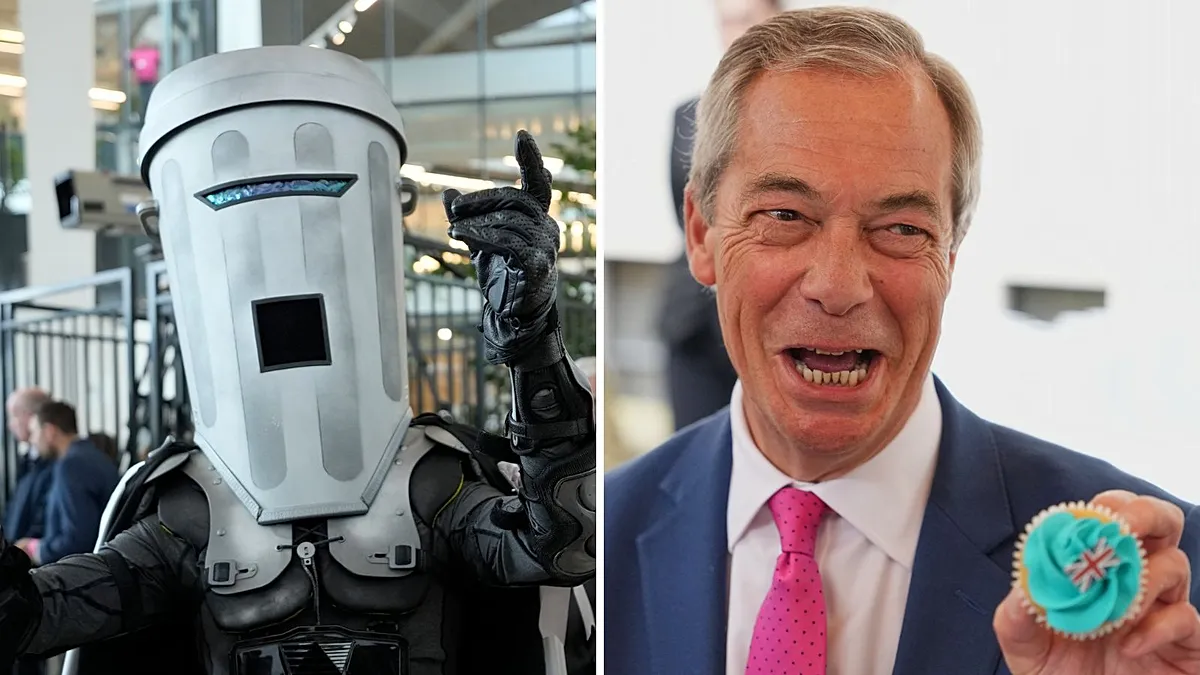
Who is Count Binface?
Poinews.com – Count Binface has emerged as a surprising figure in the UK’s political landscape, challenging Nigel Farage in the Clacton by-election. Known for his humorous persona, this alien space warrior represents a unique blend of satire and political commentary. While Farage, a prominent Eurosceptic leader, resigned as an MP to draw attention to alleged establishment conspiracies, Count Binface’s campaign offers an entertaining yet thought-provoking alternative. The question of ‘who is Count Binface’ has sparked curiosity, as his quirky policies and outlandish ideas capture the imagination of voters.
The Backstory of Count Binface
Jonathan Harvey, the real-life figure behind Count Binface, is a comedian with a history of political campaigns. Previously known as Lord Buckethead, he rebranded in 2018 after a copyright dispute, adopting the persona of an alien from the fictional planet Sigma IX. This transformation has allowed him to inject humor into the Brexit debate, which has become increasingly polarizing. The public’s fascination with ‘who is Count Binface’ stems from his ability to merge absurdity with political relevance, making him a standout candidate in an otherwise serious contest.
Farage’s decision to step down as an MP has led to an unexpected surge in his support, with Count Binface gaining traction as his opponent. The by-election, held in Clacton, has become a focal point for those questioning the political establishment. Farage’s accusations of a ‘stitch-up’ by the establishment have fueled his campaign, while Count Binface’s platform offers a fresh perspective. The contrast between these two candidates highlights the diverse approaches to political engagement, with ‘who is Count Binface’ now a topic of broader discussion beyond the immediate race.
Count Binface’s Policy Proposals
Count Binface’s campaign has introduced a range of unconventional yet catchy policy ideas. Among these are proposals to build affordable housing, cap the prices of croissants and Wigan kebabs, and nationalize Adele. The latter, a nod to the British singer’s cultural influence, adds a whimsical touch to his platform. He also promises to ‘move the hand dryer in the gents’ toilet at the Crown and Treaty pub in Uxbridge to a more sensible position,’ addressing a mundane yet relatable issue. These policies, though seemingly absurd, have resonated with voters seeking a change from traditional political rhetoric.
Harvey’s policies reflect a blend of practicality and humor, aiming to engage the public in a lighthearted yet meaningful way. His proposal to rename London Bridge after Phoebe Waller-Bridge, the playwright behind the show ‘Fleabag,’ underscores his creative approach. Additionally, his suggestion to have Thames Water executives ‘take a dip in the Thames’ highlights environmental concerns with a touch of theatricality. The success of ‘who is Count Binface’ as a viral phenomenon has been fueled by these imaginative ideas, which have captured the attention of both media and the public.
As the by-election approaches, the presence of Count Binface has added a surreal twist to the political discourse. His character, inspired by the tradition of satirical candidates like Screaming Lord Sutch and Captain Beany, brings a sense of playfulness to a debate that has often been dominated by seriousness. This shift has not only entertained voters but also prompted discussions about the role of satire in modern politics. The ‘who is Count Binface’ question continues to dominate headlines, as his campaign gains momentum and draws comparisons to historical figures in the field of political humor.