Solar railways and stork villages: Positive environmental stories from 2026
Solar railways and stork villages: Positive environmental stories from 2026 Solar railways and stork villages - In 2026, amid the pressing challenges of

Solar railways and stork villages: Positive environmental stories from 2026
Poinews.com – In 2026, amid the pressing challenges of climate change and environmental degradation, stories of innovation and resilience have emerged as beacons of hope. From groundbreaking solar-powered infrastructure to the charming coexistence of wildlife and human communities, these narratives highlight how sustainability efforts are evolving. As the focus keyword “Solar railways and stork villages” underscores, the year has seen remarkable progress in green technologies and conservation practices. Euronews Earth has been tracking these developments, showcasing how small but impactful initiatives can drive large-scale positive change. Here’s a closer look at some of the standout environmental achievements that define 2026.
Solar Railways: A New Era of Green Mobility
One of the most transformative projects of 2026 is Switzerland’s Sun-Ways initiative, which launched the world’s first fully integrated solar railway system in the Val-de-Travers region. By embedding photovoltaic panels directly into train tracks, this innovation not only powers trains but also generates surplus energy for nearby communities. The project exemplifies how infrastructure can be reimagined as a sustainable solution, reducing reliance on fossil fuels and cutting carbon emissions. This milestone aligns with the EU’s broader renewable energy push, which saw the region’s share of renewable electricity reach 45.5% in Q1 2026—up from 42.7% in the same period the previous year. Solar railways are no longer a futuristic concept; they are a practical, scalable model for decarbonizing transport.
Stork Villages: A Symbol of Natural Resilience
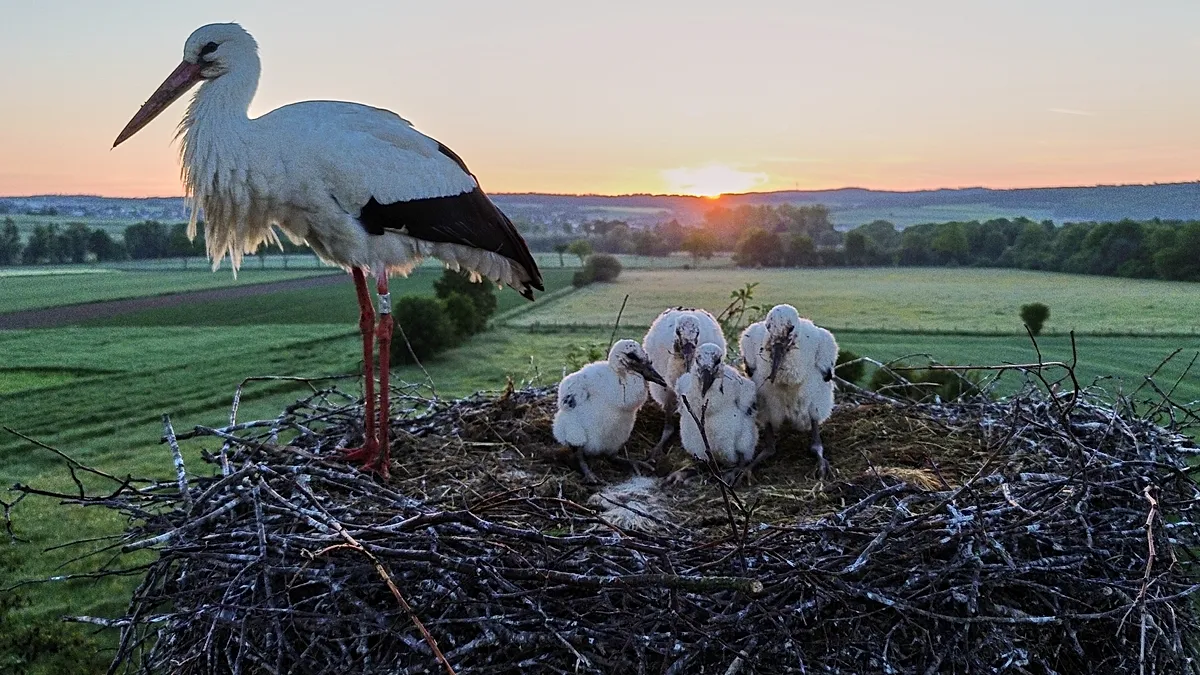
While technological advancements capture headlines, nature’s own adaptability is equally inspiring. In Croatia’s Cigoc village, white storks have established a thriving presence, nesting on traditional wooden homes and becoming a permanent fixture of the local landscape. This phenomenon has sparked discussions about biodiversity conservation and the role of urban planning in supporting wildlife habitats. The stork population has grown significantly, with their numbers often surpassing those of the human residents, a testament to the resilience of ecosystems when given the chance to flourish. Such villages serve as living examples of how coexistence with nature can enrich both the environment and human life.
Renewable Innovations and Community-Driven Solutions
2026 has also witnessed a surge in grassroots environmental initiatives that blend technology with tradition. In Spain, solar fences have gained traction as a way to secure energy independence for rural households, while bioluminescent plants developed by researchers now offer a novel method for pest detection through color-changing signals. These innovations demonstrate how small-scale, practical solutions can address pressing issues like energy scarcity and agricultural sustainability. Meanwhile, off-grid cooling systems powered by solar energy are transforming supply chains in countries like Kenya, Nigeria, and Ethiopia, reducing waste and supporting economic growth. The success of these projects underscores the importance of local ingenuity in achieving global environmental goals.
Another notable trend is the widespread adoption of heat pumps across Europe, which have become a cost-effective alternative to gas heating. According to the European Heat Pump Association, these devices now supply as much heat as LNG transported by over 200 tankers, easing energy demands during the war on Iran. The interplay between technological progress and ecological harmony is evident in 2026’s environmental successes, from solar railways to stork villages. These stories remind us that sustainability is not just about reducing harm but also about creating spaces where nature and innovation thrive together.
Policy and Culture: Shaping the Green Future
Policy shifts and cultural awareness have played a critical role in advancing these initiatives. In Milan, activists wearing animal masks during the Parliament of Living Species event drew attention to the need for wildlife-friendly urban planning, demonstrating how symbolic actions can influence real-world change. Similarly, the rise of stork villages in Croatia reflects a growing appreciation for biodiversity in everyday life. As governments and communities prioritize these efforts, the synergy between solar railways and stork villages becomes clearer: both are part of a larger movement to integrate sustainability into the fabric of society.
From the high-tech marvels of solar railways to the heartwarming presence of stork villages, 2026 has proven that environmental progress is achievable. These stories are not isolated successes but interconnected threads in a global tapestry of innovation. Whether through renewable energy advancements or conservation efforts, the year has shown that hope and action can coexist. As we continue to explore these developments, one thing remains certain: the path to a sustainable future is paved with creativity, collaboration, and a deep respect for the planet.