Video. Spain: Nine injured in fourth San Fermín bull run in Pamplona
tion with a Modern Twist Spain's San Fermín festival, a centuries-old celebration in the city of Pamplona, continues to draw international attention as it

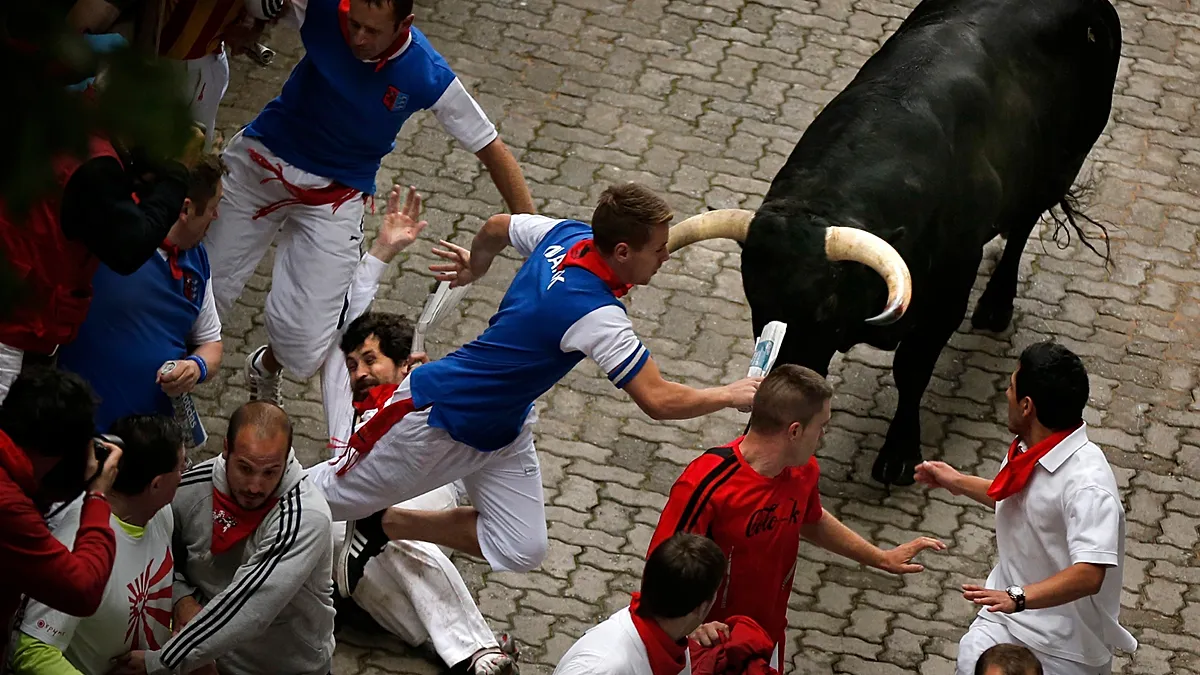
Table of Contents
Spain’s San Fermín Festival: A Historic Tradition with a Modern Twist
Poinews.com – Spain’s San Fermín festival, a centuries-old celebration in the city of Pamplona, continues to draw international attention as it blends tradition with contemporary excitement. This year’s fourth bull run, held on July 10th, was no exception, with thousands of participants flocking to the narrow, historic streets to experience the adrenaline-fueled event. The festival, which has become synonymous with Spain’s vibrant cultural identity, offers a unique blend of heritage, spectacle, and community spirit, making it a must-attend for both locals and global visitors. As the bulls thundered through the iconic route, the atmosphere buzzed with energy, capturing the essence of Spain’s love for festivals and its deep connection to the past.
The San Fermín Bull Run Experience
Every year, the San Fermín bull run, or *encierro*, is the highlight of the festival, drawing over 20,000 participants from around the world. The event, rooted in the legend of Saint Fermín, the patron saint of Pamplona, takes place on the first seven days of July. For Spain, this tradition is not just a celebration but a cultural landmark that showcases the country’s rich heritage and communal pride. The 8:00 a.m. start of the encierro sees runners—many in traditional *pañol* (white shirts and red scarves)—charge through the cobblestone streets, a spectacle that has captivated audiences for generations. The route, which snakes through the city, is designed to test both courage and agility, with sharp turns and unpredictable obstacles creating a high-stakes environment.
The morning’s chaos was not only a test of physical endurance but also a reflection of Spain’s deep-rooted tradition of celebrating bravery and unity. Before the main event, the city transformed into a hub of activity, with markets, music, and street performances setting the stage for the festival’s climax. The afternoon bullfight, a staple of the event, added to the intensity, while the evening brought fireworks and festivals that underscored Spain’s role as a global cultural hub. This year’s run, however, was marred by a significant incident that raised questions about safety and the evolving nature of the festival.
Fourth Bull Run Incident: Nine Injured in Pamplona
During the fourth bull run of the 2026 San Fermín festival, a notable accident occurred on Estafeta Street, one of the most challenging parts of the route. The incident, which took place shortly after the encierro began, saw several bulls lose their balance on a sharp turn, leading to collisions with participants. Spain’s media outlets quickly reported the event, emphasizing the dangers inherent in the tradition. Navarra University Hospital confirmed that nine individuals were injured, with five requiring hospitalization for treatment. The severity of the injuries, ranging from minor bruises to more serious lacerations, highlighted the risks associated with the fast-paced nature of the run.
Estafeta Street, known for its steep incline and narrow lanes, has been a recurring site of accidents in previous years. The combination of Spain’s iconic cobblestone roads, the bulls’ unpredictable movements, and the high volume of participants creates a unique set of challenges. Officials from the local government and festival organizers have long acknowledged the need for improved safety measures, including better crowd control and route adjustments. Despite these efforts, the 2026 incident serves as a reminder of the delicate balance between tradition and modern safety standards in Spain’s most famous festival.
The aftermath of the accident prompted a wave of reactions from participants, locals, and international media. Social media platforms were flooded with posts from attendees, some sharing their experiences of the run, while others expressed concern over the risks involved. Spain’s tourism sector, which thrives on the festival’s global appeal, faced a moment of scrutiny as the incident raised questions about the safety of one of the country’s most iconic events. Festival organizers swiftly responded, emphasizing that medical teams were on standby to handle emergencies and that the event would continue as planned. This year’s run, however, underscored the need for ongoing improvements to ensure the safety of both the bulls and the participants in Spain’s beloved tradition.
The Cultural Significance of San Fermín in Spain
As a symbol of Spain’s cultural heritage, the San Fermín festival has become more than just a series of events—it represents the country’s deep connection to history and its ability to adapt to modern times. The bull run, in particular, is a key component of the festival, attracting millions of spectators worldwide and reinforcing Spain’s reputation as a nation of passion and tradition. For locals, the event is a source of pride, while for tourists, it offers a unique opportunity to immerse themselves in the vibrant atmosphere of Pamplona. The 2026 incident, though alarming, is a testament to the enduring popularity of the festival in Spain and the lengths to which people will go to experience its legendary energy.
Spain’s cultural calendar is rich with festivals that celebrate the nation’s diverse heritage, but none are as internationally recognized as San Fermín. The festival’s blend of historical significance, folklore, and entertainment makes it a unique experience that draws visitors from every corner of the globe. While the fourth bull run in 2026 was marked by a setback, it also provided an opportunity to reflect on the evolution of the event. Over the years, Spain has introduced measures such as designated safe zones, improved signage, and enhanced medical support to mitigate risks. These efforts aim to preserve the festival’s authenticity while ensuring that it remains a safe and enjoyable experience for all participants.
As the sun set over Pamplona, the city’s streets remained alive with the spirit of celebration. The festival’s vibrant atmosphere, which is a hallmark of Spain, continued through late-night performances and gatherings that showcased the country’s cultural diversity. The 2026 San Fermín event, despite the incident, proved to be a testament to the resilience of Spain’s traditions. With its history, its challenges, and its enduring appeal, the festival remains a cornerstone of Spain’s cultural identity, drawing people from across the world to witness its iconic spectacle. The nine injuries reported during the fourth bull run are a reminder of the risks involved, but they also highlight the passion that drives Spain’s love for its festivals.