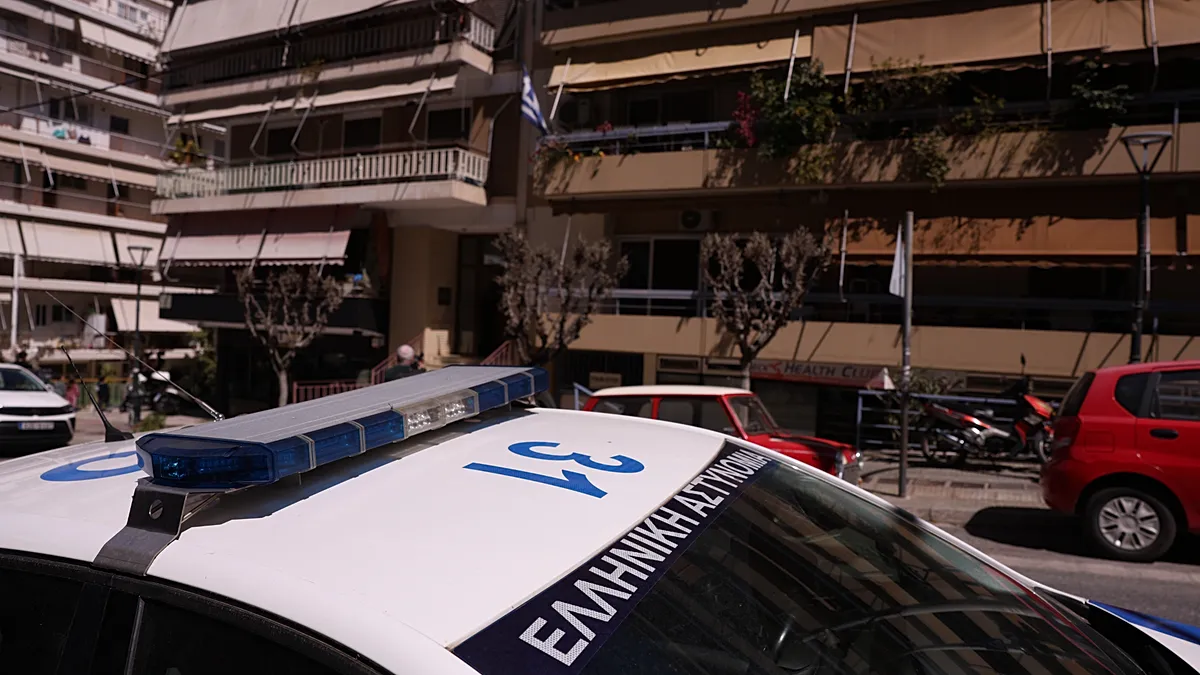
Singapore court postpones French teen’s public nuisance straw-licking case to 30 July
Singapore Court Postpones French Teen's Public Nuisance Case Singapore court postpones French teen s public - A notable legal development has emerged in

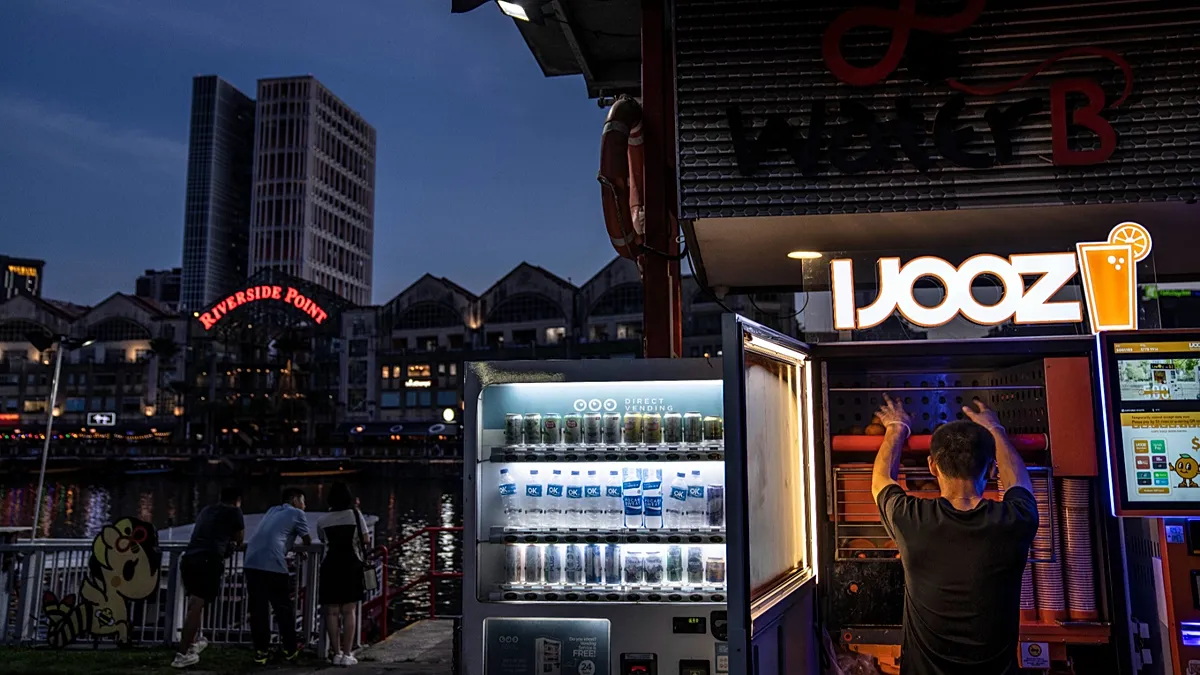
Table of Contents
Singapore Court Postpones French Teen’s Public Nuisance Case
Poinews.com – A notable legal development has emerged in Singapore as the court has postponed the case involving a French teenager, Didier Gaspard Owen Maximilien, who is accused of a public nuisance act related to straw-licking. The original trial date was moved to 30 July, following a request from prosecutors to review the implications of the charges on Maximilien’s academic and personal life. This decision highlights the intersection of local law enforcement and international public perception, as the case gained significant attention beyond Singapore’s borders.
The Incident and Legal Proceedings
The incident in question occurred on 12 March at a shopping mall in Singapore, where Maximilien allegedly filmed himself licking a straw from a vending machine and then replaced it. The video, which circulated rapidly on social media platforms, sparked debates about the boundaries of acceptable behavior in public spaces. By 24 April, authorities had charged him with mischief and public nuisance, drawing comparisons to similar cases in other countries where minor actions have been magnified by social media scrutiny.
The case has become a focal point for discussions on how public behavior is interpreted under Singapore’s strict legal framework. Known for its emphasis on cleanliness and order, the city-state has long implemented policies that penalize actions seen as disruptive to communal spaces. This incident, though seemingly trivial, underscores how social media can amplify minor infractions into broader legal controversies, particularly when involving foreign nationals. The postponement of the trial to 30 July suggests that prosecutors are seeking to ensure the case is thoroughly evaluated, especially given the international spotlight it has attracted.
The Company’s Response and Preventive Measures
“We plan to upgrade our machines with individually packaged straws and compartments that unlock only after the transaction is complete,” said IJooz, the operator of the vending machine in question. The company reported the incident to the police and took immediate steps to sanitize the dispenser, replacing all 500 straws in the machine. This response reflects the growing awareness among businesses of the need to align with local regulations and mitigate potential reputational risks.
The case has also prompted discussions about the role of vending machine operators in ensuring compliance with public nuisance laws. IJooz’s actions demonstrate a proactive approach to addressing the issue, but they also highlight the broader implications for businesses in Singapore. As the public nuisance charge hinges on the impact of an individual’s actions on the community, companies may now face increased pressure to design systems that prevent such incidents. This could lead to further changes in how public spaces are managed, particularly in areas where automated dispensers are prevalent.
Broader Context: Singapore’s Legal and Social Environment
Singapore, a compact and densely populated city-state, has long maintained stringent regulations on public behavior and cleanliness. These rules are enforced with a high degree of rigor, often resulting in swift penalties for actions deemed inappropriate. For instance, the country’s ban on chewing gum in public areas is a well-known example of how minor behaviors are subject to legal scrutiny. The straw-licking incident, while different in nature, aligns with this philosophy of maintaining order and hygiene in shared spaces.
The legal system in Singapore is known for its efficiency and strict adherence to the law. Cases like Maximilien’s, which may appear trivial to some, are often processed quickly to set precedents. However, the postponement of his trial indicates that prosecutors are considering the broader implications of the case. This includes how the conviction might affect Maximilien’s ability to pursue his studies, as well as the potential for the case to influence public opinion on similar behaviors. The focus keyword, “Singapore court postpones French teen,” is embedded in the narrative to emphasize the unique aspects of this legal matter.
As the trial approaches, the case may serve as a benchmark for future public nuisance claims. Legal experts suggest that the outcome could shape how individuals are judged for actions that, while harmless in isolation, may be perceived as disruptive in a collective context. The French teen’s situation also raises questions about cultural differences in the interpretation of public behavior, with some arguing that the act of licking a straw is a natural and harmless gesture in many parts of the world.
The case has not only captured the attention of Singapore’s legal community but also sparked international reactions. Social media discussions have ranged from humor and mockery to more serious critiques of cultural bias in legal enforcement. As the court prepares to reconvene on 30 July, the proceedings will be closely watched by both local and global observers. The focus keyword, “Singapore court postpones French teen,” remains central to understanding the case’s significance, as it encapsulates the unique blend of cultural, legal, and social factors at play.