Gunman killed after shootout with Secret Service near White House, Trump says
White House Shootout: Gunman Killed by Secret Service in High-Speed Exchange Gunman killed after shootout with Secret - On Saturday, a critical security event

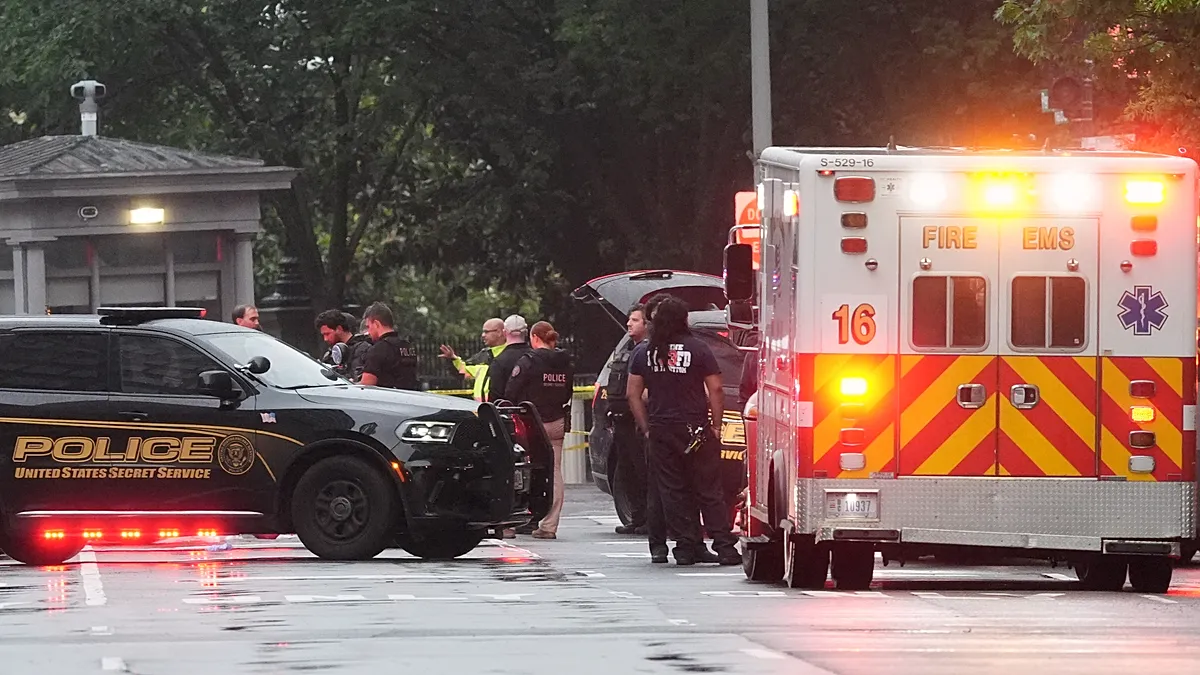
White House Shootout: Gunman Killed by Secret Service in High-Speed Exchange
Poinews.com – On Saturday, a critical security event unfolded near the White House, resulting in the fatal shooting of an individual who had opened fire on Secret Service agents. US President Donald Trump confirmed the incident in a statement, emphasizing the swift response from the agency’s personnel. The confrontation, which occurred in the vicinity of 17th Street and Pennsylvania Avenue, underscored the heightened vigilance required to protect the nation’s leadership, according to officials.
Incident Details and Immediate Response
The shooter initiated the attack shortly after 6 pm, brandishing a firearm and targeting the area surrounding the presidential residence. Anthony Guglielmi, the head of the US Secret Service’s communications, provided an official account of the event. He stated that agents were quick to respond, engaging the suspect with gunfire and neutralizing the threat before transporting him to a nearby hospital. Despite the intensity of the exchange, no law enforcement officers were reported to have sustained injuries, a testament to the effectiveness of the agency’s protocols.
“Secret Service Police returned fire striking the suspect who was transported to an area hospital where he was pronounced deceased,” Guglielmi said in a statement. The incident also saw a bystander caught in the crossfire, though the extent of their injuries remains unspecified. The presence of the shooter in such a high-profile location raised immediate concerns about the security perimeter around the White House, which is typically fortified with multiple layers of protection.
Trump’s Public Remarks and Security Context
Following the event, Trump took to his social media platform, Truth Social, to share his perspective on the incident. He highlighted the shooter’s alleged history of violence and his potential obsession with the White House, framing the attack as a direct threat to the presidency. “This goes to show how important it is, for all future Presidents, to get, what will be, the most safe and secure space of its kind ever built in Washington, D.C.,” he wrote, underscoring the need for robust security measures. The president’s remarks reflect a broader narrative about the risks faced by leaders in modern political environments.
The event adds to a list of security challenges Trump has encountered in recent months. Over the past two years, he has been the focus of several suspected assassination attempts, each drawing attention to the ongoing threat to the nation’s leaders. The April incident, in particular, involved a man who stormed the White House correspondents’ dinner armed with guns and knives. Authorities charged him with attempting to assassinate the president, highlighting the meticulous planning and execution required to target the executive branch.
While the Saturday confrontation was successful in stopping the threat, it also exposed vulnerabilities in even the most advanced security systems. The Secret Service, known for its rigorous training and rapid response capabilities, faced a high-stakes situation that tested their preparedness. The fact that the shooter was able to approach the White House undetected, despite the usual crowd control and surveillance, suggests that the attack may have been premeditated.
Public Reaction and Broader Implications
The incident sparked a wave of public discourse, with many analyzing the implications for presidential security. Some experts noted that the location of the shooting—near the White House’s main thoroughfares—indicates a deliberate choice to maximize exposure and psychological impact. The presence of a bystander in the line of fire further illustrates the chaotic nature of such events, where the safety of the public can be compromised alongside that of the president.
Trump’s response to the incident was marked by a mix of acknowledgment and reassurance. He praised the Secret Service for their “swift and professional action,” while also positioning the event as a catalyst for future improvements in presidential protection. This sentiment aligns with his long-standing emphasis on enhancing security infrastructure to deter potential threats. The White House, a symbol of American power and stability, remains a prime target for those seeking to destabilize the government.
As the investigation into the shooter’s motives and background continues, officials are expected to release more details about the incident. The Secret Service has already begun reviewing footage and witness accounts to determine how the threat was identified and neutralized. The agency’s spokesperson noted that the shooter had a documented history of violent behavior, which may have contributed to the decision to take lethal action. This information is crucial for understanding the broader pattern of threats against the presidency.
A Legacy of Security Challenges
Trump’s experience with security threats is not an isolated occurrence but part of a larger trend of escalating risks for political leaders. The April incident, where a man armed with weapons stormed a high-profile event, serves as a stark reminder of the unpredictable nature of such attacks. While the Saturday shootout was contained without casualties among the Secret Service team, it reinforces the need for constant vigilance and adaptability in security strategies.
Analysts have pointed to the role of social media in amplifying political tensions, potentially influencing the mindset of individuals who may consider violent acts against public figures. The shooter’s access to the White House area, despite the usual security measures, raises questions about the effectiveness of current protocols and the potential for future incidents. As the Secret Service refines its approach, the incident will likely serve as a case study in the balance between proactive security and the unpredictability of human behavior.
The White House, a historic and iconic location, continues to be a focal point for both admiration and apprehension. The recent shootout, while brief, highlights the critical importance of maintaining a secure environment for the nation’s leaders. As the investigation progresses, the details of the shooter’s actions and intentions will provide valuable insights into the challenges faced by security teams in protecting the presidency. The incident also serves as a reminder of the enduring need for vigilance in the face of evolving threats to American leadership.