Euronews explains: can Hungary’s PM Magyar really remove president Sulyok from office?
Euronews Explains: Can Hungary's PM Remove President Sulyok from Office? Euronews explains : In a dramatic political shift, Hungary's Prime Minister Péter

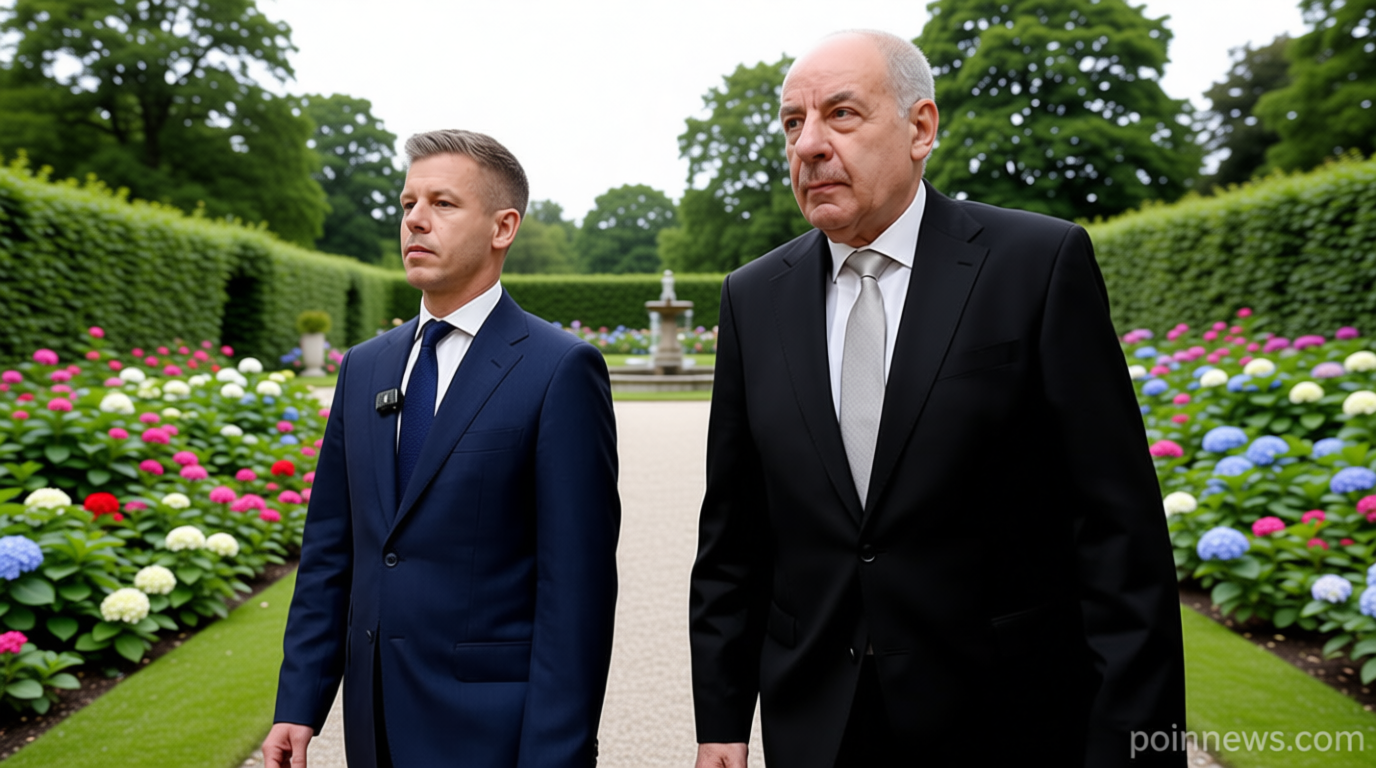
Euronews Explains: Can Hungary’s PM Remove President Sulyok from Office?
Poinews.com – Euronews explains: In a dramatic political shift, Hungary’s Prime Minister Péter Magyar has pushed forward with a constitutional amendment to oust President Tamás Sulyok, a move seen as a direct challenge to the separation of powers. The amendment, which passed in parliament on Monday, aims to remove Sulyok from office by citing his failure to uphold constitutional duties, a claim Magyar has repeatedly emphasized. This development has sparked intense debate about the implications for Hungary’s democracy and the legal framework governing presidential authority. With the focus keyword naturally integrated in the opening, the article sets the stage for a detailed analysis of the situation.
The Constitutional Battle Intensifies
Magyar’s Tisza Party argues that Sulyok, appointed by the previous government, has become a symbol of continued influence from Viktor Orbán’s Fidesz. According to the party, the president’s refusal to endorse the amendment signals a threat to the reforms Magyar seeks to implement. However, critics, including legal scholars and opposition leaders, warn that the process lacks clear justification. The amendment requires a two-thirds majority in parliament, which Magyar’s party achieved, but some question whether this aligns with the constitution’s original intent. Euronews explains that the amendment is framed as a necessary step to secure political stability, though its long-term effects remain uncertain.
“Sulyok has become a political liability, and removing him is the only way to restore public trust in the rule of law,” Magyar stated in a recent speech. His rhetoric has galvanized support among voters who believe the president has not adequately defended constitutional principles during the election campaign.
Legal Experts Highlight Ambiguities in the Process
Tamás Lattmann, a constitutional law professor, pointed out that the amendment hinges on a narrow interpretation of Sulyok’s responsibilities. He explained that while the president has the authority to veto legislation, this does not equate to a constitutional violation unless the law explicitly allows for removal. “The process is legally sound, but its fairness depends on the context of Sulyok’s actions,” Lattmann said. Euronews explains that the amendment’s passage is a test of Hungary’s judicial independence, as the Constitutional Court could intervene to assess its validity.
“If the president is removed without cause, it could set a precedent for future executive actions. The key is whether the amendment aligns with the spirit of the constitution, not just its letter,” Lattmann added, underscoring the tension between legal formality and political intent.
President Sulyok’s Defense and Political Fallout
Sulyok, who has consistently criticized Magyar’s government, maintains that the amendment is an overreach. In a public address last Sunday, he argued that the legislature’s authority to remove a president should be contingent on evidence of misconduct, not ideological alignment. “Hungary has the right to resist when its democratic principles are at stake,” he said. Euronews explains that his defense has drawn mixed reactions, with some supporters viewing him as a guardian of the constitution and others dismissing his stance as obstructionist.
Public Opinion and Electoral Promises
Magyar’s Tisza Party claims that the amendment reflects the will of the electorate, citing a May poll by the 21 Research Centre that showed 67% of voters support his actions. The party frames Sulyok’s resistance as a sign of his inability to adapt to changing political realities. However, Fidesz, the opposition party, has organized mass demonstrations, arguing that the move undermines Hungary’s democratic institutions. Euronews explains that the dispute has become a flashpoint in the broader struggle between reformist and conservative factions within the country.
“The people have spoken, and Magyar is acting on their behalf to ensure a new era of governance,” a Tisza Party spokesperson said, contrasting with Fidesz’s claim that the amendment is a power grab.
Next Steps and Potential Outcomes
With the amendment now approved, Sulyok has five days to sign it or face immediate impeachment. If he rejects it, the parliament will proceed to remove him, a process that could trigger legal challenges. Euronews explains that the outcome will depend on the Constitutional Court’s interpretation of the president’s role and the evidence presented against him. While the amendment is a significant step, its success is not guaranteed, and the political landscape may shift dramatically in the coming weeks.
“The court’s decision will determine whether this move is a legitimate exercise of parliamentary power or an unconstitutional power play,” a legal analyst noted, highlighting the pivotal role of judicial review in the process.
As the situation unfolds, the balance of power between Hungary’s legislative and executive branches remains under scrutiny. The debate over Sulyok’s removal is not just about his tenure but about the future direction of the nation’s political system. Euronews explains that this moment will shape the country’s governance for years to come, with implications for its democratic institutions and the rule of law.