György Kemény retrospective: The father of Hungarian pop art forever young at 90
György Kemény Retrospective: A Legacy of Hungarian Pop Art at 90 György Kemény retrospective - At 90, the visionary artist György Kemény continues to

György Kemény Retrospective: A Legacy of Hungarian Pop Art at 90
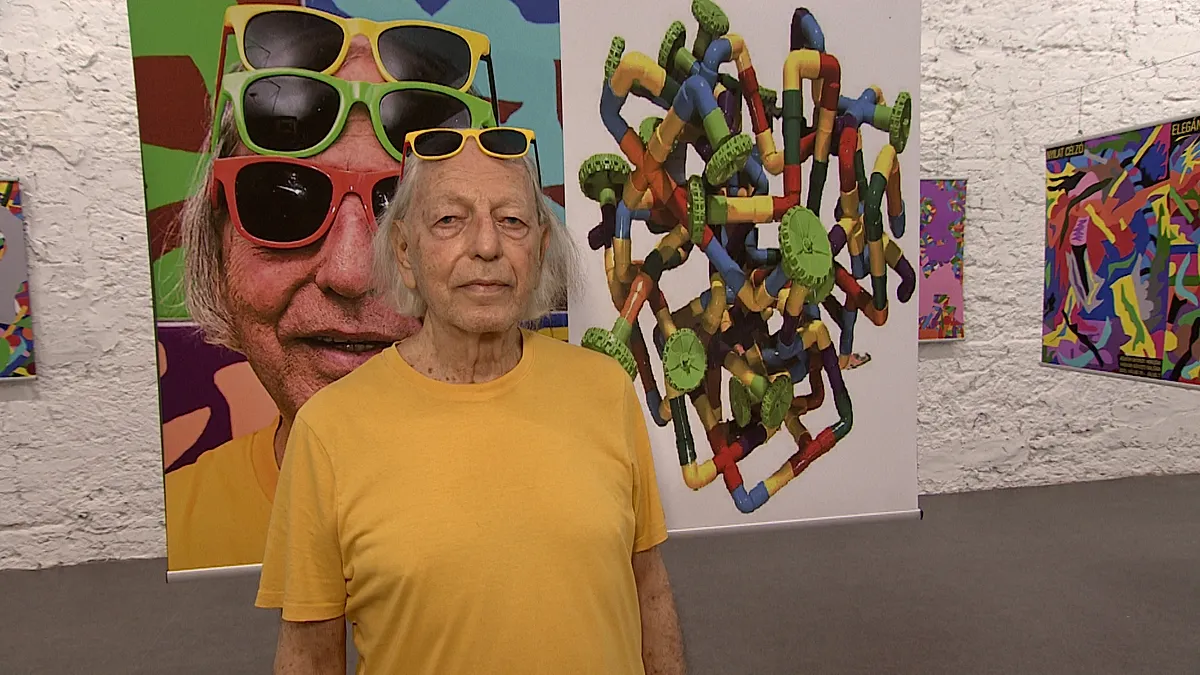
Poinews.com – At 90, the visionary artist György Kemény continues to captivate audiences through his iconic works, which are now the centerpiece of a major retrospective in Budapest. This exhibition, hosted at the New Gallery of Budapest City Hall, celebrates Kemény’s pioneering role in Hungarian pop art and highlights his enduring influence on the city’s visual culture. The display features a curated selection of his most celebrated pieces, offering a unique opportunity to explore the evolution of his style and its lasting impact on contemporary art.
Foundations of a Pop Art Pioneer
György Kemény’s journey into pop art began in the mid-20th century, when he redefined the boundaries of traditional Hungarian art by embracing bold, graphic aesthetics. His early works, often rooted in the everyday, showcased a fascination with urban life, consumer culture, and the simplicity of human emotions. The György Kemény retrospective delves into these formative years, revealing how his creative philosophy emerged from a desire to make art accessible and relatable. His unique ability to blend humor with sophistication set him apart, making him a beloved figure in both artistic and public circles.
One of the standout features of the exhibition is the inclusion of his seminal series, *Budapest 24 Hours*, which captures the city’s essence through vivid, often whimsical depictions of its landmarks and daily scenes. This piece, among others, exemplifies Kemény’s knack for transforming mundane imagery into something universally engaging. The retrospective also emphasizes his collaborative spirit, particularly through his partnership with the Budapest Festival Orchestra, where his designs helped shape the visual identity of one of Hungary’s most prestigious cultural institutions.
Technological Innovation and Artistic Evolution
As the György Kemény retrospective unfolds, it becomes clear that Kemény’s adaptability to new mediums was a hallmark of his career. In the 2000s, he embraced digital technology, creating works that bridged the gap between analog and digital art. This shift not only reflected his curiosity but also his commitment to staying relevant in an ever-changing artistic landscape. His later experiments with felt-tip and chalk drawings further underscore his versatility, proving that his creative vision remained as dynamic as ever.
Another highlight of the exhibition is the secco mural he painted in Ferenc Kőszeg’s maid’s room, a piece that has become a symbol of Hungarian pop art. The mural’s playful use of color and composition invites viewers to see the familiar in a new light, a concept Kemény championed throughout his career. His ability to infuse everyday settings with artistic significance has inspired countless creators, cementing his reputation as the father of Hungarian pop art. The retrospective also includes rare archival materials, such as personal letters and sketchbooks, providing insight into the mind of this enduring innovator.
International recognition for Kemény’s work has grown steadily over the years, with institutions like the Walker Art Center in Minneapolis and the Ludwig Museum showcasing his pieces. His artistic philosophy, as described by art historian Dávid Fehér, centers on “directness, openness, informality, humour and playfulness,” traits that are evident in every exhibit. The György Kemény retrospective not only honors his past contributions but also explores how his legacy continues to shape the future of Hungarian art.
Kemény’s influence extends beyond his own creations, as he mentored emerging artists and participated in cultural events that defined the 1990s. His work with the Budapest Art Expos, for instance, helped elevate the profile of local talent on a global stage. The exhibition’s focus on these collaborative efforts underscores his role as a cultural ambassador, bridging the gap between tradition and modernity. By highlighting his role in shaping visual identity, the György Kemény retrospective offers a multifaceted view of an artist who remained deeply connected to his roots.
Visitors to the exhibition will have the chance to engage with Kemény’s art in a way that reflects his own approach—informal, yet profound. The display includes interactive elements that allow audiences to explore the techniques behind his pieces, such as the layered collages that became a hallmark of his style. His work, though rooted in pop art, often transcends its era, speaking to universal themes of joy, nostalgia, and identity. The György Kemény retrospective is a testament to his ability to keep his art alive and relevant, even as he approaches his 90th birthday.