Wildfires: how to protect your lungs from harmful smoke
d the Threat of Poor Air Quality Smoke's Reach Beyond Fire Zones Wildfires - Across Europe, over 1,083 wildfires have been recorded this year, releasing more

Wildfires and the Threat of Poor Air Quality
Smoke’s Reach Beyond Fire Zones
Poinews.com – Across Europe, over 1,083 wildfires have been recorded this year, releasing more than 7.01 million tonnes of carbon dioxide. This summer has seen outbreaks in France, Germany, Greece, Spain, and Portugal, with many western and central European nations currently facing severe fire risk conditions, as noted by the Fire Danger Forecast. However, the impact of these blazes extends far beyond their immediate locations.
Smoke from wildfires can travel hundreds of kilometers, infiltrating neighboring cities and regions. This phenomenon means that even areas not directly affected by flames may experience degraded air quality. Understanding how to mitigate exposure is critical for safeguarding health during such events.
The Health Risks of Wildfire Smoke
Wildfire smoke is a complex mix of harmful pollutants, including fine particulate matter (PM2.5), nitrogen dioxide (NO2), ozone, aromatic hydrocarbons, and lead. When structures burn, they also emit toxic substances from materials like electronics, furniture, plastics, and paints. These chemicals pose significant risks to respiratory and overall health.
“Once inhaled, these particles trigger inflammation and oxidative stress, entering the bloodstream and affecting multiple organ systems,” explained Colleen Reid, a researcher at the University of Colorado Boulder, in an article for The Conversation.
Monitoring and Mitigation Strategies
While visible smoke or strong odors may signal poor air quality, pollution can still be harmful even when unseen. The European Environment Agency provides real-time regional updates, and the Copernicus Earth Observation Programme offers daily forecasts for pollutants, pollen, and aerosol levels. Many smartphones now integrate this data into their weather applications.
Joseph Allen, director of Harvard University’s Healthy Buildings Program, emphasized that purchasing an indoor air quality monitor is the most effective way to track conditions. “Low-cost monitors are now widely available online,” he stated in an interview with the Associated Press.
To reduce exposure indoors, close windows and use air conditioners set to recirculate air. Cover gaps like under doors with blankets or towels to block outdoor airflow. Replacing standard filters with MERV 13-rated ones can further improve air quality, though proper installation is key.
Protective Measures for Outdoor Exposure
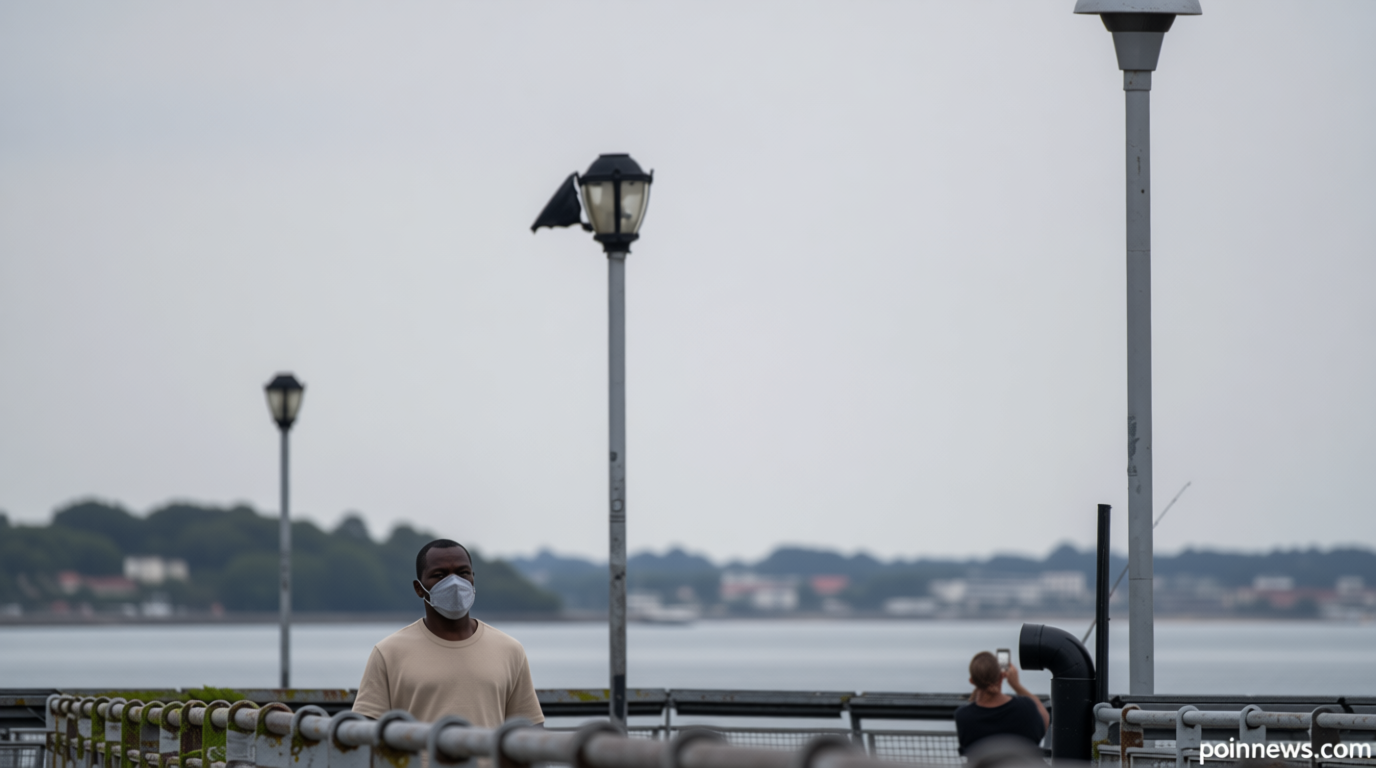
If venturing outside, wearing a well-fitted N95, KN95, or KF94 mask—popularized during the coronavirus pandemic—can filter out a large portion of pollutants. Jennifer Stowell, a research scientist at Boston University’s Center for Climate and Health, noted that “N95 masks remove 90-95% of airborne particles,” making them a reliable option.
“For optimal protection, choose a mask with a respirator-type design,” she added to the Associated Press.
Staying indoors during high pollution periods remains the best defense. Combining these steps with access to air purifiers, even small ones for specific rooms, enhances efforts to minimize health risks from wildfire smoke.