Sweet, sweet Spanish victory
Sweet Sweet Spanish Victory: A Historic World Cup Triumph Sweet sweet Spanish victory - The phrase “sweet, sweet Spanish victory” has become synonymous with a

Sweet Sweet Spanish Victory: A Historic World Cup Triumph
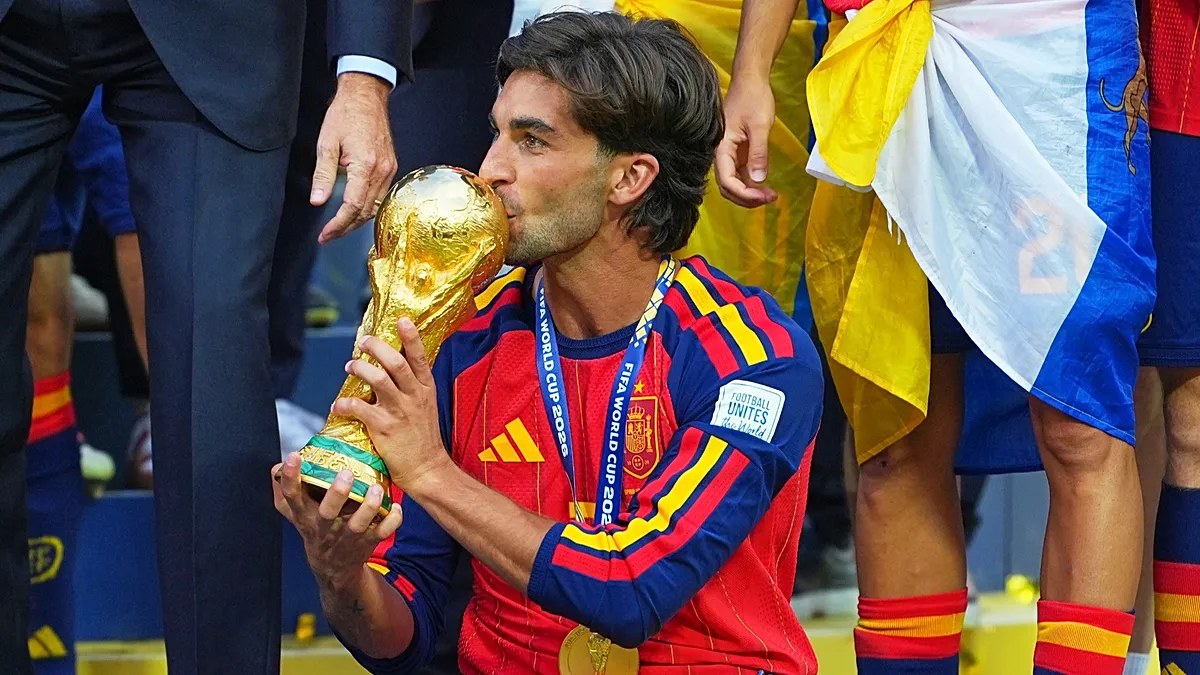
Poinews.com – The phrase “sweet, sweet Spanish victory” has become synonymous with a defining moment in international football history, as Spain clinched their second FIFA World Cup title in a record-breaking tournament that spanned nearly six weeks and three countries. The final showdown, held in a dramatic extra-time finish, saw forward Ferran Torres score the decisive goal, ending Argentina’s reign as world champions and etching Spain’s name into the annals of the sport. This triumph, celebrated with unbridled national pride, marked not just a sporting achievement but a moment of unity and triumph for a country that had long dreamed of such glory. The focus keyword “sweet sweet Spanish victory” encapsulates the emotional weight of this win, which resonated across the globe.
A Triumph That Transcended the Pitch
Spain’s victory was more than a goal—it was a culmination of years of strategic preparation, resilience, and a team’s unwavering commitment to excellence. The journey to the final was filled with high-stakes moments, including comebacks against formidable opponents and a standout performance by the squad’s young talents. As the final whistle blew, the nation erupted in joy, with fans gathering in streets and squares to express their collective elation. The phrase “sweet, sweet Spanish victory” was repeatedly echoed in media outlets, capturing the essence of a hard-fought win that symbolized a new era for Spanish football.
Coach Luis de la Fuente, at 65 years old, became the oldest man to lead a team to a World Cup title, a milestone that added layers of significance to the triumph. His tactical brilliance and leadership were instrumental in guiding Spain through a tournament that saw unprecedented levels of competition. The match itself was a masterclass in patience and precision, with Spain’s defense holding firm against Argentina’s relentless attacks. The goal by Torres, scored in the 109th minute, was a testament to the team’s ability to capitalize on moments of brilliance, a quality that defined their path to the top.
Global Impact and Political Symbolism
The World Cup, which brought together nations from every corner of the globe, also became a stage for political narratives. While the focus was on the game, the tournament’s impact extended into diplomatic discussions and international relations. Spain’s success coincided with significant political developments, including the strengthening of transatlantic ties. The presence of Spanish Prime Minister Pedro Sánchez in the VIP section alongside U.S. President Donald Trump during the final underscored this partnership, with both leaders emphasizing the importance of cooperation in global affairs.
Meanwhile, the event highlighted how off-field politics can influence the sports world. Trump’s push to overturn a red-card suspension for Folarin Balogu, a key player for Spain, and Jeremy Doku’s absence due to attending his son’s birth were not just personal decisions but also topics of national debate. These moments, though brief, illustrated the intricate relationship between sport and politics, adding depth to the tournament’s legacy. For Spain, the victory was a reminder of how much the nation’s identity is intertwined with its sporting achievements.
Transatlantic Collaboration and Digital Frontiers
As Spain celebrated their historic win, the EU’s justice commissioner, Michael McGrath, was preparing to visit Washington, D.C., signaling a new chapter in EU-US relations. The trip, focused on the Digital Fairness Act, aimed to address concerns about data privacy and online safety for minors. McGrath’s remarks emphasized the growing interdependence between Europe and the United States, particularly in the digital economy. The phrase “sweet, sweet Spanish victory” serves as a metaphor for the kind of collaborative successes that can emerge when nations work together to achieve common goals.
This visit coincided with a broader trend of transatlantic alignment, as Spain and the U.S. sought to strengthen their partnership on issues ranging from trade to defense. The digital initiative, in particular, was seen as a way to ensure fair competition in the global tech landscape, with both sides recognizing the need for robust safeguards. The success of Spain’s team, which had navigated its own challenges to reach the summit, mirrored the aspirations of these diplomatic efforts. It was a time when the world looked to both sport and policy for inspiration and progress.
A New Era for Spanish Football
The “sweet, sweet Spanish victory” has already begun to reshape the narrative around Spanish football, positioning it as a dominant force in the international arena. With this win, Spain not only secured a place in history but also demonstrated the depth of its footballing culture. The national team’s ability to adapt and thrive in high-pressure situations reflects years of investment in youth development and strategic planning. As the celebrations continued, fans and analysts alike began to envision a future where Spain remains a powerhouse, competing at the highest level for years to come.
For the players, this victory was a personal milestone, a culmination of their dedication and sacrifices. Ferran Torres, the hero of the day, became a symbol of Spain’s rising star power in football, while other key figures in the squad, such as goalkeeper Unai Simón and midfielder Koke, played critical roles in the team’s success. The phrase “sweet, sweet Spanish victory” now carries a deeper meaning, representing not only the glory of the present but also the foundation for future triumphs. As the dust settles, the focus remains on how this achievement will influence the sport’s trajectory and Spain’s global standing.