Albania’s PM posts AI video of himself in miniskirt in swipe at online influencers
Albania s PM posts AI video -


Albania’s PM Posts AI Video in Miniskirt as Jibe at Influencers
Albania’s PM Posts AI Video: A Bold Move Against Social Media Trends
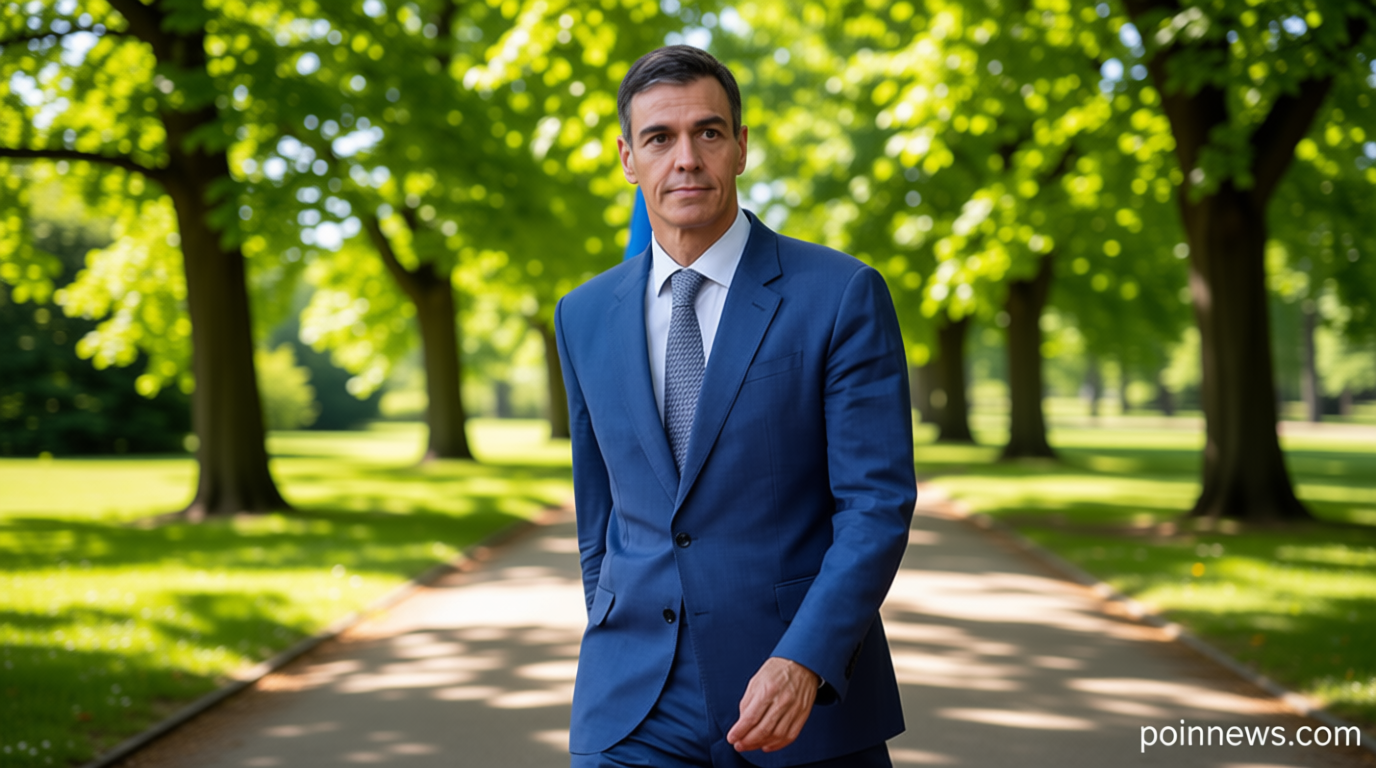
Poinews.com – Albania’s PM posts AI video – On June 9, Prime Minister Edi Rama surprised his followers by sharing an AI-generated video of himself wearing a leather miniskirt on Instagram. The clip, which features the leader in a playful, provocative pose, was accompanied by a brief caption: “Whoever made this, well done.” This unconventional gesture was seen as a subtle critique of online influencers who often dominate public discourse with flashy content. Rama’s actions followed his earlier criticism of social media personalities, particularly during a June 7 speech where he lambasted bloggers and influencers for endorsing protests against a controversial luxury project connected to Jared Kushner.
The AI video became an instant sensation, sparking a mix of reactions from the public. While some praised Rama’s boldness and humor, others questioned the message behind the post. The PM’s choice to embrace the miniskirt—a symbol of Western fashion and cultural influence—highlighted his attempt to mock the superficiality of digital fame. Analysts noted that the clip was strategically timed to counter recent protests, which had been fueled by online advocacy. Albania’s PM posts AI video not only showcased his willingness to engage with pop culture but also underscored his frustration with the influence of social media on political narratives.
Controversial Project Sparks Environmental and Political Debate
Albania’s PM posts AI video in a context of growing tensions over a luxury development project on the southern coast. The initiative, led by an investment firm with special status granted by Albanian authorities, aims to build resorts, residential areas, and a marina near the Narta Lagoon, a protected wildlife reserve. Environmentalists have raised concerns about the project’s potential to disrupt ecosystems and damage the habitat of migratory birds like the pink flamingo, which has become a symbolic figure in the protests. Rama, however, defended the project as a necessary step toward boosting tourism and advancing Albania’s European Union membership bid.
During a June 7 public address, Rama criticized influencers for their role in amplifying the protests, claiming they often prioritize aesthetics over authenticity. He argued that their support for the demonstrations was driven by personal gain rather than a genuine commitment to environmental causes. This sentiment was echoed in a memorable line: “Bloggers should challenge each other, one dressed as a flamingo and another dressed as me and see who wins.” The reference to the flamingo, a protected species, underscored his point about the disconnect between online personas and real-world impact. Albania’s PM posts AI video was a continuation of this rhetorical strategy, blending satire with political messaging.
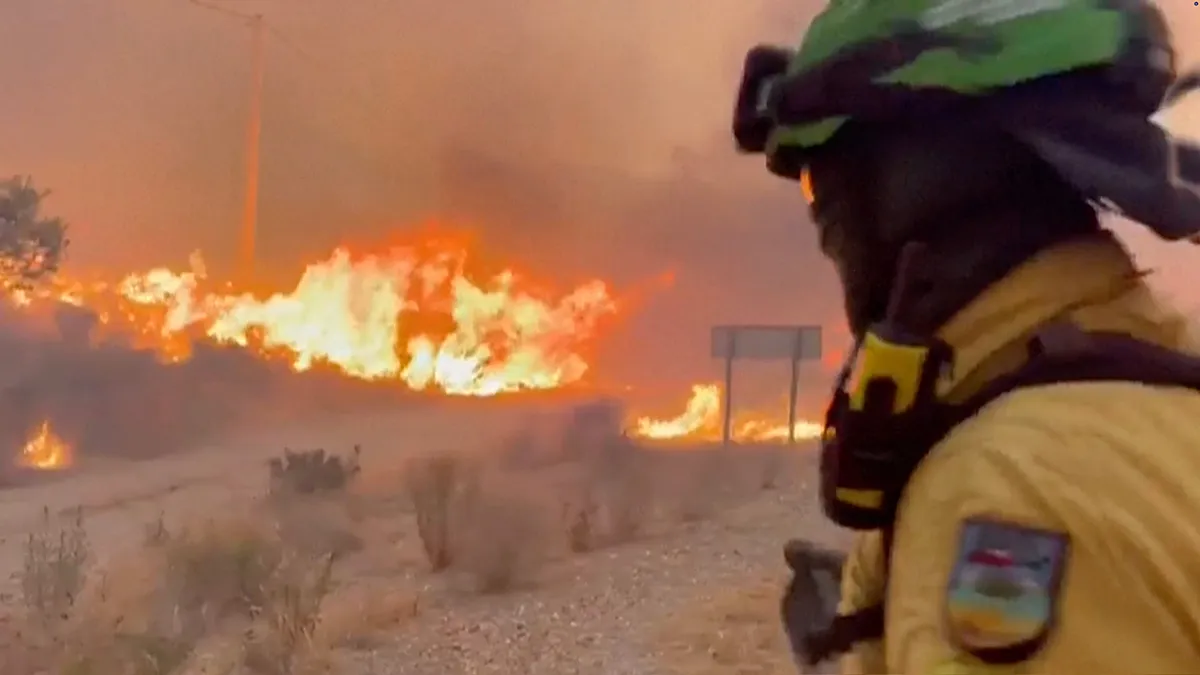
The development has also drawn criticism from local activists, who warn of irreversible damage to the region’s natural beauty. Since late May, heavy machinery has been operating in the conservation zone, altering the landscape and setting up barriers. A recent video capturing an activist being escorted by private security guards at the site further intensified public outrage. Despite these concerns, government officials insist that the project aligns with national development goals, emphasizing its economic benefits and long-term vision for Albania’s growth.
Public Reaction and the Cultural Divide
Rama’s AI video divided opinion, with some citizens supporting his humorous take on social media culture and others viewing it as an insult to environmental advocates. The post quickly trended on Albania’s PM posts AI video, with users debating whether it was a clever political move or a distraction from the project’s environmental risks. Supporters argued that the video humanized Rama, showing a side that contrasted with his usual formal demeanor. Critics, however, accused him of using the miniskirt as a metaphor for the shallow values of influencers, rather than addressing the core issues of the project.
The incident also highlighted the broader cultural divide in Albania between traditional values and modern, digitally-driven influences. Rama, a leader known for his progressive policies and EU aspirations, used the AI video to critique the nation’s shift toward online fame. By incorporating a viral element—such as the miniskirt—into his political commentary, he aimed to engage younger audiences and underscore the role of social media in shaping public opinion. The video’s rapid spread demonstrated the power of digital platforms, even as it became a symbol of the government’s resistance to their influence.
Long-Term Implications for Albania’s Political Landscape
Albania’s PM posts AI video is more than a social media stunt—it reflects a growing trend of political leaders using technology to counter digital trends. Rama’s approach aligns with a strategy of blending humor and policy, a tactic that has gained traction in a country where social media plays a pivotal role in shaping public sentiment. The video’s viral nature also showcased how quickly political messages can spread, amplifying the PM’s critique of influencers and reinforcing his message to the public.
As the development project moves forward, the debate over its environmental impact is expected to intensify. Albania’s PM posts AI video served as a reminder of the challenges leaders face in balancing economic growth with conservation efforts. While Rama’s critics argue that the project threatens biodiversity, proponents highlight its potential to attract international investment and create jobs. The AI video, though lighthearted, underscores the complex relationship between political leadership, public perception, and the influence of digital culture in shaping national priorities.