Video. Xi Jinping meets Kim Jong Un as China and North Korea tighten alliance
Xi Jinping Meets Kim Jong Un as China and North Korea Strengthen Alliance Xi Jinping meets Kim Jong Un - Chinese President Xi Jinping and North Korean leader

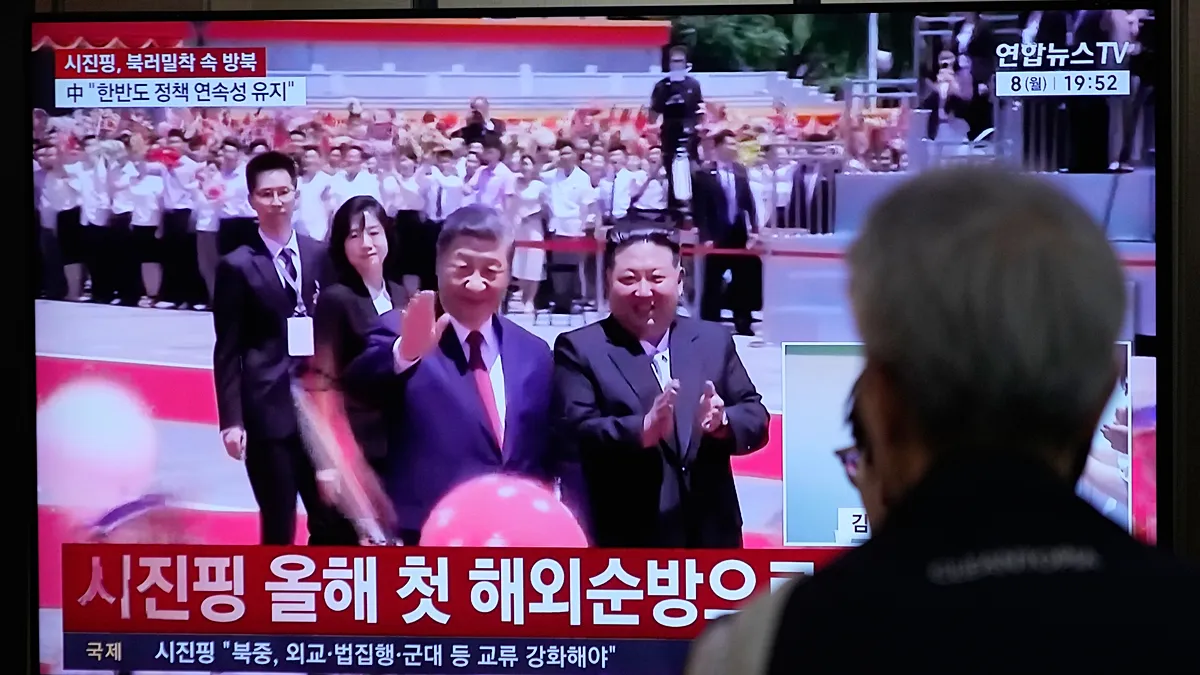
Xi Jinping Meets Kim Jong Un as China and North Korea Strengthen Alliance
Poinews.com – Chinese President Xi Jinping and North Korean leader Kim Jong Un convened for a high-profile summit that has sparked renewed interest in the evolving relationship between the two nations. The meeting, held in the heart of Pyongyang, marked a pivotal moment in deepening their alliance, which has grown stronger amid shifting global dynamics and regional security concerns. Analysts suggest this engagement underscores China’s strategic role in maintaining stability on the Korean Peninsula, while also reinforcing North Korea’s reliance on its largest neighbor for political and economic support.
Strategic Rapprochement and Political Significance
The summit followed a series of diplomatic overtures, including North Korea’s recent easing of tensions with South Korea and its commitment to denuclearization talks. While the leaders did not announce groundbreaking agreements, their close interaction highlighted a shared goal of countering external pressures, particularly from the United States. This alignment is critical for North Korea’s survival, as China continues to provide essential economic and military backing. The meeting also emphasized the importance of China’s influence in steering the region’s geopolitical landscape toward a more favorable outcome for Pyongyang.
Xi Jinping’s presence in North Korea was a clear demonstration of Beijing’s willingness to prioritize the relationship over its own domestic priorities. The two leaders reportedly discussed North Korea’s nuclear program, economic development, and its role in the broader Asia-Pacific arena. By reaffirming their commitment to cooperation, China and North Korea have signaled a unified front in the face of international scrutiny, particularly regarding North Korea’s missile tests and nuclear ambitions.
Geopolitical Implications and Regional Stability
The strengthened alliance between China and North Korea is seen as a response to the growing competition among global powers in the region. With the United States maintaining a strong military presence in South Korea and Japan, and Russia asserting its influence through energy and political ties, China’s support for North Korea has become a cornerstone of its geopolitical strategy. The meeting with Kim Jong Un is believed to have solidified China’s role as North Korea’s primary ally, ensuring that Pyongyang remains a key player in the region’s strategic calculations.
Regional analysts note that the partnership between the two nations has implications beyond the Korean Peninsula. As China seeks to counter U.S. influence in East Asia, its alignment with North Korea strengthens its position in the face of potential sanctions or diplomatic isolation. This collaboration also allows China to leverage North Korea’s resources and geopolitical leverage, further cementing its status as a dominant force in the region. The summit thus serves as a strategic move to reinforce this partnership and ensure its long-term sustainability.
Economic Collaboration and Trade Dynamics
China remains North Korea’s largest trading partner, with bilateral trade valued at approximately $5 billion annually. Despite international sanctions aimed at curbing North Korea’s nuclear program, China continues to provide critical economic support, including energy imports, infrastructure investments, and access to Chinese markets. The meeting with Kim Jong Un is expected to further strengthen these ties, with discussions likely focusing on expanding trade agreements and fostering industrial cooperation. This economic reliance underscores the depth of the relationship, as North Korea’s economy is heavily dependent on China for survival and growth.
One of the key areas of focus during the summit was the mutual benefits of the alliance. China’s support helps North Korea sustain its economy and maintain its nuclear capabilities, while North Korea’s strategic position allows China to exert influence in Northeast Asia. The leaders also emphasized the importance of cultural and people-to-people exchanges, which are believed to play a crucial role in solidifying long-term cooperation. Such initiatives could lead to increased collaboration in education, technology, and infrastructure development, further deepening the bond between the two nations.
Security Cooperation and Military Synergy
The meeting underscored the growing military collaboration between China and North Korea. Both nations have been strengthening their defense ties, with North Korea participating in joint military exercises and China offering strategic support in case of potential threats. This synergy is vital for North Korea’s security, as it allows the country to maintain its military readiness and deter external aggression. The summit also highlighted the potential for expanded defense cooperation, including shared intelligence and coordinated responses to regional challenges.
Analysts suggest that the alliance’s focus on security is a direct response to the United States’ persistent pressure on North Korea. By aligning with China, North Korea can mitigate the risk of military action or economic sanctions, while China gains a strategic partner in its efforts to stabilize the region. This dynamic reflects a broader trend of China’s increasing role in global security, as it seeks to balance its interests with those of other major powers. The summit thus serves as a testament to the evolving nature of their relationship, which is now defined by mutual strategic goals and shared regional interests.
Experts believe the summit highlights China’s commitment to maintaining its influence over Pyongyang, even as it navigates complex international relations. With North Korea’s nuclear program remaining a focal point of global concern, the alliance between the two nations is expected to continue evolving, with both leaders prioritizing stability and long-term cooperation over short-term disputes.