Video. Cuba: Powerful offshore earthquake shakes Havana, prompting office evacuation
Cuba: Offshore Earthquake Shakes Havana, Sparks Office Evacuation Cuba experienced a significant offshore earthquake on June 9, 2026, which rattled the

Cuba: Offshore Earthquake Shakes Havana, Sparks Office Evacuation
Poinews.com – Cuba experienced a significant offshore earthquake on June 9, 2026, which rattled the capital city of Havana. The tremor, recorded at a magnitude of 6.1 on the Richter scale, was centered approximately 100 kilometers off the coast of the island, causing widespread concern among residents and officials. While the quake did not result in major structural damage or injuries, the event highlighted the vulnerability of Havana’s infrastructure to seismic activity. The focus keyword, Cuba, remains central to the narrative as the country grapples with the aftermath of this unexpected natural disaster.
Seismic Activity and Immediate Reactions
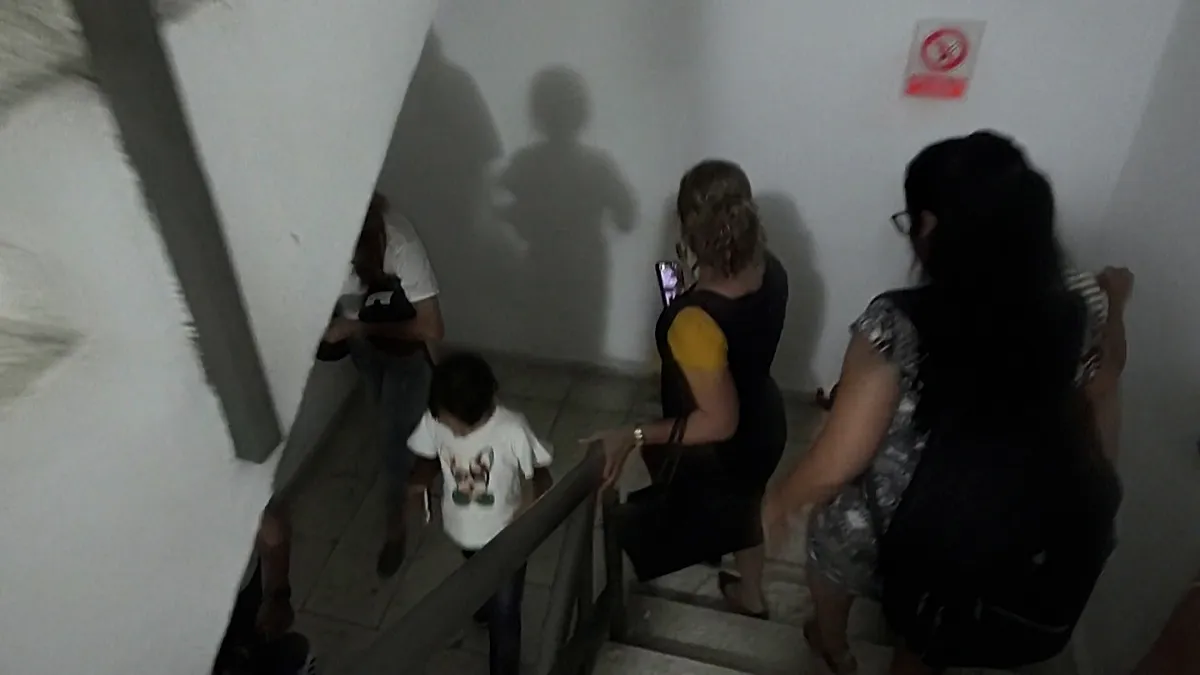
The earthquake struck in the early hours, shaking buildings across Havana and prompting a rapid response from local authorities. Emergency services were quick to act, advising citizens to evacuate office spaces and high-rise buildings as a precaution. The tremors, though brief, were described by witnesses as intense, with some reporting that furniture and objects moved within offices. This sudden disruption created a sense of urgency, leading to the orderly evacuation of hundreds of workers from key locations in the city.
“The ground felt like it was moving under us. I ran out of my office before I realized it was just an earthquake,” recounted a local business owner. This firsthand account reflects the widespread panic and the instinctive actions taken by Havana residents during the event. The experience also raised questions about the preparedness of the city’s emergency protocols, as many were caught off guard by the quake’s suddenness.
Historic Landmarks and Public Safety
Among the areas most affected was the historic Lonja del Comercio, a prominent Havana landmark known for its architectural significance. The building’s structural integrity was immediately assessed, with workers and visitors exiting through stairwells and into the streets. Officials emphasized that the evacuation was a precautionary measure rather than an emergency, but the incident underscored the need for regular inspections of historic structures in seismically active regions.
The earthquake also served as a reminder of Cuba’s geographical position in the Caribbean, a region prone to seismic events. While the country has a history of minor tremors, the 6.1 magnitude quake was notable for its intensity and location. Experts noted that the epicenter, near the coastal waters of Matanzas Province, could have been more dangerous had it struck closer to densely populated areas. This event has sparked renewed discussions about the importance of seismic risk management in urban planning across Cuba.
Residents in multiple districts of Havana temporarily left their homes and workplaces until authorities confirmed there was no imminent danger. The incident stirred memories of earlier seismic events, with some noting that earthquakes of similar strength are uncommon in the region. Emergency protocols were swiftly enacted, allowing engineers to inspect buildings for safety and provide reassurance to the public. The focus keyword, Cuba, is evident in the context of these coordinated efforts to mitigate risks and ensure community resilience.
As the city gradually returned to normalcy, officials began analyzing data to understand the quake’s impact. The event’s magnitude and depth—approximately 30 kilometers below the surface—were key factors in determining its potential for causing damage. Despite the lack of immediate casualties, the earthquake prompted a review of Cuba’s disaster response systems, particularly in Havana, which has long been a hub for economic and cultural activity. The focus keyword, Cuba, is further emphasized through its role as the epicenter of this seismic event.
The aftermath of the earthquake also led to conversations about the aging infrastructure in Havana. Many buildings, some dating back to the early 20th century, were constructed without modern seismic safeguards. This has raised concerns about their ability to withstand future tremors, especially as the city continues to grow and modernize. The event has prompted calls for increased investment in retrofitting historic structures to meet contemporary safety standards, ensuring that Cuba’s architectural heritage remains protected in the face of natural disasters.