EU targets Russia’s Patriarch Kirill in new sanctions proposal
EU Targets Russia's Patriarch Kirill in New Sanctions Proposal EU targets Russia s Patriarch Kirill - The European Union has moved closer to sanctioning

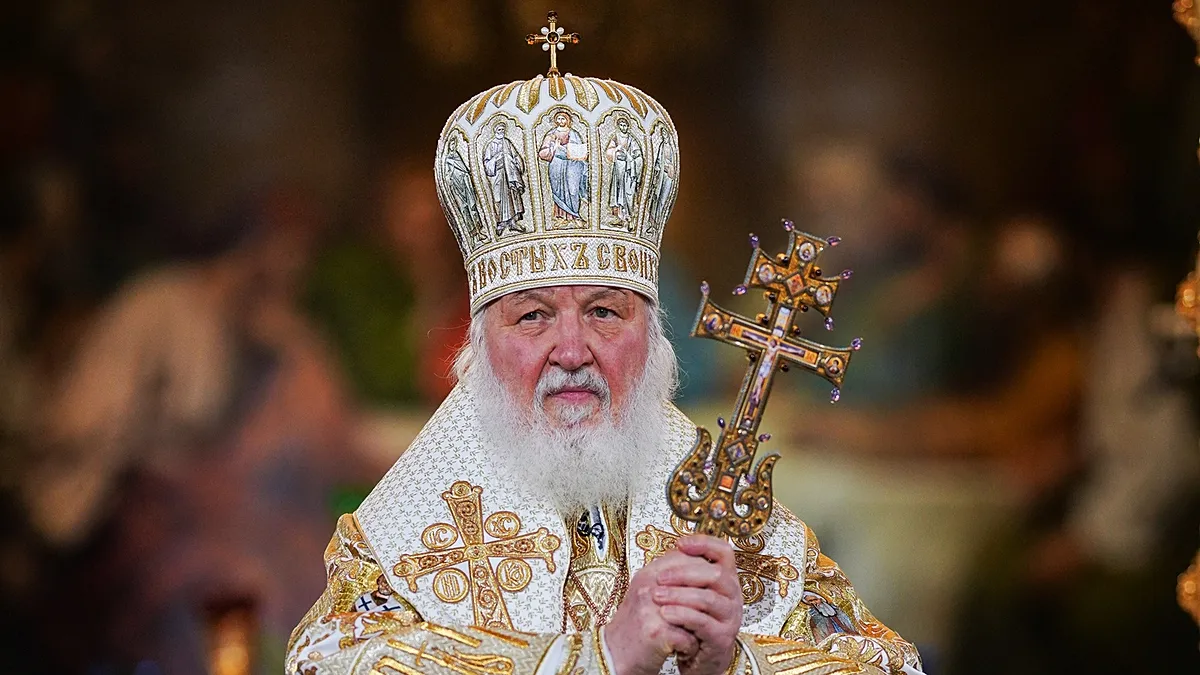
Table of Contents
EU Targets Russia’s Patriarch Kirill in New Sanctions Proposal
Poinews.com – The European Union has moved closer to sanctioning Patriarch Kirill, the spiritual head of Russia’s Orthodox Church, as part of a broader effort to address the escalating geopolitical tensions with Moscow. This development marks a significant shift in the EU’s strategy, with the focus keyword “EU targets Russia s Patriarch” now central to the latest round of measures. The updated sanctions proposal, unveiled on Tuesday, includes Kirill’s name alongside other Russian officials and entities, signaling a more aggressive stance against the country’s religious and political leadership. While the EU has traditionally prioritized economic and political targets, the inclusion of Kirill highlights the growing recognition of the role religious institutions play in shaping national narratives and justifying military actions.
The Role of Kirill in Russian Propaganda
Patriarch Kirill has been a key figure in Russia’s domestic propaganda machine, often leveraging his position to legitimize the invasion of Ukraine. His influence extends beyond the spiritual sphere, as he has actively engaged with political leaders and media outlets to promote revisionist historical accounts that frame the conflict as a divine mission. A recent report from Euronews cited documents from the Russian Orthodox Church that explicitly describe the Ukraine invasion as a “Holy War,” a term that underscores Kirill’s alignment with the Russian government’s ideological goals. This ideological backing has made Kirill a symbolic target for the EU, which seeks to isolate Moscow’s leaders both politically and culturally.
“The invasion is a Holy War,”
the document stated, emphasizing the moral authority Kirill has assigned to the conflict. His leadership has been instrumental in rallying public support for the war effort, positioning the Orthodox Church as a unifying force for Russia’s imperial ambitions. By sanctioning Kirill, the EU aims to cut off this narrative support, thereby weakening the legitimacy of Russia’s actions in the eyes of its citizens and international audiences alike.
Political Dynamics Within the EU
The decision to include Kirill in the sanctions proposal was made possible by a change in Hungary’s political landscape. Previously, Prime Minister Viktor Orbán’s government had blocked the initial attempt to sanction Kirill in 2022, citing concerns about religious freedom and the influence of the Russian Orthodox Church. However, with the new administration led by Péter Magyar now in power, Hungary has shown a more conciliatory attitude toward the EU’s efforts. This shift has allowed Brussels to proceed with the expanded sanctions package, which includes stricter measures on financial assets, travel restrictions, and potential blacklisting of key religious figures.
Despite this progress, the process remains contentious, as the EU requires unanimous agreement to finalize the 21st round of sanctions. Kirill’s prominent status within the Russian Orthodox Church has raised concerns among some member states about the potential backlash from religious communities. Nevertheless, the EU’s focus on Kirill reflects a broader strategy to target not just political leaders but also those who wield ideological power. The proposal is designed to align with the EU’s existing sanctions framework, which has already imposed restrictions on over 6,000 individuals and entities linked to Russia’s aggression.
Implications of the Sanctions for the Russian Orthodox Church
The sanctions against Kirill could have far-reaching implications for the Russian Orthodox Church’s role in both domestic and international affairs. As a unifying symbol of Russian identity and tradition, the church has often been used to bolster the Kremlin’s narrative of national sovereignty and historical continuity. By sanctioning Kirill, the EU is not only targeting a single individual but also challenging the church’s influence as a state-aligned institution. This move may encourage other religious leaders to distance themselves from the Russian government, potentially fracturing the church’s ability to serve as a political tool.
Additionally, the sanctions could impact the church’s financial stability, as it relies heavily on state funding and donations from loyal supporters. The EU’s proposal includes measures to freeze Kirill’s assets and restrict his access to international financial systems, which would deprive the church of resources that fuel its global activities. While the Orthodox Church has historically maintained a strong relationship with the Russian state, the sanctions may force it to adopt a more independent stance, especially as the Russian government faces increasing pressure from Western allies.
Brussels is also emphasizing the symbolic value of targeting Kirill, who represents the spiritual and ideological core of Russia’s war effort. By including him in the sanctions, the EU aims to send a clear message that religious leaders cannot be exempt from accountability for actions that support aggression. This approach aligns with the EU’s broader goal of ensuring that all levels of Russian society—political, economic, and religious—are held to the same standards of responsibility. The sanctions are expected to be finalized by 15 July, ensuring that the EU can maintain pressure on Moscow without allowing an automatic adjustment to the oil price cap, which would have mitigated the impact of the measures.