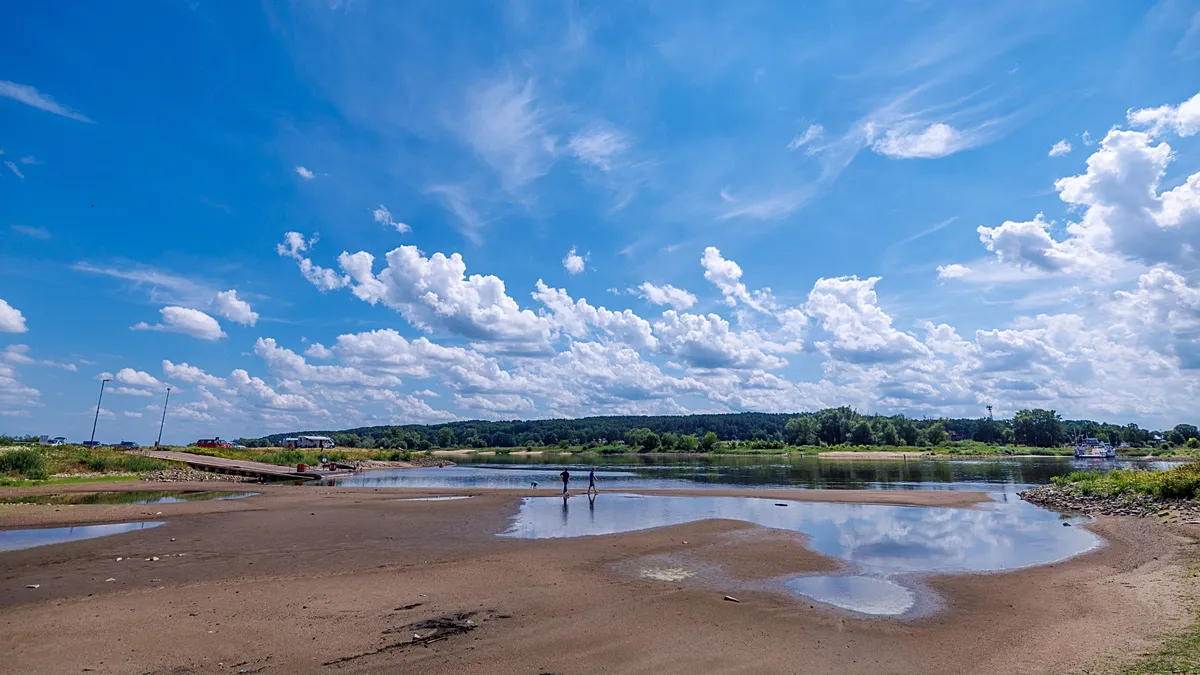
‘Scorching, dry summers’: Heat rather than lack of rain is now to blame for Europe’s droughts
Scorching dry summers are reshaping Europe's climate landscape, with rising temperatures now identified as the primary cause of widespread drought conditions

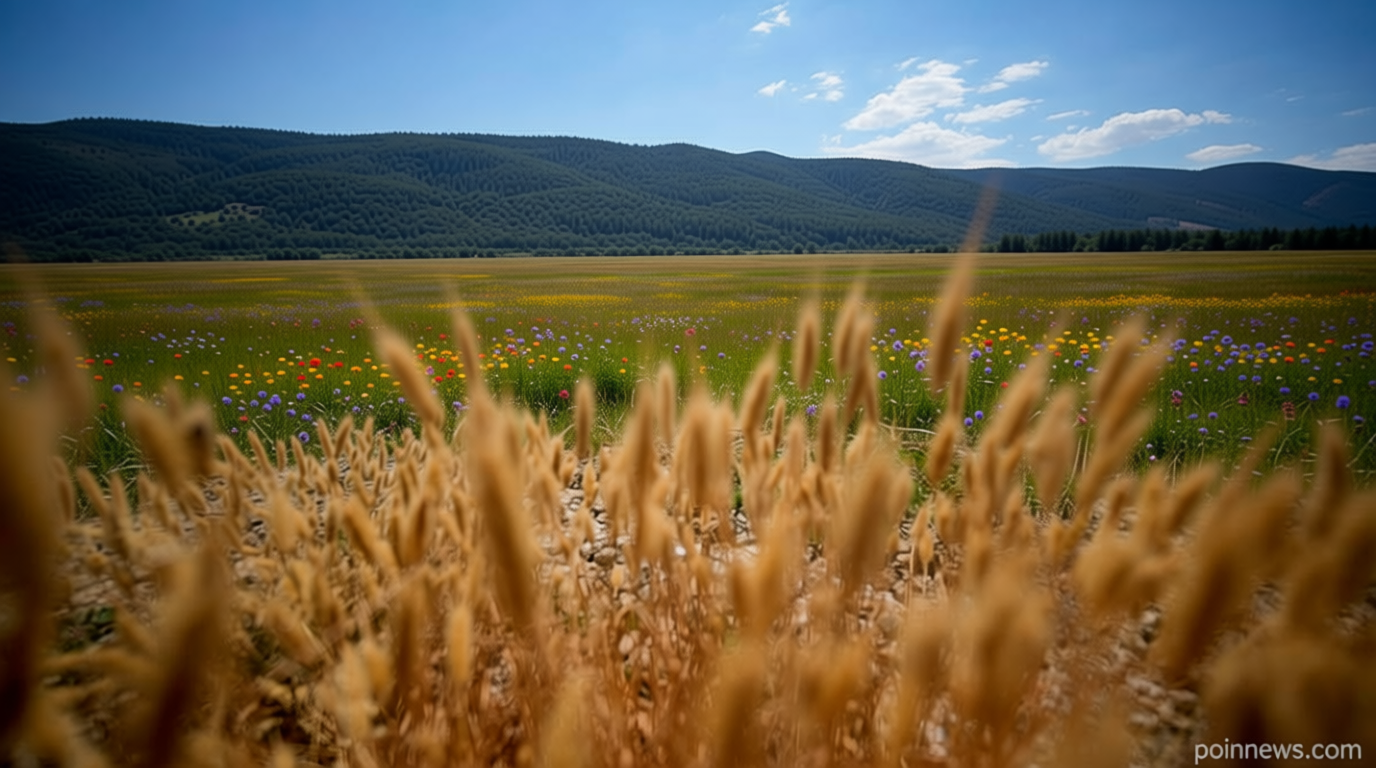
Scorching Dry Summers: Heat Blamed for Europe’s Droughts
Poinews.com – Scorching dry summers are reshaping Europe’s climate landscape, with rising temperatures now identified as the primary cause of widespread drought conditions. Across the continent, river levels have plummeted to critical lows, disrupting commercial shipping and straining energy production facilities. Agricultural sectors face unprecedented challenges, as France prepares for its worst corn harvest in fifty years while Romania reports crop losses surpassing one million hectares. New research reveals that the root cause of these dry conditions is not inadequate rainfall but rather soaring temperatures that rapidly drain soil moisture.
Heat Replaces Rainfall as Drought’s Main Culprit
An international network of climate scientists called World Weather Attribution (WWA) has concluded that unprecedented summer warmth is intensifying drought conditions throughout Europe. Their comprehensive analysis demonstrates that soil moisture is evaporating at accelerated rates compared to what would occur without human-induced climate change. Researchers from twelve European nations examined rainfall patterns, agricultural drought indicators, and potential evapotranspiration measurements to determine climate change’s role in current dry conditions.
Their findings show that while precipitation trends vary across regions, extreme heat transforms ordinary dry periods into serious drought emergencies. Western Europe now experiences agricultural soil droughts five times more frequently due to climate change, while Eastern Europe sees this likelihood increase elevenfold following six months of persistent dry weather.
“Europe’s climate is shifting fast,” says Dr Sarah Kew, a climate scientist at the Royal Netherlands Meteorological Institute (KNMI). “While rain patterns remain mixed, our findings show that extreme heat is taking over as the primary driver of drought on our continent.”
Dr Kew further explained that water supplies are evaporating from both soils and rivers more rapidly than historical patterns would suggest. This acceleration converts what previously constituted manageable dry intervals into severe drought situations, making scorching dry summers increasingly common.
Atmospheric Changes Intensify Evaporation
Research indicates that climate change has not fundamentally altered rainfall amounts in Western Europe but has instead made heatwave conditions substantially more frequent. This shift dramatically increases atmospheric demand for moisture. Previously rare heat events capable of generating intense evaporation are now approximately eighty times more probable in Western Europe compared to pre-climate-change conditions. Eastern Europe experiences similar patterns, with such heatwaves occurring forty times more frequently.
“Despite more wintertime rainfall across most of Europe, we now see an enhanced tendency for unusual soil drying already in spring, before summer has even begun,” says Dr Dominik Schumacher from the Institute for Atmospheric and Climate Science at ETH Zurich. “That is our own doing: as temperatures climb, the atmosphere’s thirst increases quickly, sucking moisture out of rivers, lakes, reservoirs and the soil.”
Dr Schumacher emphasized that this represents a fundamental transformation in European drought formation mechanisms. Rather than developing primarily through rainfall deficits, droughts now emerge increasingly from warmer air that prevents precipitation from remaining in the ground, creating conditions typical of scorching dry summers.
Broader Impacts and Future Projections
The ramifications extend well beyond agricultural communities. Crop failures, diminished river levels, and stressed energy infrastructure threaten to elevate costs for essential consumer goods, disproportionately affecting lower-income families.
“This isn’t just a crisis for farmers, it’s a crisis that trickles down to Europe’s most vulnerable,” says Merel Laauwen of Wageningen University & Research in the Netherlands. “Crop losses, low river levels, and water use restrictions threaten to drive up the price of basics like food and energy, hitting low-income households hardest.”
Laauwen noted that despite scientific projections indicating more frequent and intense droughts ahead, European Union drought management strategies remain non-mandatory, resulting in uneven preparedness levels across member states.
“What’s most alarming is that these conditions are occurring at 1.4°C of warming,” says Dr Mariam Zachariah of the Centre for Environmental Policy at Imperial College London. “If global emissions push temperatures up to 2.8°C as predicted, these”
With temperatures expected to continue rising unless greenhouse gas emissions are substantially reduced, European drought conditions could deteriorate rapidly in coming years, making the transition to managing scorching dry summers an urgent priority for the continent.