Spanish coastline in “unprecedented fragility”: areas most threatened by climate change
The Spanish coastline in unprecedented fragility is now facing a critical juncture, as a comprehensive new report reveals the compounding effects of

Spanish Coastline in Unprecedented Fragility: Climate Change Threatens Critical Coastal Zones
Poinews.com – The Spanish coastline in unprecedented fragility is now facing a critical juncture, as a comprehensive new report reveals the compounding effects of relentless urban expansion and intensifying climate impacts. Greenpeace’s latest assessment, titled “Destrucción a toda costa 2026,” paints a concerning picture of coastal deterioration across Spain’s extensive shoreline. The environmental organization has identified 194 critical points along the Spanish coast where the degradation is particularly alarming and accelerating. This alarming situation demands immediate attention from policymakers and coastal communities alike.
The study reveals that more than one hundred beaches required artificial regeneration during 2026 alone, with the total cost reaching an impressive 246 million euros. Greenpeace characterizes these interventions as “an increasingly expensive and less durable stopgap” solution that fails to address the root causes of coastal erosion. Rather than providing long-term protection, these artificial measures represent a temporary fix that grows more costly with each passing year as climate pressures intensify.
Geographic Concentration of Coastal Investment
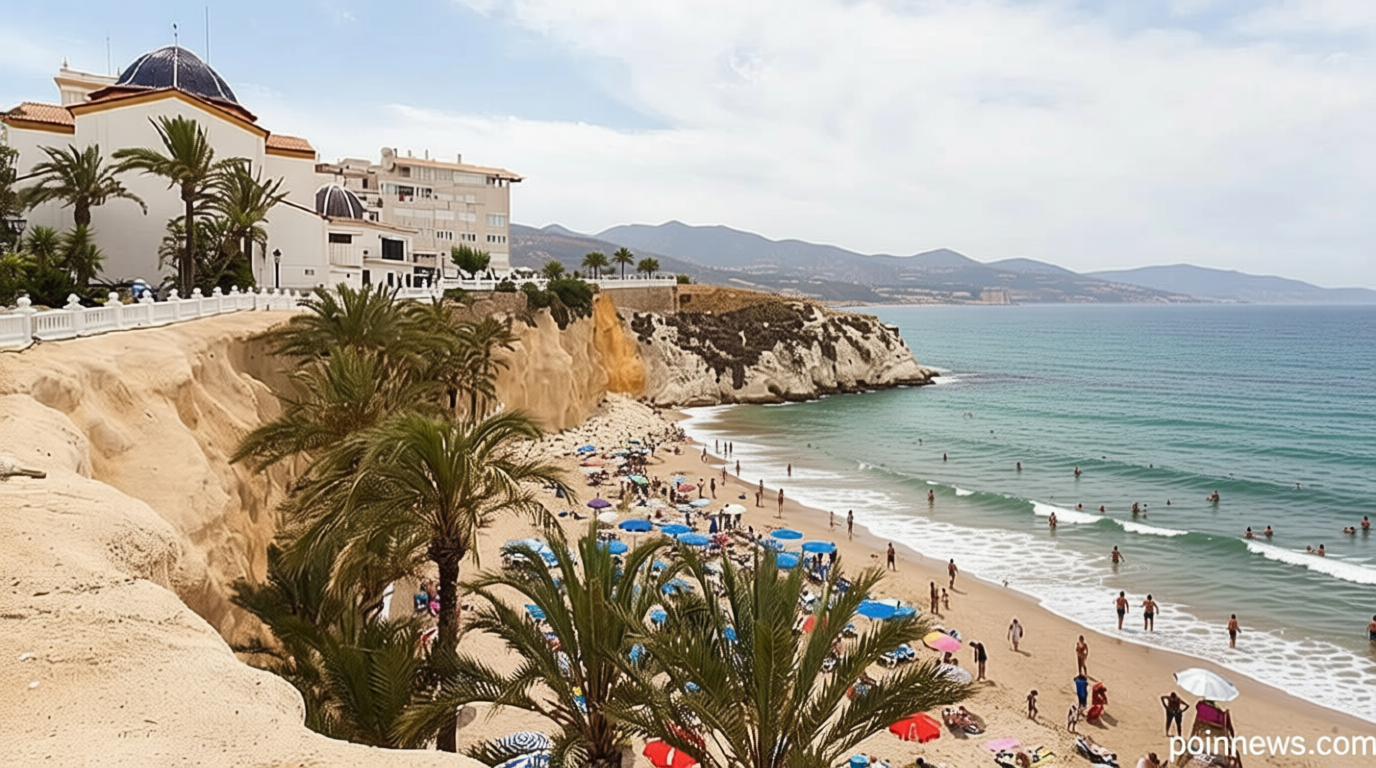
According to Greenpeace’s detailed analysis, 70% of the artificial regeneration investment was concentrated in the Valencian Community, making it the region most affected by coastal erosion. Nearly 20% of the investment went to Andalusia, highlighting the disproportionate burden placed on these two autonomous communities. The NGO emphasizes that this geographic concentration reflects both the severity of erosion in these areas and the political and economic importance of protecting these coastal zones.
The succession of eight named storms during the previous winter served as what Greenpeace calls the “final exam” for Spain’s current coastal management model. The organization concludes that this model “has failed” to adequately protect vulnerable communities and ecosystems. Real-world consequences of this failure include flooded homes in Valencia, collapsed seafront promenades in Gijón and San Sebastián, dramatic cliff collapses in Tenerife, and numerous beaches left “completely stripped” of their protective sand layers.
Most Vulnerable Coastal Areas Identified
Among the most threatened areas, Greenpeace highlights the Ebro Delta, which it describes as “the most vulnerable point on the Iberian Peninsula.” This critical wetland ecosystem faces existential threats from both sea-level rise and reduced sediment supply. The Doñana coastline also features prominently in the report, along with La Manga del Mar Menor, La Restinga de l’Albufera, Camposoto beach, and the Maspalomas coast in Gran Canaria.
Each of these areas faces unique challenges. The Ebro Delta struggles with sediment starvation as dams upstream reduce the river’s natural sediment load. La Manga del Mar Menor faces threats from both erosion and water quality degradation. Meanwhile, the Canary Islands’ coastal zones, including Maspalomas, contend with increasingly powerful Atlantic storms that accelerate beach erosion and damage coastal infrastructure.
“The Spanish coastline in unprecedented fragility requires us to rethink our approach to coastal management entirely. We cannot continue with stopgap solutions that grow more expensive while failing to address the fundamental causes of coastal deterioration.”
The report warns that the ongoing loss of beaches poses a direct threat to tourism jobs, which form the economic backbone of many coastal communities. Greenpeace calls for comprehensive coastal ecosystem restoration, the halting of new construction in flood-prone areas, and the careful planning of relocated infrastructure. The organization emphasizes that coastal management must be designed using scientific criteria and nature-based solutions rather than relying solely on artificial interventions.
Looking forward, the report advocates for a paradigm shift in how Spain manages its coastal zones. By prioritizing natural solutions such as dune restoration, wetland preservation, and sustainable urban planning, the country could build more resilient coastal communities. The Spanish coastline in unprecedented fragility represents not only a challenge but also an opportunity to transform coastal management for the benefit of both people and nature in the decades to come.