Boycotts and apologies: Argentina row over Rosalía and Patti Smith after World Cup
The musical world has found itself caught in the crossfire of post-World Cup tensions. Following Spain's triumph over Argentina in the championship match, two

Music Stars Face Backlash Following Argentina’s World Cup Defeat
A Cultural Storm After the Final
Poinews.com – The musical world has found itself caught in the crossfire of post-World Cup tensions. Following Spain’s triumph over Argentina in the championship match, two prominent artists have faced intense scrutiny and been forced to issue public apologies. Within a matter of days, Spanish singer Rosalía witnessed a tribute concert in Argentina called off while calls for concert boycotts intensified. Meanwhile, American musician Patti Smith was compelled to retract her initial reaction to the match after facing mounting criticism from Argentine fans.
The controversy emerged against a backdrop of heightened emotions. The tournament final and subsequent days witnessed fierce exchanges on social platforms, with supporters trading barbs and launching harassment campaigns directed at various public figures. Questions also arose regarding the conduct of certain Argentine players and their supporters, generating discussion well beyond South American borders.
Rosalía’s Pearl Misunderstanding
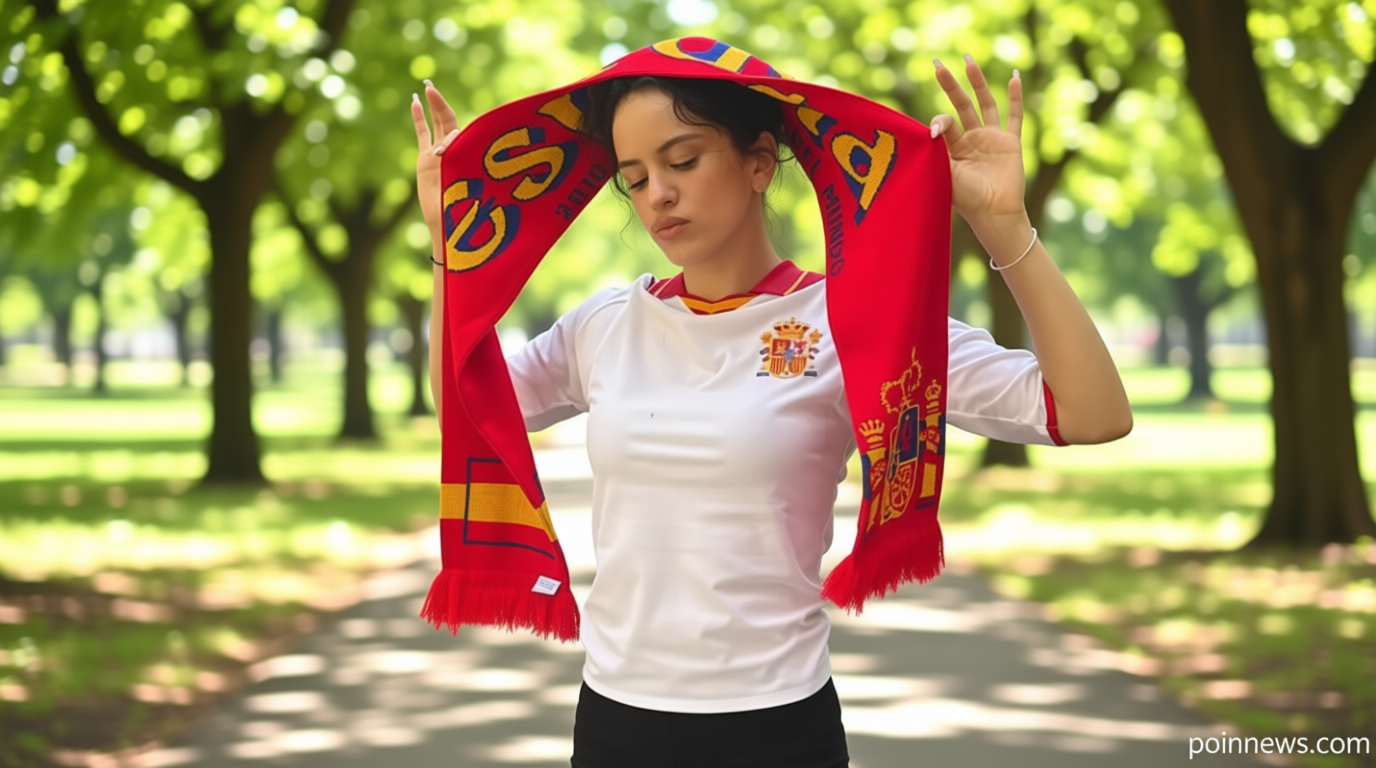
The Spanish artist’s troubles began when she reposted a TikTok video originally created by influencer Mia Khalifa, which celebrated Spain’s World Cup victory. The clip showcased “La Perla,” a track from her album “LUX,” accompanied by the text: “How life sounds now that the pearls have been defeated.”
How life sounds now that the pearls have been defeated
Argentine social media users interpreted “the pearls” as referring to the Albiceleste, Argentina’s national football team, viewing the message as mockery of their loss. The video gained rapid traction online before Rosalía removed it. Facing an overwhelming wave of negative responses, the singer issued an apology through her Instagram stories.
I hit share because ‘La Perla’ was playing and I didn’t even read what it said, my bad. Sorry.
She added another message alongside an Argentine flag, emphasizing: “I only have love x Argentina,” clarifying that no offense was intended toward the country.
The repercussions extended beyond digital platforms. Some supporters initiated efforts to resell or return tickets for Rosalía’s four upcoming Buenos Aires performances scheduled for early August. Others advocated leaving seats vacant as a symbolic gesture of protest. The most immediate impact occurred in Córdoba, where a symphonic tribute concert organized by an independent production company unrelated to the artist was cancelled.
Organizers cited “numerous messages of hate and anger” as the reason for cancellation. They emphasized that preparations had been underway for months and that the event was purely artistic in nature. In a social media statement, they acknowledged that “football is not just a sport, it is part of our identity, our history and our culture,” expressing regret that tensions forced them to cancel the event to safeguard participating musicians.
For now, Rosalía’s four official Buenos Aires concerts remain on schedule according to the promoter.
Patti Smith’s “Good Guys” Comment
Simultaneously, American singer and poet Patti Smith became entangled in the controversy following a post she made after the final. She celebrated Spain’s victory and characterized the team as “the good guys,” a description many Argentine users took as positioning their team on the wrong side of the narrative.
the good guys
Criticism escalated rapidly within hours, prompting Smith to delete her original post. She subsequently shared an image of Lionel Messi along with a new message clarifying that she never meant to diminish Argentina or its national team. Smith also highlighted her long-standing connections with the South American nation, expressed admiration for Messi, and conveyed deep regret that her words had been perceived as disrespectful toward the Argentine people.
A Broader Cultural Moment
While Rosalía and Patti Smith’s posts differed in content, both became part of a larger phenomenon shaping post-World Cup discourse. Argentina’s defeat triggered massive social media activity, where celebrations, mockery, nationalist expressions, and boycott campaigns targeting public figures who supported Spain all intertwined.
Within this charged atmosphere, posts that might otherwise have passed unnoticed acquired heightened political and emotional weight. The swift circulation of screenshots and videos ensured that messages reached audiences far beyond the artists’ typical followers. Both musicians opted to remove their posts and provide explanations, yet their apologies have not entirely resolved the ongoing discussion.