Wildfire smoke is crossing borders as climate change intensifies Europe’s blazes
Wildfire smoke is crossing borders as climate change intensifies Europe's blazes, creating a transboundary health emergency that extends far beyond the flames

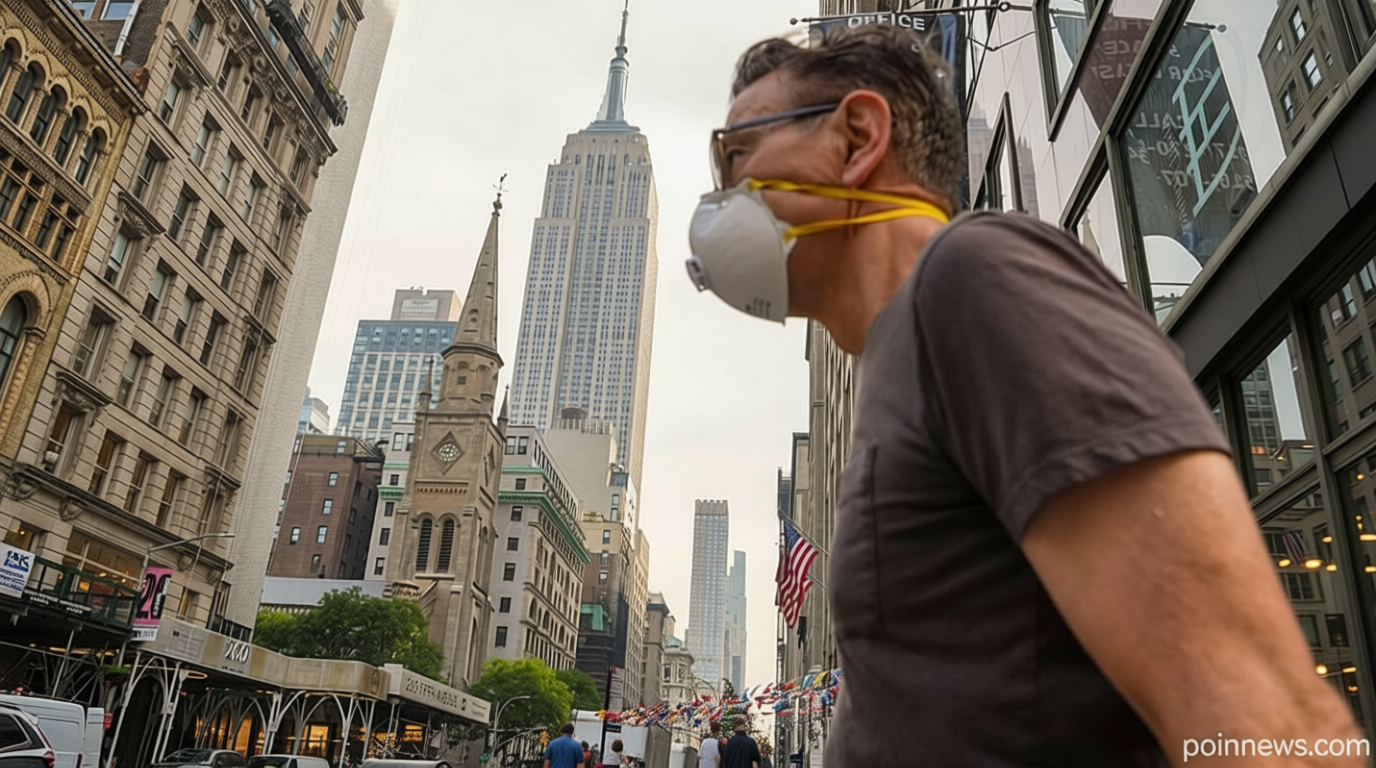
Wildfire Smoke Is Crossing Borders: A Growing Health Crisis
Poinews.com – Wildfire smoke is crossing borders as climate change intensifies Europe’s blazes, creating a transboundary health emergency that extends far beyond the flames themselves. A national emergency declared in Spain, thousands forced to flee in France, and thousands of hectares scorched in Italy: wildfires are burning more often, and more intensely, as the climate changes. And their danger does not end when the flames are put out. Smoke carries black carbon – tiny particles of partly burnt material – that can travel hundreds, even thousands, of kilometres from the fire itself, affecting populations across continents.
The Hidden Dangers of Long-Distance Smoke
"The pollution can blow quite long distances," Jane Burston, CEO of the Clean Air Fund, tells Euronews Earth. Some particles are small enough to pass through the lungs into the bloodstream, she says, triggering asthma in the short term and, over years, lung cancer, heart attacks, strokes and even dementia. Burston pointed to Canada’s record 2023 wildfire season as a stark example: an estimated 82,000 people died from the resulting toxins and pollution across Canada, the US and Europe, long after the fires themselves had stopped burning. This staggering figure demonstrates how wildfire smoke is crossing borders and impacting millions of lives far from the original blaze.
Recent research backs her concerns with compelling evidence. A study in The Lancet Planetary Health, covering 32 European countries, found that mortality linked to wildfire smoke may be underestimated by 93 per cent, because fire-related fine particles appear more harmful than pollution from other sources. Separately, US researchers reported that global wildfire emissions of health-harming gases may run around 21 per cent higher than earlier estimates suggested. These findings underscore the urgent need to understand how wildfire smoke is crossing borders and affecting public health on a global scale.
Burston says drought combined with heatwaves, both intensified by climate change, is creating the conditions for fires to spread rapidly. "We’re going to expect a longer and more intense wildfire season every year," she tells Euronews Earth. Burston describes air pollution, climate change and wildfires as a self-reinforcing loop: pollutants released alongside greenhouse gases when humans burn fossil fuels raise temperatures, fuelling more wildfires, which in turn produce more pollution. This cycle means that as temperatures rise, the frequency and intensity of wildfires will increase, further exacerbating the problem of smoke crossing borders.
"We really need to tackle other causes of air pollution as well as the wildfires," she says, adding that cutting pollution also saves money for health systems and boosts productivity. She calls for stronger early warning systems, noting that some regions in Latin America already use air quality monitors to detect fires before they are spotted visually. Governments, she says, need to pair forecasting with clear guidance on when people should stay indoors, use air purifiers, or evacuate. These proactive measures are essential as wildfire smoke is crossing borders more frequently and affecting larger populations.
Protecting Communities from Transboundary Smoke
The challenge of wildfire smoke is not just about managing fires within national boundaries, but understanding how smoke travels across continents. As climate change continues to intensify, communities must prepare for smoke events that originate thousands of kilometres away. This requires international cooperation, improved monitoring systems, and public education about the health risks associated with long-distance smoke transport. By addressing both local and global factors, we can better protect populations from the growing threat of wildfire smoke crossing borders.