Third tanker hit in Strait of Hormuz in 24 hours, maritime agency says
Concern Third tanker hit in Strait of Hormuz - A third tanker was reported to have been struck in the Strait of Hormuz within a single day, according to the

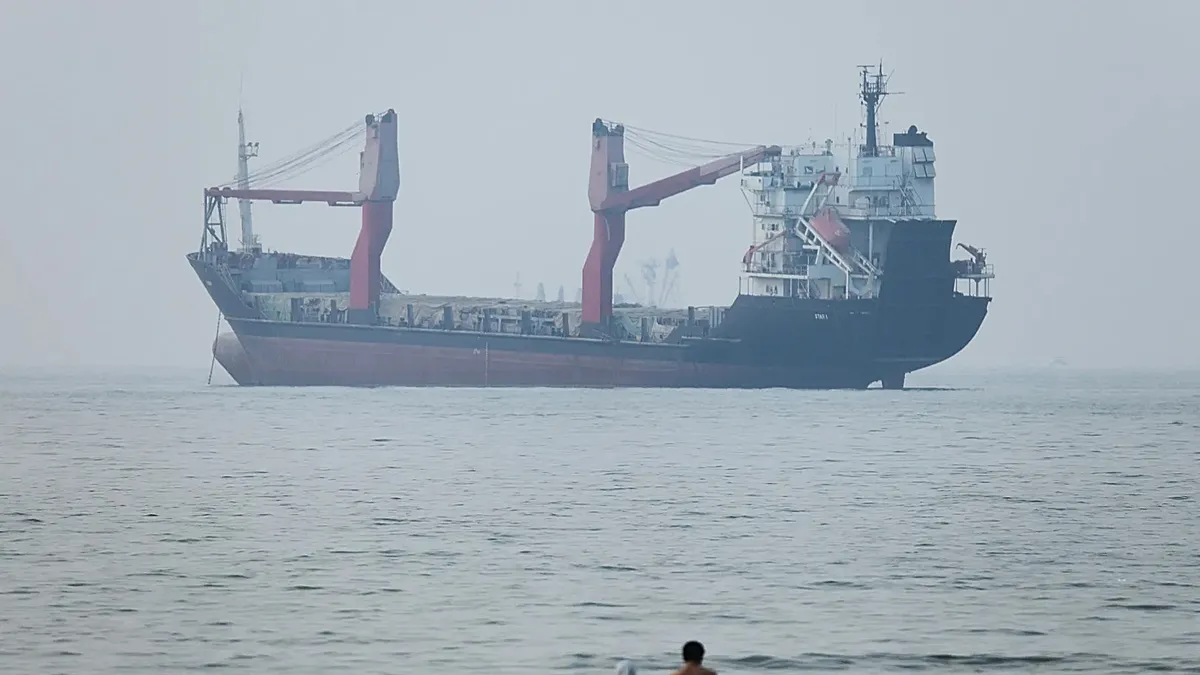
Third Tanker Hit in Strait of Hormuz Sparks Global Concern
Poinews.com – A third tanker was reported to have been struck in the Strait of Hormuz within a single day, according to the UK Maritime Trade Operations (UKMTO) center. This incident follows two attacks on oil tankers in the same waterway just hours earlier, raising alarms about the escalating security threats in the region. The UKMTO, a key body monitoring maritime activity, confirmed that the vessel sustained “minor structural damage” after being hit by a drone during its transit. The event has intensified fears of instability in one of the world’s most critical oil shipping channels, which sees over 20% of global oil exports pass through its narrow waters.
Sequence of Attacks and Immediate Impact
Less than an hour before the third strike, the UKMTO reported a second tanker being damaged by an “unidentified projectile” in the Strait. The agency noted that no crew members were injured, and the environment remained unaffected. Meanwhile, a third attack occurred shortly after, with the ship caught in a fire due to an “unknown projectile on the port side.” Despite the repeated incidents, the agency emphasized that all affected vessels were still operational and on course to their next destinations. These strikes have disrupted the flow of crude oil, potentially causing temporary fluctuations in global energy prices.
Iran Accuses US of Targeting Strategic Routes
Iran’s state news agency, Fars, claimed that one of the vessels targeted was the Al-Ruqayat, a Qatari-flagged tanker. It stated that the ship had been hit after allegedly disregarding warnings from the Islamic Revolutionary Guard Corps (IRGC) navy as it navigated through the Strait’s Omani sector. Tehran has repeatedly asserted that only its designated route through the strait is safe for maritime traffic, a stance that has fueled accusations of deliberate targeting by the US. The UKMTO’s reports align with Iranian claims, though they have not yet confirmed the origin of the projectiles.
The Strait of Hormuz has long been a flashpoint in the rivalry between the United States and Iran. Following the US’s military strikes in February, Iran imposed a blockade on the waterway, leading to a surge in fuel prices and supply chain disruptions. The recent attacks appear to be a continuation of this pattern, with both nations using the strait as a strategic lever in their ongoing conflict. Analysts suggest that the US may be testing Iran’s resolve to maintain the blockade, while Iran is attempting to assert control over the region’s shipping lanes.
Qatar’s foreign ministry spokesperson, Majed Al Ansari, has condemned the attacks, emphasizing their “unacceptable” nature and the risks they pose to international maritime security. Doha has called for Iran to be held fully accountable for the incident and any subsequent damages. The Al-Ruqayat, a key player in regional energy trade, now faces potential economic losses, underscoring the vulnerability of even neutral nations in this volatile environment. The UKMTO’s role in documenting these strikes highlights the importance of monitoring maritime security to prevent further incidents.
Broader Implications for Global Energy Markets
The repeated attacks on tankers in the Strait of Hormuz have reignited concerns about the stability of global energy markets. With tensions between Washington and Tehran persisting, the waterway’s strategic significance is amplified. Each incident adds to the uncertainty in oil supply, potentially driving up prices and affecting economies reliant on imported crude. The 60-day ceasefire agreement between the US and Iran, signed in June, was meant to de-escalate hostilities, but the latest attacks have cast doubt on its effectiveness. The agreement required the US to lift its naval blockade of Iran and for Tehran to reopen the strait, yet the recent strikes suggest that neither side is fully adhering to the terms.
International shipping routes through the Strait of Hormuz are now under heightened scrutiny, with maritime agencies advising vessels to take extra precautions. The incidents also highlight the broader implications of geopolitical strife on global trade. As the US and Iran continue their standoff, the strait’s role as a chokepoint for energy exports remains a critical factor in the balance of power. The third tanker hit in the Strait of Hormuz serves as a stark reminder of the fragility of maritime infrastructure in this contested region. With ongoing attacks, the need for diplomatic solutions and coordinated security efforts has never been more urgent.
“The third tanker hit in the Strait of Hormuz is a clear indication of the escalating risks to global energy supply. We must act swiftly to ensure the safety of all vessels in the region,” stated a senior UKMTO official in a press briefing.