Copyright win: Sorry, ChatGPT won’t help you write like Hemingway anymore
If you thought a few keystrokes would turn you into Agatha Christie, Stephen King or Ernest Hemingway, ChatGPT has some bad news. OpenAI has quietly

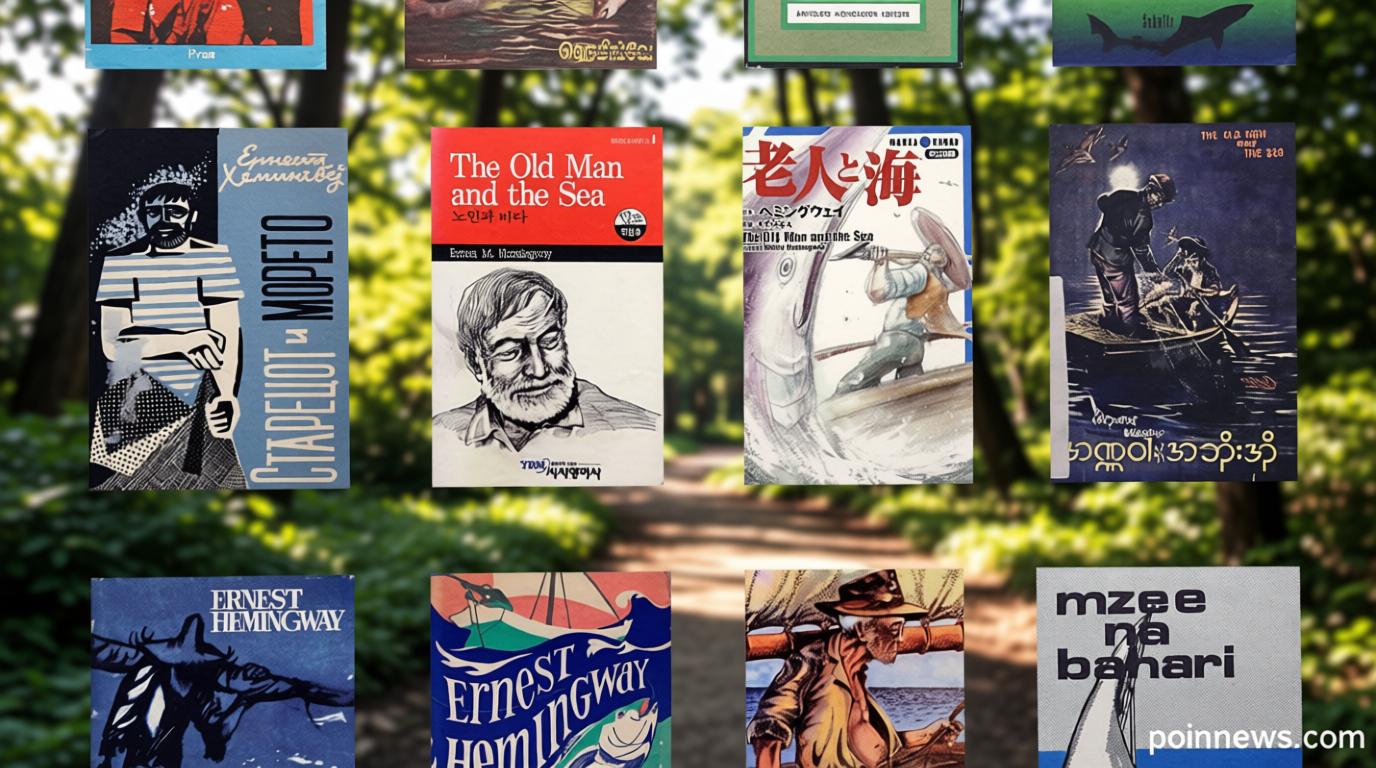
Copyright Win: ChatGPT’s New Restrictions on Author Style Mimicry
Poinews.com – If you thought a few keystrokes would turn you into Agatha Christie, Stephen King or Ernest Hemingway, ChatGPT has some bad news. OpenAI has quietly reprogrammed the chatbot to reject direct requests to replicate or mimic a named author's voice, whether they are still alive to object or have been dead for decades. This Copyright win marks a significant shift in how artificial intelligence handles creative attribution and intellectual property concerns.
Ars Technica was first to spot the change, running its own prompts through ChatGPT to confirm the pattern. Engadget followed up with its own tests and got the same result, noting that a study by publication No Latency had found ChatGPT did not refuse these requests for dead authors as recently as a few months ago, suggesting this is a genuinely new restriction rather than something that slipped through the cracks. Ask ChatGPT to rewrite your Facebook post in the visceral style of horror writer Stephen King, for instance, and the chatbot will not oblige.
How the New Restrictions Work
It prompted for an opening scene in King's voice and ChatGPT said it could not closely imitate his distinctive style, offering an original piece built around small-town dread instead. Try John Steinbeck and you get more or less the same brush-off, followed by an unprompted 750-word substitute story, a Depression-era tale built from "broader qualities such as stark naturalism, economic hardship, vivid rural landscapes, social inequality," rather than the real thing, according to testing by Fast Company.
"The loophole that remains — for those who refuse to see this as a sign that they might want to use their own creative writing skills (i.e. brains) instead of relying on a machine — is that producing a prompt describing a certain author's style, instead of mentioning them directly, might still let you get away with it."
The change follows a wave of author lawsuits against OpenAI and a $1.5 billion (€1.29bn) copyright ruling against rival Anthropic, so blocking style mimicry lets OpenAI argue its tool inspires rather than reproduces. This Copyright win represents a strategic move to address growing concerns from literary creators about their work being used without proper compensation or attribution.
Whether readers can tell the difference between "inspired by Steinbeck" and "actually Steinbeck" is another question entirely. Early tests suggest the homage often reads flatter than the source material, all short paragraphs and none of the flow or punch that made the original worth stealing in the first place.
As the legal landscape continues to evolve, this Copyright win may well set the precedent for how AI companies handle creative content going forward. Users who want authentic authorial voices may need to look beyond simple style prompts and consider more nuanced approaches to generating human-like text.