UEFA announces boycott of future FIFA World Cups over investment plan
UEFA announces boycott of future FIFA World Cup tournaments in a historic decision driven by concerns over privatization. The European football confederation

UEFA Announces Boycott of Future FIFA World Cups Over Private Investment Plan Controversy
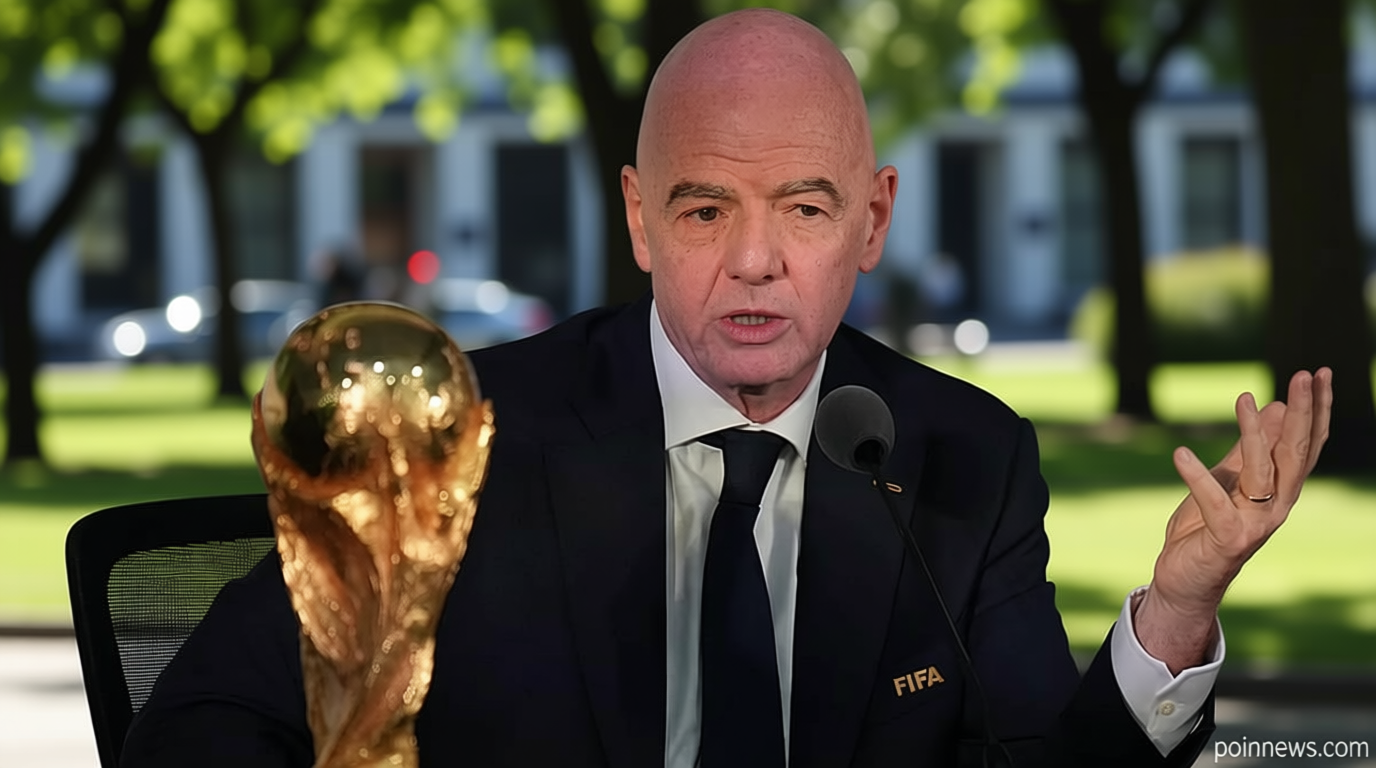
Poinews.com – UEFA announces boycott of future FIFA World Cup tournaments in a historic decision driven by concerns over privatization. The European football confederation has committed to excluding its national teams from upcoming global championships following President Gianni Infantino’s ambitious proposal to inject private capital into football’s premier competitions. This landmark move affects both the men’s and women’s editions of the World Cup, marking one of the most significant governance disputes in the sport’s modern history.
Emergency Meeting Produces Unanimous Rejection
Following an emergency gathering of all 55 UEFA member associations, the organization delivered a resounding rejection of the proposed spin-off tournament structure. The governing body stated it had “unanimously and unequivocally” opposed the initiative, which centers on divesting portions of ownership—potentially reaching 20 percent—to outside financial backers. Among the prominent investors showing interest is Joshua Kushner, whose brother Jared serves as son-in-law to United States President Donald Trump.
The boycott represents a unified stance against what UEFA describes as the potential commodification of football’s most prestigious competitions. European football’s leadership emphasized that the global championship must not become “an investment product” driven primarily by financial returns rather than sporting integrity.
Commercial and Competitive Concerns
According to UEFA’s official declaration, the absence of European involvement would significantly diminish both the commercial and competitive appeal of Infantino’s venture. European nations currently dominate the sport, as evidenced by three of the four semi-finalists in the most recent tournament: Spain, England, and France. These powerhouse nations collectively represent a substantial portion of FIFA’s revenue and viewership base.
During the emergency session, representatives from over forty football associations voiced their opposition to the investment plan. All participants agreed to participate in the coordinated boycott, according to sources acquainted with the proceedings. The statement emphasized that national associations worldwide now face a critical choice: “accept the irreversible capture of football’s greatest competitions or bear the consequences.”
Clear Conditions for Boycott Resolution
UEFA clarified that no national team from its membership would compete in any FIFA event “for so long as these proposals remain alive.” The organization specified that FIFA must completely withdraw the initiative and provide firm guarantees against future privatization of governance structures and competitions. This ultimatum gives FIFA a clear path forward while maintaining pressure for comprehensive reform.
The upcoming men’s tournament scheduled for 2030 will be hosted jointly by Spain, Portugal, and Morocco. Meanwhile, the women’s championship is set to occur in Brazil during 2027. UEFA warns that investor influence could fundamentally alter sporting decisions across the football landscape, potentially prioritizing commercial interests over competitive fairness.
“Football’s future cannot be dictated by the expectations of those whose first duty is to maximise financial return,” the statement reads, underscoring the philosophical divide between traditional football governance and modern investment approaches.
Political Support and Voting Dynamics
Glenn Micallef, the European Union Commissioner for Sport, expressed strong support for the decision. He shared his enthusiasm on social media platforms, noting: “Proud to see Europe’s football associations leading on governance, standing firm on their principles and defending the integrity of the game.”
Despite European opposition, the proposal could theoretically gain approval through FIFA’s voting mechanism. The process requires support from a majority of FIFA’s membership alongside the 37-member FIFA Council. Each national association receives one vote irrespective of its financial standing or historical significance in the sport, creating potential for unexpected outcomes.
UEFA represents more than a quarter of FIFA’s total 211 member associations. European teams have historically proven to be FIFA’s most valuable assets, securing thirteen of twenty-three men’s World Cup titles and four of nine women’s championships. A unified European withdrawal would create substantial repercussions for broadcasters, sponsors, and players worldwide, potentially reducing the tournament’s global attractiveness.
The Confederation of North, Central America and Caribbean Association Football (CONCACAF) is convening an emergency session on Thursday evening. Members of this confederation may choose to emulate UEFA’s stance on the investment proposal, potentially strengthening the boycott movement across multiple continents.