Europe Today: Middle East tensions rise as Europe deepens support for Ukraine
Middle East Tensions Rise as Europe Deepens Ukraine Support Europe Today highlights the unfolding geopolitical landscape as Middle East tensions escalate and

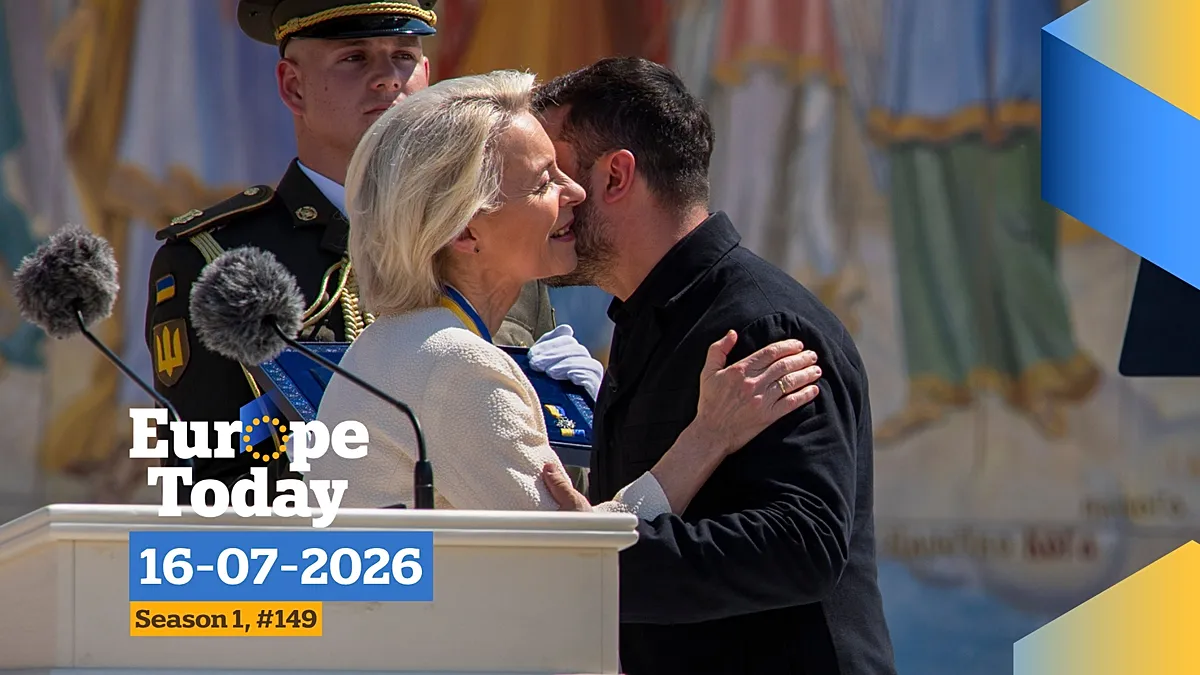
Europe Today: Middle East Tensions Rise as Europe Deepens Ukraine Support
Poinews.com – Europe Today highlights the unfolding geopolitical landscape as Middle East tensions escalate and the EU intensifies its backing for Ukraine. Recent US strikes on Iran have heightened regional instability, drawing renewed attention to the strategic importance of the Strait of Hormuz. This critical waterway, a key artery for global oil shipments, has become a flashpoint in the broader conflict, with fears of supply chain disruptions and economic repercussions. Meanwhile, Europe remains steadfast in its support for Ukraine, with leaders and institutions coordinating efforts to strengthen the country’s defense capabilities and secure long-term stability in the wake of ongoing hostilities.
EU Leaders Strengthen Defense Alliances with Ukraine
In response to the intensifying crisis, EU leaders have convened to solidify their military partnership with Kyiv. President Ursula von der Leyen and other high-ranking officials emphasized the bloc’s commitment to Ukraine’s sovereignty and territorial integrity, pledging additional funding and resources for defense infrastructure. EU Defence Commissioner Andrius Kubilius reiterated that the alliance is not only about immediate military aid but also about fostering a resilient security framework for the future. The discussions also included plans to expand joint training programs and modernize Ukraine’s armed forces to counter Russian advances.
“Europe Today is a testament to our shared values and the urgency of the moment. Ukraine’s defense is now a central pillar of our collective security strategy,” stated EU Defence Commissioner Andrius Kubilius. The statement reflects the EU’s growing recognition of the need for coordinated action, as nations across the bloc work to unify their approach to supporting Kyiv amid a complex and volatile conflict.
Rising Conscientious Objections Reflect Public Concerns
As Europe Today focuses on the military and political dimensions of the crisis, a separate debate has emerged around the ethical implications of rearmament. German MEP Niclas Herbst reported a significant surge in conscientious objector applications across the EU, indicating a growing public divide over the cost of supporting Ukraine’s defense. This trend has sparked discussions about the balance between national security and individual freedoms, with critics arguing that increased military spending could undermine democratic principles in the long run.
“Europe Today’s commitment to Ukraine must be paired with transparency and public accountability. The rise in conscientious objections shows people are questioning the path we’re taking,” Herbst noted. The debate underscores the EU’s challenge in maintaining both a strong stance on security and a socially inclusive policy framework.
EU’s Chat Control Bill Sparks Privacy Debate
Amid the backdrop of Middle East tensions and Ukraine support, Europe Today is also grappling with domestic policy issues. The proposed “Chat Control” bill, aimed at enhancing digital surveillance for child protection, has ignited controversy over privacy rights. Simeon de Brouwer of the European Digital Rights Network (EDRi) warned that the legislation could grant authorities sweeping powers to monitor communications, raising concerns about potential misuse and overreach. The bill remains a focal point in Europe Today’s legislative agenda, with stakeholders advocating for amendments to safeguard civil liberties.
“Europe Today’s digital future depends on striking a fair balance between security and privacy. Without careful oversight, this bill could set a dangerous precedent,” de Brouwer cautioned. The debate highlights the EU’s struggle to address emerging threats while preserving the rights of its citizens.
Regional Stability and Global Oil Markets
The surge in Middle East tensions has not only intensified diplomatic discourse but also impacted global markets. Europe Today has observed a sharp rise in oil prices due to the Strait of Hormuz becoming a contested zone, with analysts warning of potential ripple effects on inflation and energy security. European nations, particularly those reliant on Middle Eastern imports, have called for increased diversification of energy sources to mitigate risks. Meanwhile, the bloc’s military support for Ukraine has also influenced its strategic focus, with some leaders urging a reevaluation of priorities to address both regional and global challenges.
Ukraine’s Resilience and European Solidarity
Europe Today continues to spotlight Ukraine’s resilience as it faces relentless pressure from Russian forces. The EU’s collective efforts have included financial aid, military equipment, and diplomatic initiatives to isolate Russia economically. European nations have also coordinated sanctions to further weaken Moscow’s influence, demonstrating a unified front. This sustained support has not only bolstered Ukraine’s defenses but also reinforced the EU’s role as a key player in global security. The situation remains fluid, with ongoing negotiations and alliances shaping the trajectory of the conflict.
Connecting the Dots: Europe’s Multi-Faceted Challenges
As Europe Today navigates the intertwined challenges of Middle East tensions and Ukraine support, the EU is positioning itself as a leader in both regional and global affairs. The bloc’s ability to address multiple crises simultaneously underscores its strategic depth and diplomatic agility. However, the complexities of these issues—ranging from geopolitical warfare to ethical debates over surveillance and rearmament—require careful management to maintain public trust and international partnerships. Europe Today remains a vital platform for reporting on these developments, ensuring that citizens are well-informed about the evolving priorities and challenges facing the continent.