What is the EU’s plan to triple energy storage as renewable power goes to waste?
EU’s Plan to Triple Energy Storage Capacity What is the EU s plan to address the growing surplus of renewable energy and ensure efficient grid management?

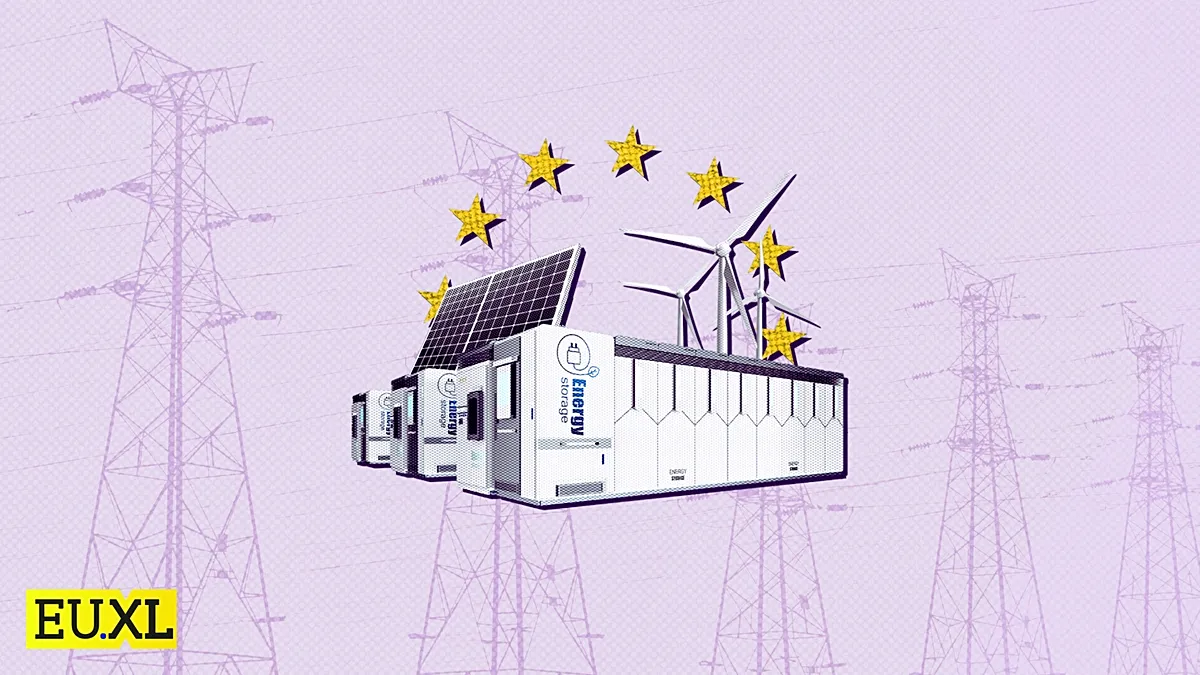
EU’s Plan to Triple Energy Storage Capacity
Poinews.com – What is the EU s plan to address the growing surplus of renewable energy and ensure efficient grid management? A landmark agreement signed in Luxembourg on June 26 has set a transformative course for the European Union, uniting the European Commission, 22 member states, and key industry stakeholders. This initiative aims to significantly expand energy storage infrastructure, which is critical as the bloc transitions to renewable power sources and grapples with the challenge of excess energy production during low-demand periods.
The Ambitious Target for Renewable Energy Storage
According to the European Commission, energy storage has become a cornerstone of the EU’s energy strategy, particularly as renewable energy generation—such as solar and wind—fluctuates with weather conditions. The plan envisions tripling current storage capacity, which stands at around 55 gigawatts (GW), to reach 200 GW by 2030. An intermediate goal of 30 to 35 GW is set for 2028, a target that will likely play a pivotal role in achieving the long-term objective. This expansion is expected to increase the share of storage in meeting peak power demands from 5% to 10% by 2028, enhancing grid resilience and reducing reliance on fossil fuels.
The EU s plan emphasizes the importance of storage in balancing supply and demand, particularly as renewable energy accounts for an increasing portion of the continent’s electricity mix. With climate change driving the need for cleaner energy, storage solutions are vital to prevent wasted power and ensure a stable energy supply. The agreement highlights the collaboration between the European Investment Bank and other financial institutions to fund large-scale storage projects, signaling a multi-faceted approach to infrastructure development.
Member States and National Commitments
Several member states have already outlined specific contributions to the plan, reflecting a shared commitment to energy security and sustainability. Poland, for instance, has pledged to boost storage capacity to 11,000 megawatts (MW) by 2030, while Spain and Austria aim for 5,000 MW each. Bulgaria is taking a more gradual approach, aligning its goals with the 2028 intermediate target. Germany, along with other nations, is expected to finalize its national storage targets by the end of the year, underscoring the urgency of the EU s plan to modernize the energy sector.
These national targets are not just numbers—they represent a strategic shift toward energy independence and climate neutrality. By investing in storage technologies, the EU seeks to mitigate the risk of surplus renewable energy being lost, a problem that has become increasingly prevalent as solar and wind power generation rises. The EU s plan also integrates innovative solutions, such as hydrogen storage and battery systems, to diversify the energy landscape and support the transition to a low-carbon economy.
Challenges and Implementation Strategy
While the EU s plan is ambitious, it faces several challenges that could hinder its success. One major obstacle is the issue of double-charging by energy operators, which may reduce the incentive for storage investment. Additionally, delays in obtaining permits and bottlenecks in connecting storage facilities to the grid are expected to slow progress. The European Commission has acknowledged these hurdles and plans to address them through annual assessments of the initiative’s implementation, ensuring that member states remain on track to meet their targets.
Despite these challenges, the EU s plan is seen as a crucial step toward a more flexible and reliable energy system. By prioritizing storage, the EU can better manage the intermittency of renewables, reduce energy waste, and support the integration of new technologies. This strategy also aligns with broader goals of achieving carbon neutrality by 2050, as energy storage plays a key role in decarbonizing the power sector and reducing reliance on gas and coal.
The Commission has stressed that energy storage is no longer an optional component but an essential one for Europe’s energy future, as renewable power continues to grow faster than infrastructure can adapt.
As the EU s plan moves forward, its success will depend on sustained collaboration between governments, industry leaders, and financial institutions. The agreement’s flexibility allows for adjustments based on evolving energy demands and technological advancements, ensuring that the EU remains at the forefront of global efforts to harness renewable energy effectively. With energy storage now at the heart of the bloc’s strategy, the future of clean power in Europe looks more promising than ever.