FIFA’s plan to sell World Cup to private investors has not been well received – but can they pull it off?
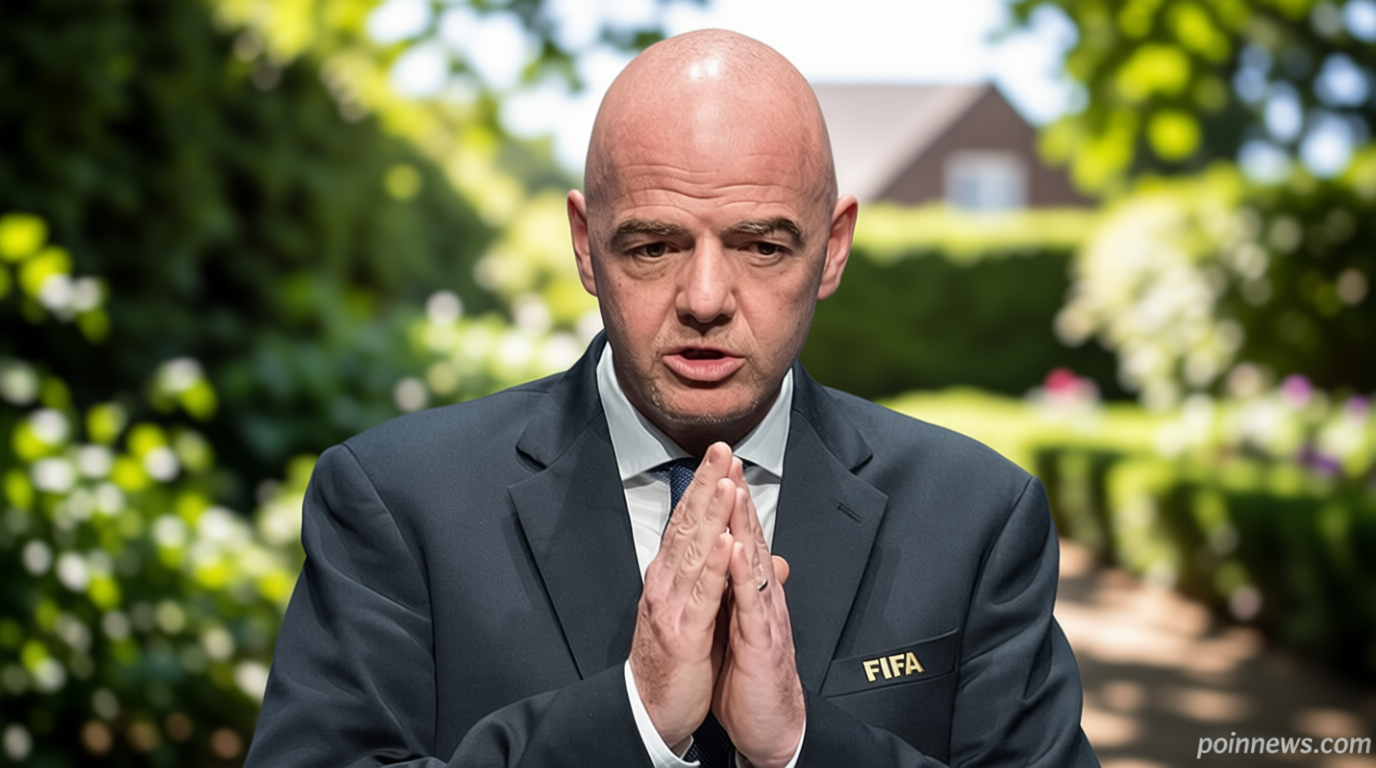
FIFA s plan to sell World Cup commercial operations to private investors has sparked intense debate across global football. FIFA president Gianni Infantino

FIFA s Plan to Sell World Cup Operations Faces Major Hurdles
Poinews.com – FIFA s plan to sell World Cup commercial operations to private investors has sparked intense debate across global football. FIFA president Gianni Infantino unveiled a proposal to establish a new commercial subsidiary that would enable private investors to purchase minority stakes in the revenue-generating activities surrounding the World Cup and other FIFA competitions. The proposed FIFA Forward Enterprise (FFE) structure would separate FIFA’s commercial and event operations into an independent entity while the governing body maintains majority ownership. According to FIFA, this restructuring could generate more than $10 billion (€8.7bn) for football development worldwide.
However, the reaction has been overwhelmingly negative, particularly from European members. UEFA has led the opposition, declaring that “the soul and governance of football are not assets to trade.” European associations have also criticized the insufficient consultation process. UEFA has convened an emergency meeting of its 55 national associations to develop a unified response, while Asian and North American confederations have expressed similar concerns. Critics emphasize that FIFA operates differently from conventional corporations—it lacks traditional shareholders.
As an association governed by Swiss law and headquartered in Zurich, FIFA is ultimately controlled through its 211 national member associations, collectively known as the FIFA Congress. The FFE proposal represents a fundamental shift in how football’s premier governing body operates. Article 12 of FIFA’s July 2026 Governance Regulations indicates that creating a subsidiary does not automatically require a majority Congress vote. Nevertheless, Infantino has committed to seeking approval from FIFA’s membership for the FFE initiative.
“The decision on whether or not to proceed with this proposal belongs entirely to you,” Infantino wrote in his letter to member associations.
The voting mechanics present significant challenges. Most FIFA Congress decisions require a simple majority of over 50% of valid votes cast. However, if implementing FFE necessitates amending FIFA’s Statutes, the requirements become substantially more demanding. A Statutes amendment requires representation from more than half of FIFA’s voting associations before proceeding. Once quorum is achieved, the amendment must secure support from 75% of the associations.
This distinction could determine the outcome of Infantino’s ambitions. UEFA’s 55 member associations possess considerable influence if they successfully argue that FFE requires a Statutes amendment. With all 211 associations eligible to vote, Infantino would need 159 votes to achieve the necessary three-quarter majority. Should every UEFA member oppose the changes, Infantino could secure only 156 votes even with universal support from all other associations.
While FIFA’s Governance Regulations already grant substantial authority to create subsidiaries and oversee commercial policy, transferring operations into a partly privately-owned entity may demand Statutes changes. FIFA announced on Thursday that a consultation process commenced on 28 July 2026, with additional details forthcoming for member associations and the FIFA Council. Infantino has set a deadline of 19 September for member associations to indicate their position on the proposal.
Despite FIFA’s assertion that democratic approval is required, no formal Congress or Council meeting has been scheduled to vote on the matter. The regular Congress meeting is not due until 2027 unless an extraordinary session is convened. The FIFA Council is expected to reconvene before the end of 2026, though no specific date has been announced. The coming weeks will prove critical in determining whether FIFA s plan to sell can overcome substantial institutional resistance.