Death toll from Venezuela earthquakes rises to 235, search and rescue efforts continue
Venezuela Earthquakes Raise Death Toll to 235; Rescue Efforts Continue Death toll from Venezuela earthquakes rises - The death toll from Venezuela earthquakes

Venezuela Earthquakes Raise Death Toll to 235; Rescue Efforts Continue
Poinews.com – The death toll from Venezuela earthquakes has climbed to 235 as of Saturday, according to the latest reports from the country’s emergency response agencies. A series of devastating tremors, including a 7.2-magnitude quake and a subsequent 7.5-magnitude event, struck the nation on Wednesday evening, leaving widespread destruction in their wake. These earthquakes are among the strongest recorded in Venezuela’s history, with experts noting their intensity as unprecedented in the past century. In the aftermath, search and rescue teams have been working around the clock to locate survivors in collapsed buildings, while local authorities coordinate relief efforts across the affected regions.
Seismic Impact and Regional Damage
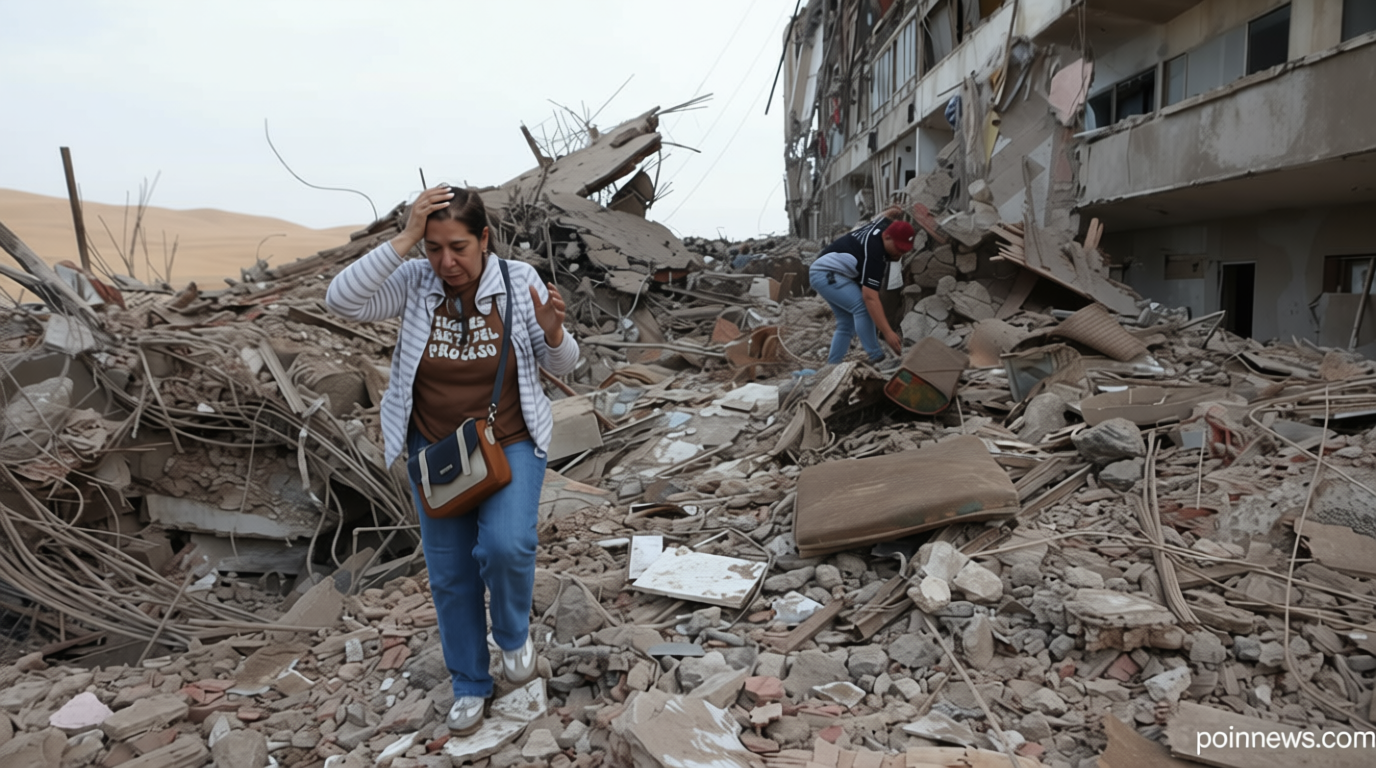
The earthquakes caused catastrophic damage, particularly in the northern part of the country, where the most severe shaking was reported. Cities such as Caracas, Maracay, and Barquisimeto bore the brunt of the disaster, with many historic buildings and infrastructure systems reduced to rubble. The tremors triggered landslides in mountainous areas and disrupted power lines, cutting off electricity to thousands of homes. Rescue operations have focused on areas with the highest casualties, including densely populated neighborhoods where multi-story buildings collapsed. Despite the challenges, teams have managed to evacuate over 4,300 injured individuals, though the number of missing persons remains unconfirmed.
Residents in affected zones have been actively participating in the search efforts, using basic tools to clear debris from collapsed structures. In some communities, volunteers have taken to the streets with flashlights and shovels, working alongside government and international rescue teams. The scale of the disaster has also prompted a call for increased support from neighboring countries, with reports indicating that aid is being transported through air and land routes to reach the hardest-hit regions. However, delays in logistics have been reported due to the damage sustained by the country’s primary airport in La Guaira, which remains a critical hub for relief supplies.
Health Challenges and Evacuations
Health officials have warned of a growing crisis as medical facilities struggle to cope with the influx of injured individuals. Health Minister Carlos Alvarado described the situation as dire, stating,
“The death toll from Venezuela earthquakes has surged, and we are seeing a significant number of patients arrive without vital signs or succumb shortly after admission.”
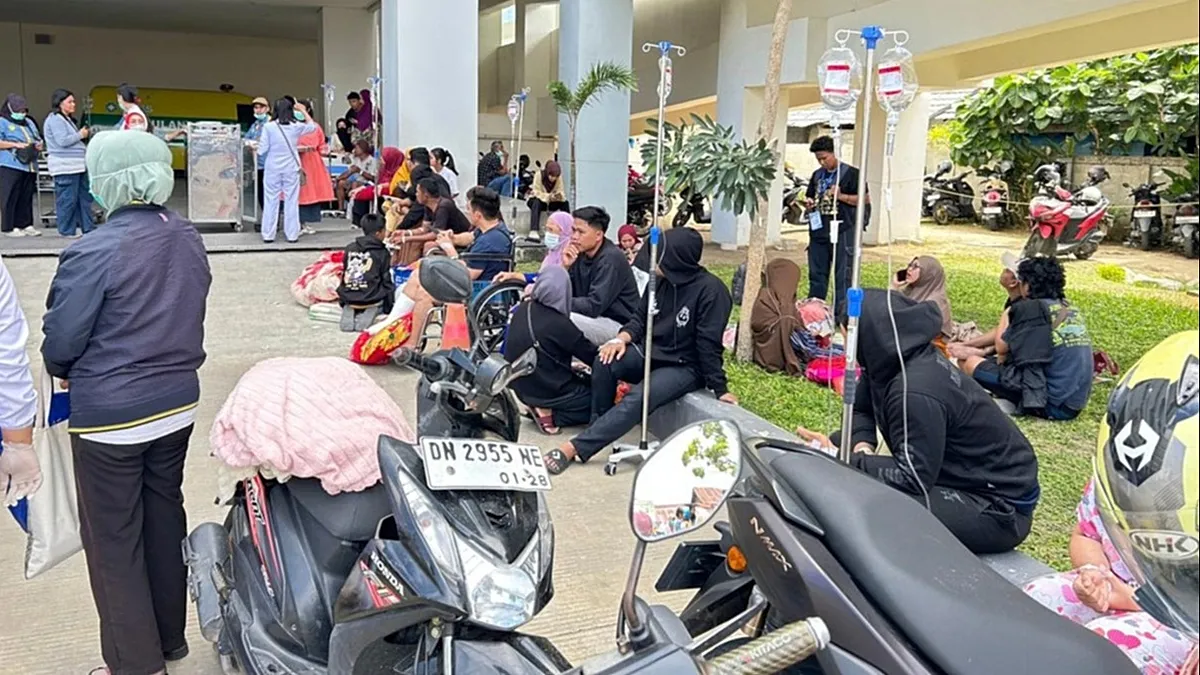
In addition to the immediate trauma from the quakes, there are concerns about secondary health risks, including injuries from falling debris and the potential for disease outbreaks in crowded evacuation centers. Over 4,300 people have been reported injured, with many suffering from fractures, internal bleeding, and burns. Evacuations have been necessary in several cities, as residents fled to safer areas or temporary shelters to avoid further hazards.
Amid the chaos, local hospitals have been overwhelmed, with some facilities operating at full capacity and others requiring additional support. In Caracas, for example, emergency rooms have been repurposed to accommodate the injured, while mobile clinics have been deployed to reach remote areas. The authorities have also prioritized the transportation of medical supplies and equipment, recognizing the urgent need to stabilize victims in the field. Meanwhile, in the coastal city of La Guaira, the epicenter of the disaster, residents have been using makeshift methods to extract survivors from the wreckage, as heavy machinery is still being mobilized and repaired.
Global Support and Logistical Hurdles
International aid has been swift in response to the Venezuela earthquakes, with countries and organizations offering assistance in the form of rescue teams, medical supplies, and financial contributions. The United States, which had previously detained Venezuelan President Nicolas Maduro in a military operation earlier this year, has pledged support for the relief efforts. Meanwhile, neighboring nations such as Colombia and Brazil have provided humanitarian aid, including food, water, and shelter materials. However, the country’s ongoing economic crisis has raised concerns about the efficiency of distributing these resources to those in need.
Logistical challenges persist, particularly in regions where infrastructure has been severely damaged. The closure of La Guaira’s main airport has delayed the arrival of critical supplies, forcing aid to be delivered by road and rail. In some cases, relief workers have had to use helicopters to reach isolated communities, as roads were blocked by fallen trees and debris. The acting president, Jesús Torrealba, who took over after Maduro’s capture in January, has emphasized the importance of coordinating with international partners to expedite recovery efforts. Despite these challenges, the resilience of Venezuelans has been evident, with locals and volunteers working tirelessly to aid survivors in the absence of sufficient government resources.
Historical Context and Lessons Learned
Venezuela’s vulnerability to natural disasters is not new, as the country has experienced several major earthquakes in the past century. The 1999 mudslide, which killed over 10,000 people, was one of the deadliest events in the nation’s history, highlighting the need for improved disaster preparedness. While the current earthquakes have caused similar devastation, the lack of adequate infrastructure and resources has raised questions about the government’s ability to respond effectively. Experts have pointed out that the country’s outdated building codes and limited access to heavy machinery have exacerbated the damage, making rescue operations more difficult and prolonging recovery efforts.
The deaths and injuries from these earthquakes have also sparked discussions about the long-term impact on the country’s population and economy. With over 235 confirmed fatalities, the human cost of the disaster is staggering, particularly for a nation already grappling with economic instability and political unrest. The government has launched a nationwide campaign to raise awareness about earthquake safety, urging citizens to take precautions in their homes and workplaces. However, some residents have criticized the lack of preparedness, citing a history of inadequate response to natural disasters. As the search for survivors continues, the focus remains on ensuring that the affected communities receive the support they need to rebuild and recover.