Amid widespread protests, Albanian island project also sparks flood of fake claims
Amid Widespread Protests, Albanian Island Project Sparks Flood of Fake Claims Amid widespread protests Albanian island project - The Albanian island project

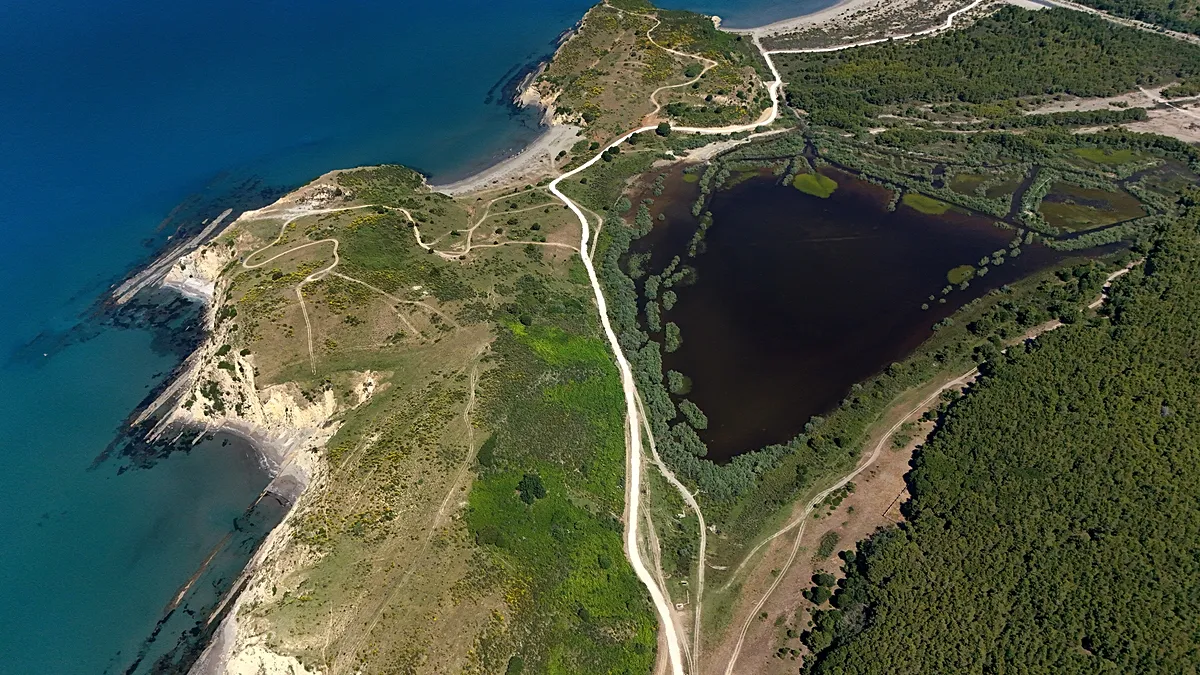
Table of Contents
Amid Widespread Protests, Albanian Island Project Sparks Flood of Fake Claims
Poinews.com – The Albanian island project has become a flashpoint for public debate, with protests across the country intensifying alongside a surge in misleading narratives. As demonstrations grow, the project’s connection to Jared Kushner has fueled speculation about foreign influence, while social media platforms have amplified rumors about its environmental and economic consequences. The initiative, which involves the development of Sazan Island and parts of the Vjosa-Narta coastal region, has drawn both support and opposition, creating a complex landscape of truth and misinformation.
Fake Claims and Public Perception
Among the most circulated falsehoods, a viral video falsely claimed to show the prime minister’s residence engulfed in flames during recent protests. In reality, the footage dates back to February 2026 and captures supporters of the Democratic Party burning the former estate of Enver Hoxha, the long-time communist leader of Albania. This misrepresentation has sparked confusion, with some social media users interpreting it as a sign of the project’s impact on government buildings. Another widely shared rumor suggests the project is linked to Israel, a claim that gained traction due to references to Kushner’s Jewish heritage and his role in Israeli-Hamas diplomacy. However, no definitive evidence has been presented to support this assertion.
“There is a narrative in the whole thing that this is about a hidden deal between [Israeli Prime Minister] Bibi Netanyahu and I, through Jared Kushner, to bring the Palestinians in that part of Albania, which is a total fantasy,” said Prime Minister Edi Rama, addressing the persistent allegations during a televised address. His remarks underscored the need for clarity in the media landscape, where misleading content can quickly overshadow factual information.
The spread of these fake claims has also targeted environmental concerns. A popular image of a barbed-wire fence with Israeli and Albanian flags was falsely labeled as a new border on Zvërnec Island, a claim that gained traction in online forums. The image, however, was digitally altered to include the flags, which were not part of the original scene. Similarly, a video purportedly showing “Israeli settlers” seizing land was later revealed to depict protesters in northern Albania opposing a separate luxury resort in Velipojë. These examples highlight how misinformation can distort public understanding of the project’s true scope and intentions.
Regulatory Scrutiny and Corruption Concerns
As the project’s controversy deepens, Albanian authorities have begun scrutinizing the regulatory framework surrounding its approval. The 2024 legislation that expedited the development process has come under fire for reducing protections for sensitive ecosystems, raising questions about transparency and accountability. Anti-corruption prosecutors have launched an investigation into the rapid approvals, questioning whether political pressure or financial incentives influenced the decision-making process. The focus of this inquiry includes land transfers, property titles, and the environmental impact assessments that were approved with minimal public oversight.
One key area of concern is the Vjosa-Narta wetlands, a critical habitat for endangered sea turtles and migratory birds. Environmental groups argue that the project threatens these ecosystems, while government officials emphasize its potential to boost tourism and foreign investment. The discrepancy between these perspectives has fueled further speculation, with some accusing the administration of prioritizing economic gains over ecological preservation. This tension is compounded by the flood of misinformation, which has made it challenging for stakeholders to communicate their positions effectively.
Public Reaction and the Role of Social Media
Public sentiment has been sharply divided, with some Albanians rallying behind the project as a symbol of modernization, while others view it as a threat to national identity and natural heritage. Social media has played a pivotal role in shaping this discourse, with hashtags like #SaveAlbanianIslands and #NoToKushnerDomination trending during key protest events. Users have shared both supporting and opposing arguments, often without verifying the accuracy of the claims. This dynamic has created a polarized environment where facts are overshadowed by emotionally charged narratives, further complicating the project’s public image.
Additionally, the fake claims have sparked debates about the media’s responsibility in reporting. Some analysts argue that the rapid spread of unverified information has eroded public trust in traditional news outlets, while others point to the influence of foreign entities in shaping the conversation. For instance, the Israeli-Israeli connection was amplified by international media outlets, which highlighted Kushner’s diplomatic ties. This has led to questions about whether the project is being politicized or if the misinformation is part of a coordinated effort to sway public opinion.
The situation has also prompted calls for digital literacy initiatives to help citizens navigate the flood of misinformation. Local educators and NGOs have begun workshops to teach how to identify fake claims, particularly those leveraging visual media. These efforts are crucial as the project’s future hinges on public perception, and misinformation could ultimately delay or derail its implementation. With protests continuing and the fake claims circulating, the Albanian island project remains at the center of a national reckoning over transparency, identity, and environmental stewardship.