
Danube dries in heat: skeleton of giant mammoth uncovered in Bulgaria
A remarkable archaeological discovery has emerged from the riverbed of the Danube as extreme temperatures continue to affect the region. On the banks near

Record Heat Exposes Ancient Treasures Along the Danube
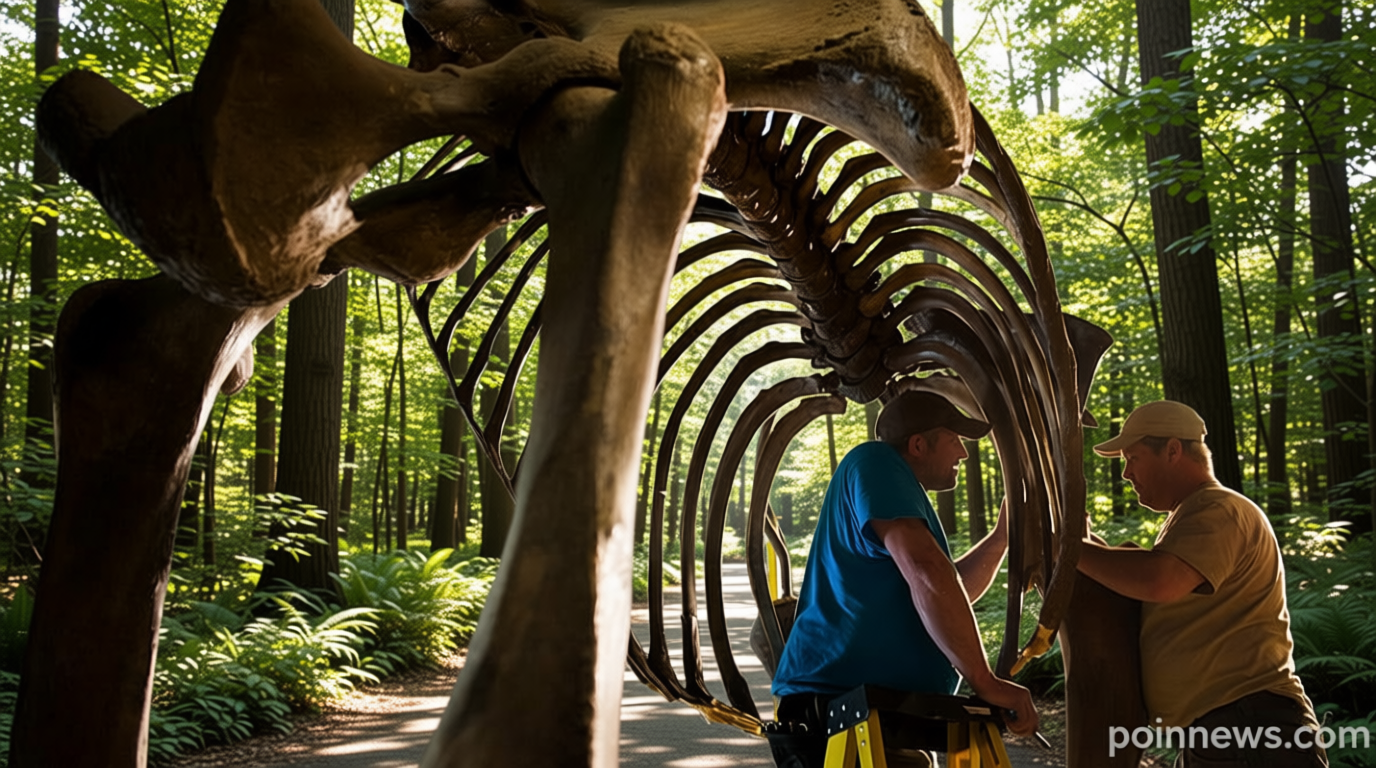
Poinews.com – A remarkable archaeological discovery has emerged from the riverbed of the Danube as extreme temperatures continue to affect the region. On the banks near Ryahovo in Bulgaria, the skeleton of a giant mammoth has been uncovered, offering scientists a rare glimpse into prehistoric times. The river, experiencing unprecedented low water levels due to prolonged heatwaves, has revealed these ancient bones which experts at the Regional History Museum in Ruse confirm belong to a woolly mammoth, scientifically classified as Mammuthus primigenius. Researchers have so far recovered a jawbone, tusks, a shoulder blade, ribs, and various other bone fragments, though they believe a significant portion of the complete skeleton remains buried beneath the sediment.
Krasimir Kirov, the museum’s curator, explained that this magnificent creature would have stood nearly 5 metres tall and weighed between 7 to 8 tonnes during its lifetime. The animal likely reached this location through natural processes, as the Danube has historically served as a repository for prehistoric remains over thousands of years. The woolly mammoth species thrived from approximately 500,000 to 800,000 years ago until their extinction around 7,000 to 10,000 years ago. Given the bones’ extended submersion in water, conservation teams are handling them with exceptional care, recognizing that exposure to air could cause rapid deterioration of these fragile specimens.
These bones have been preserved in the riverbed for millennia, and their careful extraction represents both a scientific opportunity and a conservation challenge that requires patience and precision.
Wider Impacts of the Danube’s Unprecedented Drought
Once conservation work is complete, the mammoth remains will be transported to the Ruse museum, located approximately thirty kilometres from the discovery site. This event coincides with broader environmental changes affecting the entire Danube basin. The mighty river, which traverses ten nations from south-west Germany to the Black Sea, has reached record low levels across much of its course. These conditions have exposed numerous features rarely seen in recent memory, including rocky formations, sandbanks, and historical shipwrecks that had lain hidden for decades.
Among the most notable maritime discoveries are German warships from the Second World War that have resurfaced near Mohács in Hungary and at Prahovo in Serbia. These vessels, which sank during wartime operations, now rest on exposed riverbeds, providing historians with new opportunities for research and documentation. The visibility of these wrecks demonstrates how dramatically the Danube’s water levels have changed, transforming what was once a deep navigable channel into a landscape of historical revelation.
Beyond archaeological treasures, the Danube dries in heat has created serious operational challenges for critical infrastructure. Hungary’s Paks nuclear power plant has been forced into an emergency shutdown because insufficient water levels prevent adequate cooling of the facility. This situation highlights how climate extremes can impact not only natural heritage but also modern energy production. As temperatures continue to rise across Europe, the Danube basin serves as a living laboratory for understanding how changing climate patterns affect both ancient ecosystems and contemporary human activities. Scientists hope that continued monitoring of the river will yield further discoveries while helping researchers predict future environmental changes in the region.