Brazil – Argentina diplomatic relations downgrade to ‘Chargé d’Affaires’
Brazil has formally requested Argentina to recall its ambassador, marking a significant diplomatic setback for the South American partnership. The Foreign

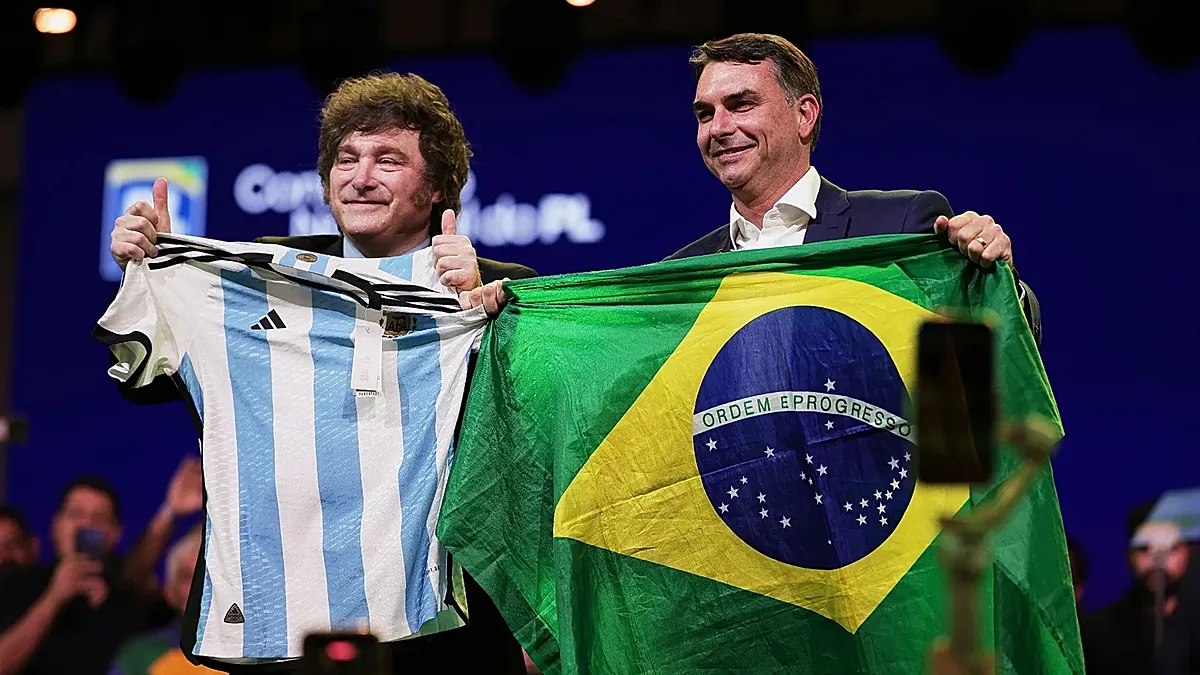
Table of Contents
Brazil Downgrades Diplomatic Ties with Argentina Following Public Feud
Poinews.com – Brazil has formally requested Argentina to recall its ambassador, marking a significant diplomatic setback for the South American partnership. The Foreign Ministry in Buenos Aires announced the decision on Tuesday, following an intense diplomatic spat that erupted last week. The controversy began when Argentine President Javier Milei publicly called his Brazilian counterpart, Luiz Inacio Lula da Silva, a “thief” during a televised interview. This bold statement from the Argentine leader has sent shockwaves through diplomatic circles, prompting Brazil to take immediate action to protect its international standing.
The escalation came after Milei’s harsh remarks on TV channel LN+, where he stated: “He’s a thief, he’s corrupt, he’s been convicted of theft and corruption, he’s been in prison, so it’s true that we can call him a convict.” The Brazilian government responded swiftly, announcing it was reducing “bilateral diplomatic representation to the level of Charge d’Affairs,” as confirmed by Argentina’s Foreign Ministry in an official statement. This downgrade represents a substantial reduction in diplomatic engagement between the two neighboring nations, signaling serious tensions in their relationship.
Political Context Behind the Diplomatic Crisis
Brazil also recalled its ambassador to Argentina for consultations, further demonstrating the severity of the situation. The diplomatic dispute extended beyond personal attacks, as Milei’s speech simultaneously criticized a Brazilian Supreme Court justice. This multi-front challenge to Brazilian institutions has heightened concerns in Brasilia about the direction of bilateral relations. The decision to downgrade diplomatic representation reflects Brazil’s determination to maintain its dignity while keeping channels of communication open for future resolution.
“Don’t you think it’s aggressive when someone steals from you? Calling a thief a ‘thief’ is far less serious than the act of stealing itself.” — President Javier Milei, explaining his stance on the controversy
Buenos Aires has attempted to downplay the diplomatic feud with its largest trade partner. Presidential spokesperson Adrian Ravier characterized the situation as a matter of “ideological and political differences” rather than a fundamental breakdown in relations. When asked on Sunday why he displayed such aggressiveness towards Lula, Milei provided his reasoning, emphasizing that his criticism was based on what he perceives as factual statements about Lula’s legal history. The Argentine leader insisted that Lula was released due to an administrative error, not because he was innocent of the charges against him.
The libertarian Milei made similar remarks during a speech in Brazil last weekend, where he expressed support for Senator Flavio Bolsonaro. Flavio Bolsonaro is the son of former president Jair Bolsonaro and serves as Lula’s right-wing opponent in the upcoming presidential election. This political alignment has added another layer of complexity to the Brazil-Argentina relationship, as Milei’s endorsement of Flavio Bolsonaro includes backing from members of US President Donald Trump’s administration and Israeli Prime Minister Benjamin Netanyahu. Such international connections demonstrate how regional diplomatic tensions can have broader geopolitical implications.
Looking Ahead: What This Means for Brazil-Argentina Relations
The downgrade to Chargé d’Affaires level represents a temporary but significant shift in diplomatic protocol. While ambassadors serve as the highest-ranking diplomatic representatives, Chargés d’Affaires maintain essential functions during periods of transition or tension. This arrangement allows both countries to continue their vital trade relationship while working through political differences. As Brazil’s largest trade partner, Argentina remains crucial to the Brazilian economy, making this diplomatic adjustment a measured rather than dramatic response.
Observers note that the situation could evolve quickly, particularly as both nations prepare for upcoming elections. The diplomatic crisis has highlighted the ideological divide between the progressive government in Brazil and the libertarian administration in Argentina. However, historical precedent suggests that such tensions often resolve as political priorities shift and economic cooperation remains paramount for both nations.
Frequently Asked Questions
What does it mean when diplomatic relations are downgraded to Chargé d’Affaires?
When a country downgrades its diplomatic representation to Chargé d’Affaires level, it means the ambassador has been recalled and a lower-ranking diplomat temporarily heads the embassy. This is not a complete severing of relations but rather a signal of serious diplomatic concern. The Chargé d’Affaires maintains day-to-day operations and can still negotiate on behalf of their country, though major decisions may require additional consultation.
How significant is Argentina as a trade partner for Brazil?
Argentina is Brazil’s largest trade partner in South America, with bilateral trade exceeding $20 billion annually. The two countries share extensive economic ties across agriculture, manufacturing, and energy sectors. This economic interdependence makes the current diplomatic tensions particularly noteworthy, as both nations have strong incentives to resolve their differences quickly.
What role did the Lula-Milei personal relationship play in this crisis?
The personal relationship between the two leaders has been characterized by ideological differences for some time. Milei’s libertarian approach contrasts sharply with Lula’s progressive policies. However, experts note that while personal dynamics can influence diplomatic relations, the formal downgrade reflects institutional responses to public statements rather than purely personal grievances.
Could this diplomatic crisis affect upcoming elections in either country?
The timing of this crisis could influence both countries’ electoral landscapes. In Brazil, the situation may be used by opposition parties to criticize Lula’s foreign policy approach. In Argentina, Milei’s firm stance could resonate with his base of supporters who value assertive international leadership. Both leaders may use the crisis to demonstrate their commitment to national interests.