Hiroshima marks 81 years since atomic bombing as mayor deplores pursuit of nuclear weapons
Hiroshima marks 81 years since the devastating atomic bombing that forever changed the course of human history. The western Japanese city commemorated this

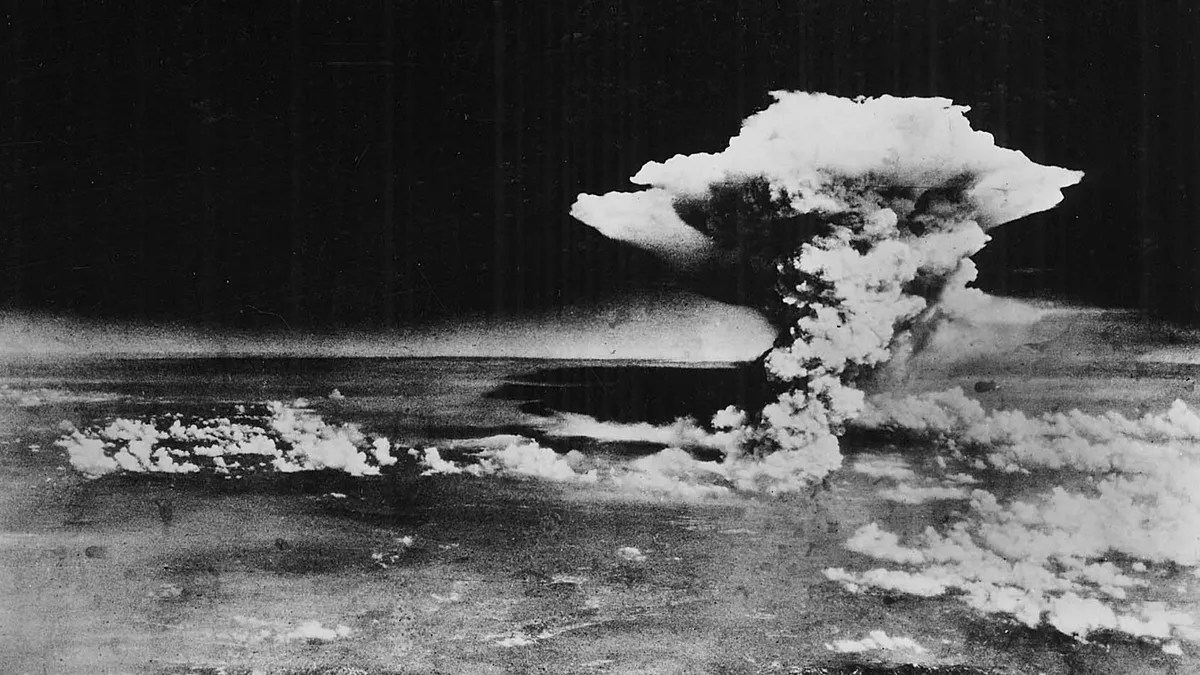
Table of Contents
Hiroshima marks 81 years since atomic bombing with renewed calls for nuclear disarmament
Poinews.com – Hiroshima marks 81 years since the devastating atomic bombing that forever changed the course of human history. The western Japanese city commemorated this pivotal moment on Thursday, with Mayor Kazumi Matsui delivering a powerful message to world leaders about the dangers of nuclear weapons. In his annual peace declaration at the Hiroshima Peace Memorial Park, Matsui criticized major powers for continuing to justify nuclear weapons as a tool of deterrence while simultaneously waging wars around the globe.
“Downplaying the inhumanity of nuclear weapons and accepting the use of force to pursue one’s own prosperity risk cycles of violent retaliation that could ultimately result in another Hiroshima or Nagasaki,” Matsui declared to the gathered crowd. The mayor emphasized that too many political leaders still view nuclear deterrence as a realistic approach, which simply pushes the vision of a world without nuclear weapons further into the distance.
Global leaders gather for historic ceremony
About 50,000 people attended the solemn ceremony, including representatives from approximately 120 countries and regions. Notable attendees included delegations from the United States and Iran, among others. The ceremony featured a minute of silence at 8:15 am, precisely when the American B-29 bomber dropped its devastating payload on the city in 1945. As the peace bell rang out across the memorial park, attendees reflected on the profound loss and the enduring hope for peace.
Prime Minister Sanae Takaichi, attending the memorial for the first time in her role as prime minister, outlined her administration’s commitment to nuclear disarmament. She pledged to take “a realistic approach” toward achieving a world where nuclear weapons are never used again, working within the framework of the United Nations’ treaty to prevent their spread. This year’s ceremony carries particular significance as speculation grows that Takaichi’s hawkish government may ease Japan’s postwar three non-nuclear principles when compiling new security and defence documents later this year.
Takaichi has long advocated for reviewing these principles, particularly the third one that prohibits nuclear weapons from being brought into the country. While Japan has maintained its postwar three non-nuclear principles, the prime minister fell short of expressing an unwavering commitment to sticking with that policy into the future. This ambiguity has caused frustration among survivors, who worry about growing international support for nuclear weapons as a deterrent, including within Japan itself.
“The horror of nuclear weapons is just one lesson of Hiroshima. Another is the need to build a world in which the threat or use of these weapons becomes unthinkable,” United Nations Secretary-General António Guterres said in a written statement.
Japan remains under the protection of the US nuclear umbrella and has repeatedly sought Washington’s reassurance regarding its commitment to stronger protection. Despite this arrangement, Japan’s government has rejected survivors’ requests to sign the Treaty on the Prohibition of Nuclear Weapons or attend its meetings as observers. The bombing of Hiroshima on 6 August 1945 destroyed the city and killed 140,000 people. A second bomb dropped three days later on Nagasaki killed 70,000 more.
Japan surrendered on 15 August, ending World War II and nearly half a century of aggression in Asia. Today, the number of survivors has fallen to 91,105, approximately a quarter of the original number, with their average age exceeding 86 years. Survivors express deep concern about fading memories, as the youngest of the survivors were too young to clearly recall the attack that transformed their city.
Guterres praised Hiroshima as “an inspiring example of resilience, renewal and hope.” He noted that across generations, the people of Hiroshima remind us that even after the darkest moments, humanity can choose and build a different future. The UN Secretary-General called for “dialogue over division, cooperation over confrontation and common security over narrow advantage,” echoing the sentiments expressed by Mayor Matsui and other dignitaries at the ceremony.
Frequently Asked Questions
When did Hiroshima marks 81 years since the atomic bombing? The commemoration took place on Thursday, August 6, 2026, marking 81 years since the atomic bombing on August 6, 1945.
How many people died in the Hiroshima bombing? The atomic bombing of Hiroshima killed approximately 140,000 people, while the Nagasaki bombing three days later claimed 70,000 lives.
Who is the current mayor of Hiroshima? Kazumi Matsui is the current mayor of Hiroshima, who delivered the annual peace declaration at the ceremony.
How many atomic bomb survivors remain in Japan? The number of survivors has fallen to 91,105, with an average age exceeding 86 years old.
What are Japan’s three non-nuclear principles? Japan’s three non-nuclear principles state that Japan will not possess, produce, or permit the introduction of nuclear weapons into the country.