Trump revives claims of election interference during address to nation
Trump Revives Election Interference Claims in National Address Trump revives claims of election interference - During a pivotal primetime address to the

Trump Revives Election Interference Claims in National Address
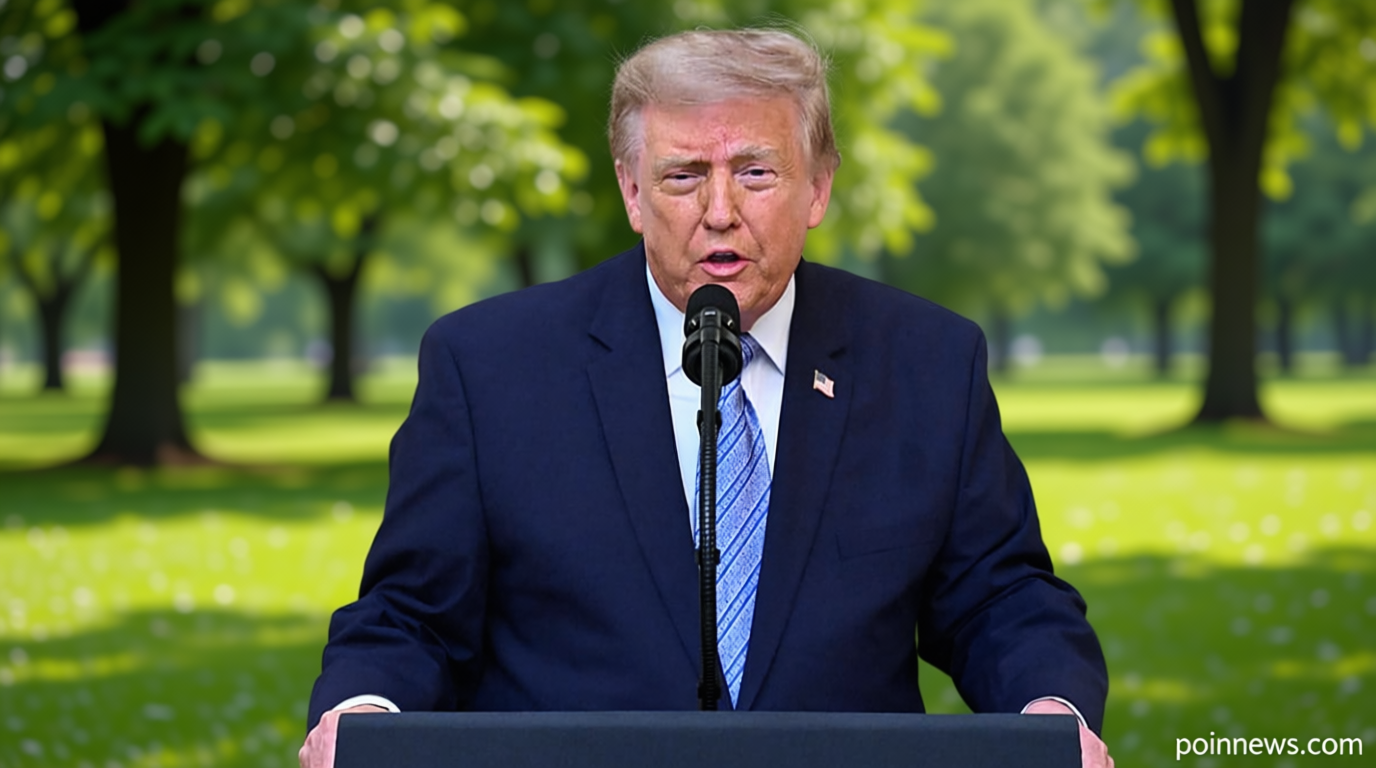
Poinews.com – During a pivotal primetime address to the American public, former President Donald Trump reinvigorated his long-standing allegations of election interference, emphasizing the role of foreign actors in undermining the integrity of the electoral process. This speech, delivered on Thursday, was a strategic reemphasis of claims that had previously been dismissed as baseless, with Trump asserting that the 2020 presidential election was compromised through systemic voter fraud and covert operations. His focus on these claims aligns with a broader effort to challenge the legitimacy of his defeat, which he attributes to a conspiracy involving external forces and domestic election administrators.
“The American people deserve to know the truth about the election, and I am here to tell it,” Trump declared, his voice echoing through the broadcast. “Our election system has been targeted by foreign adversaries, and it is time to restore confidence in the process that has been so heavily scrutinized.”
The president’s address, which spanned over 25 minutes, included detailed references to classified intelligence and historical data, positioning the issue as a national crisis that demands immediate action. Trump’s revival of these claims comes as he prepares to lead the Republican Party into the upcoming midterms, where he hopes to capitalize on lingering doubts about the 2020 election results.
Revisiting the 2020 Election Controversy
Trump’s focus on election interference is not new, but his latest remarks bring renewed urgency to the narrative. The 2020 election, which saw him lose to Joe Biden, has been a recurring topic in his post-presidency speeches, with the former leader repeatedly suggesting that widespread fraud was the reason for his defeat. While the U.S. Department of Justice and multiple states have reviewed the claims and found no conclusive evidence of large-scale fraud, Trump’s insistence on the issue continues to shape public discourse.
“We are dealing with the largest compromise of election data in history,” Trump stated, pointing to classified documents that allegedly revealed how China had infiltrated U.S. voting systems. The president argued that the breach exposed critical vulnerabilities in the country’s electoral infrastructure, which he claimed could be exploited to alter outcomes in future elections. This assertion, however, has been met with skepticism by election experts and cybersecurity analysts, who note that while foreign interference is a valid concern, the evidence presented by Trump remains contested.
China as a Key Accusation
Trump’s speech highlighted China as a central player in the alleged election interference, a claim that has grown in prominence over the past year. According to the president, Chinese hackers had accessed sensitive voter data, including millions of records with personal information such as addresses, phone numbers, and political affiliations. He framed this breach as a coordinated effort to undermine the democratic process and ensure the victory of his political opponents.
“China has been working behind the scenes to disrupt our elections,” Trump said, citing intelligence reports that suggested the country’s involvement in cyberattacks targeting election systems. The president argued that these actions were part of a larger pattern of interference, with China and other nations seeking to influence U.S. politics through digital means. This accusation, while previously mentioned in his rhetoric, was presented with fresh emphasis in his address, aiming to tie the current electoral landscape to global threats.
Voter ID Legislation as a Solution
Central to Trump’s message was the push for stricter voter ID laws, which he presented as a critical step in safeguarding election integrity. In his speech, he advocated for legislation requiring voters to present government-issued identification before casting their ballots, a measure he claims would eliminate the possibility of fraudulent voting. Despite the law being widely debated, Trump framed it as an essential tool to combat the very interference he accused China of perpetrating.
“We must ensure that every vote counts, and every voter is verified,” Trump stated, calling on Congress to pass sweeping reforms. His emphasis on voter ID laws reflects a broader strategy to consolidate control over the electoral process, with critics arguing that such measures could disproportionately affect minority and low-income voters. Nonetheless, Trump maintained that these laws were necessary to protect the democratic system from external manipulation and internal vulnerabilities.
Strained Ties with Beijing and Global Implications
Trump’s accusations against China not only intensified scrutiny of the country’s role in the 2020 election but also risked further straining U.S.-China relations. The former president had previously praised Chinese President Xi Jinping as a “great leader” and a “friend,” expressing optimism about economic and diplomatic ties. However, the current narrative positions China as a strategic rival in the battle for electoral control, with Trump suggesting that the nation’s interference extends beyond the election to broader geopolitical objectives.
“China’s actions are not just about winning a single election—they are about weakening our democracy,” Trump warned. This statement underscores the shift in his rhetoric from domestic concerns to international threats, framing the issue as part of a larger conflict. While some analysts note that the claims are consistent with Trump’s pattern of blaming foreign adversaries for domestic challenges, others argue that the focus on China serves to bolster his political messaging and rally support for his party’s candidates.
Public Reaction and Political Impact
The speech elicited a mixed response from the American public, with many supporters praising Trump for his bold assertions and others criticizing the lack of concrete evidence. Social media platforms saw a surge in activity, with hashtags like #ElectionInterference and #TrumpTruth gaining traction among his base. Meanwhile, Democrats and election officials remained cautious, urging patience and highlighting the importance of bipartisan efforts to secure the voting process.
“It’s important to remember that the 2020 election was certified by multiple state officials and verified by independent experts,” said a spokesperson for the Democratic National Committee. “While Trump’s claims are part of his ongoing narrative, they may sway voters and create confusion during a critical election period.” The potential impact of Trump’s revival of these claims is significant, as it could influence the mood of the electorate and shape the political landscape for the midterms.
Long-Term Implications for U.S. Democracy
As Trump continues to emphasize election interference, the broader implications for U.S. democracy come into focus. His rhetoric highlights a growing divide between those who view the electoral system as vulnerable to external threats and those who see it as resilient and reliable. The debate over election integrity has become a central theme in political discourse, with Trump’s claims serving as a catalyst for discussions about the role of technology, foreign influence, and domestic policies in shaping the outcome of elections.