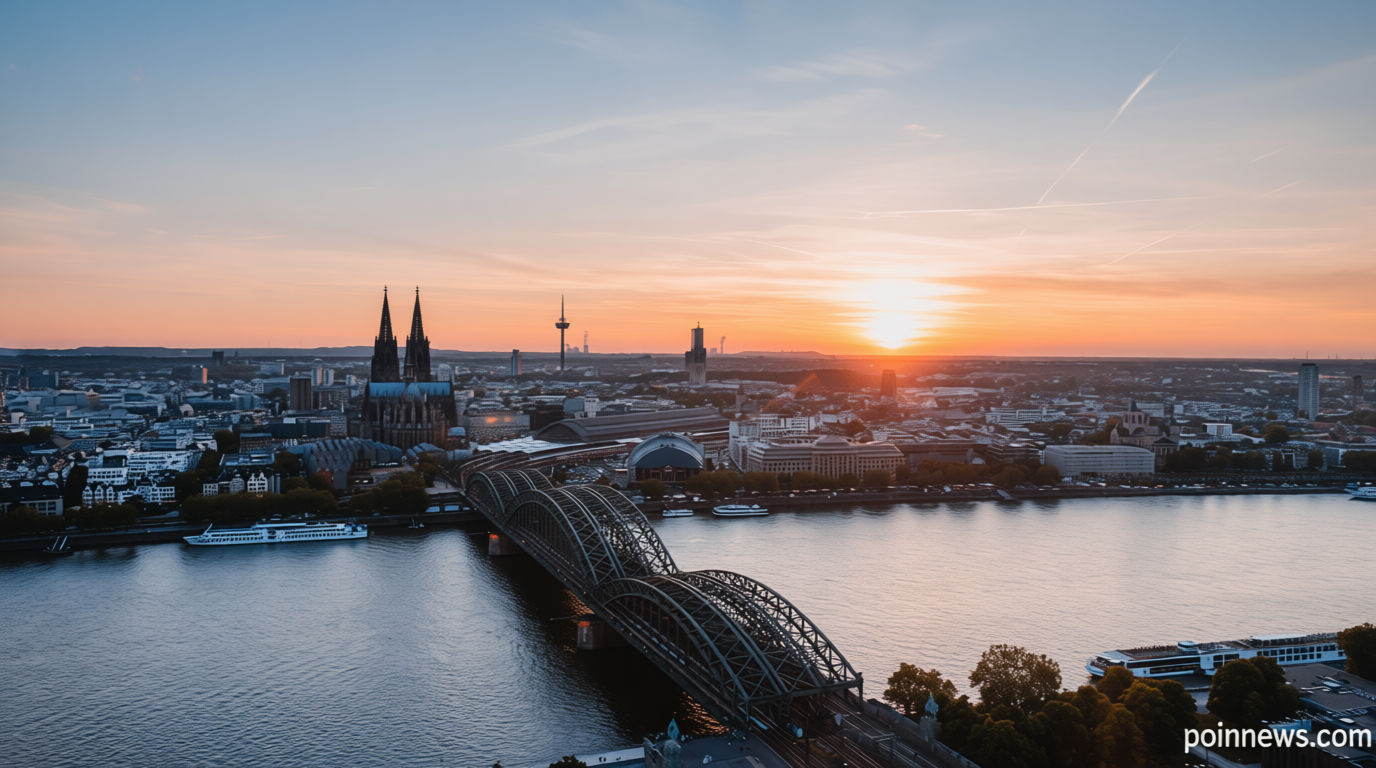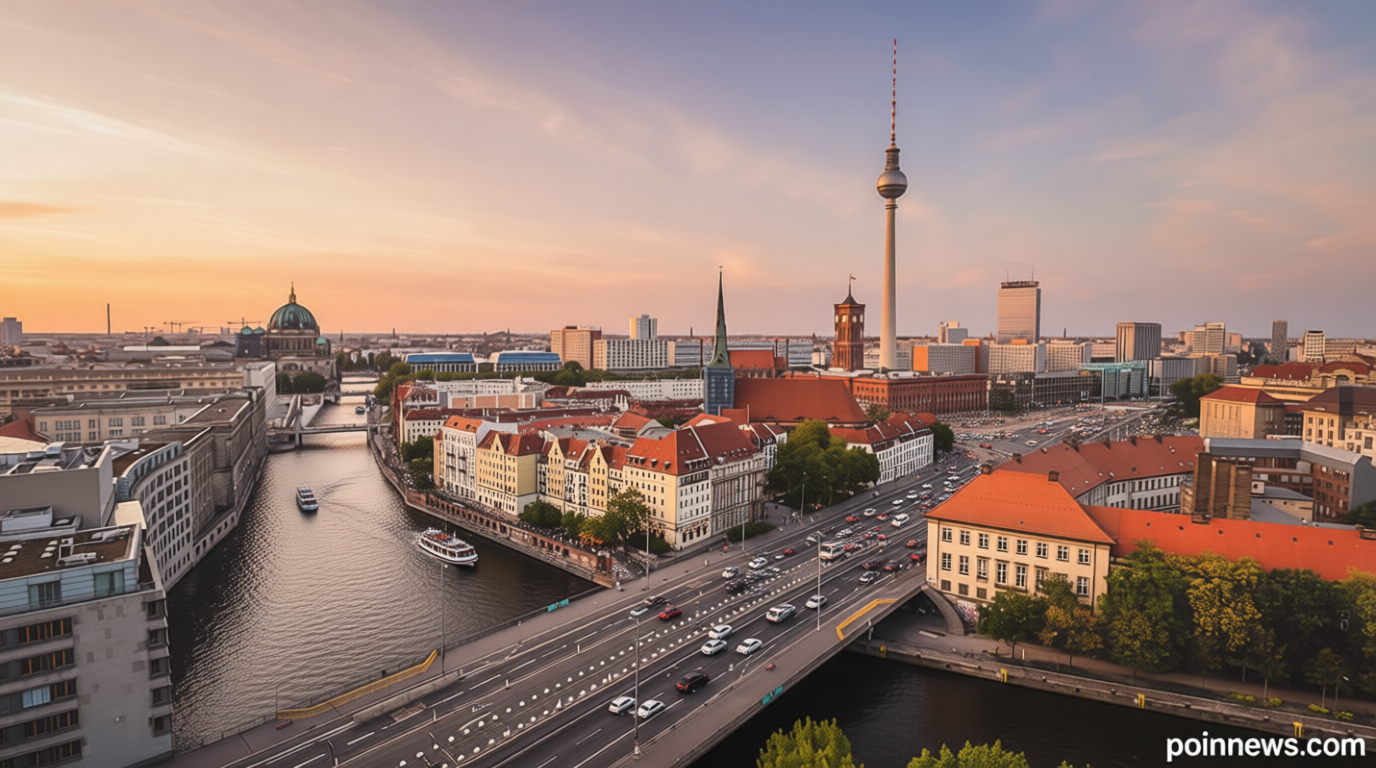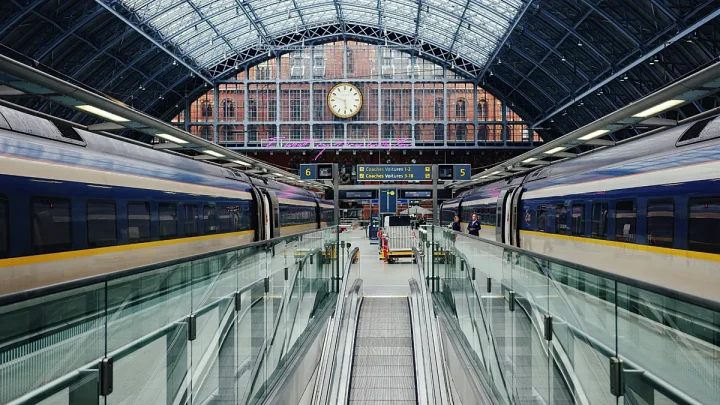
City breaks without the crowds: Europe’s top ‘second cities’ to visit
Endless queues, heavy tourist taxes, and congested capital cities have many vacationers reconsidering their travel plans entirely. A growing number of

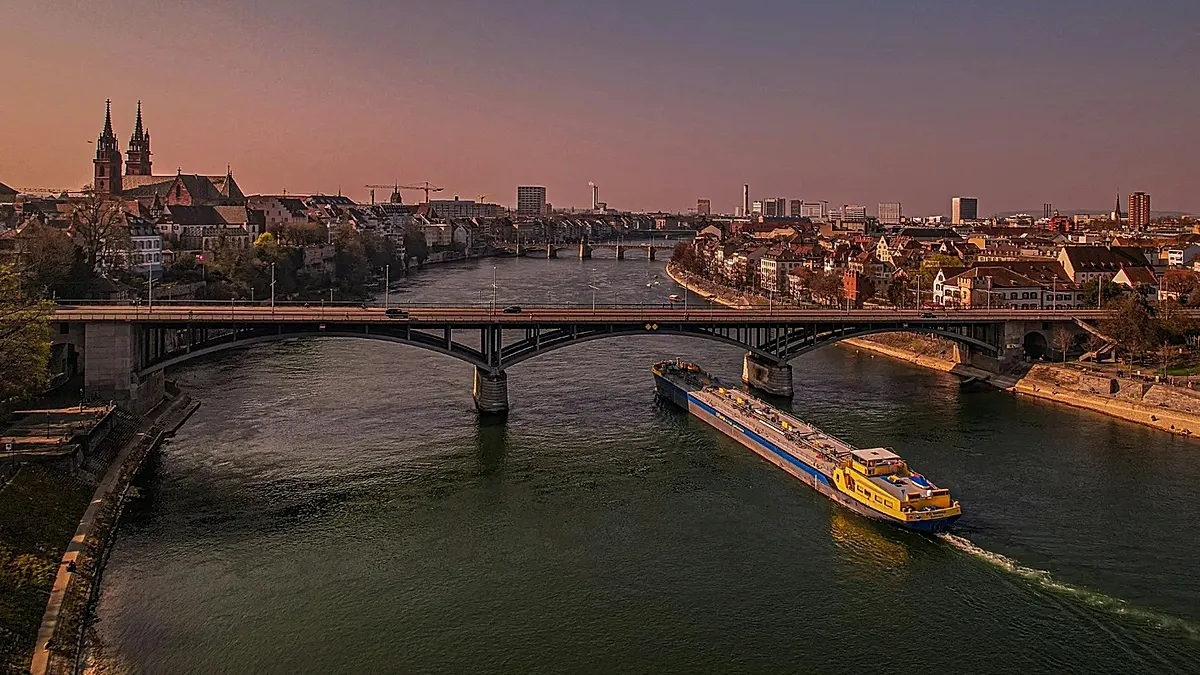
Table of Contents
Beyond the Tourist Trail: Europe’s Hidden Gems Await
Poinews.com – Endless queues, heavy tourist taxes, and congested capital cities have many vacationers reconsidering their travel plans entirely. A growing number of explorers are discovering the charm of so-called “second cities” across Europe instead of heading to the usual hotspots. Industry watchers note that modern travelers seek experiences beyond well-worn paths, looking for destinations that feel intimate and meaningful.
Whether you prefer a peaceful escape from Barcelona’s energy or want to trade London’s frantic pace for something calmer, these alternative locations deliver authentic local culture, heritage, and cuisine without the overwhelming visitor numbers. The concept extends beyond merely the second-largest city in a nation; according to HuffPost, it now encompasses “lesser-known destinations” that offer genuine connections with place.
Why Choose Second Cities?
These places typically feature family-run eateries rather than international chains, intimate galleries instead of massive museums, and local markets serving seasonal produce. The scenery often provides a dramatic backdrop to everyday life. While major tourist centers certainly have their appeal, visiting secondary cities means avoiding packed sidewalks and long waits for dinner reservations. Travelers gain access to neighborhoods that haven’t been transformed into generic tourist zones.
Financial considerations also play a role. Hotels, dining, and activities generally cost less in these locations. From creative centers to beautiful coastal spots, here are ten European second cities worth prioritizing on your next journey.
Split, Croatia: Where Ancient Meets Modern
Split’s character revolves around Diocletian’s Palace, a remarkably preserved Roman structure that has stood for two millennia. The city seamlessly merges imperial history with contemporary Adriatic living. Strolling through narrow passages built during Roman times leads visitors to waterfront walkways and relaxed coffee shops. Ascending the restored bell tower at Saint Domnius Cathedral provides spectacular panoramic views.
Beaches, cycling routes, wellness centers, and spa facilities abound in this coastal Croatian destination, allowing travelers to pack diverse activities into a single visit.
Cork, Ireland: A Walkable Cultural Hub
Situated in Ireland’s southwestern corner, Cork offers a compact yet rich experience within easy walking distance. The Cork English Market, established in 1788, remains a vibrant shopping destination where visitors can sample fresh seafood, artisan confections, exotic spices, and seasonal fruits and vegetables.
Walking down St Patrick’s Street brings you to Fitzgerald’s Park, located near the Cork Public Museum. The city also serves as an excellent starting point for exploring Ireland’s southern coast, featuring charming harbor communities and the Atlantic’s dramatic cliff formations.
Graz, Austria: Renaissance Meets Innovation
Graz combines Renaissance-era courtyards with eclectic architectural styles and a dynamic food scene. Riding the Schloßbergbahn cable funicular—operating since 1894—costs just €3.30 and delivers stunning perspectives of the city, including its historic center. The Murinsel, a striking floating platform, connects to the Mur River and contains both an amphitheater and a café.
Hamburg, Germany: Maritime Heritage and Street Art
As Germany’s foremost port city, Hamburg balances its seafaring traditions with an energetic street art movement. Murals and installations decorate districts such as St Pauli, Schanzenviertel, and Karoviertel. While Berlin is known for currywurst and Bavaria for pretzels, Hamburg claims the fish sandwich as its culinary signature.
Freshly caught herring, mackerel, or crab served between bread rolls represents a beloved local snack. Hamburg Tourismus suggests visiting Goedekens Kombüse restaurant to experience this traditional treat.
Brno, Czech Republic: History Beneath the Streets
Often eclipsed by Prague, Brno contains medieval landmarks and subterranean passages that span centuries. Špilberk Hill offers views of Špilberk Castle, which houses the Brno City Museum and hosts concerts, theater performances, and festivals. Below ground level, visitors can navigate the city’s labyrinthine passages and reservoirs, including the Žlutý Kopec Water Tanks, where tours divide into three distinct segments.
Related Reading
Frequently Asked Questions
What is City breaks without the crowds?
City breaks without the crowds is the main topic of this guide. The article explains the context, practical details, and next steps readers should understand.
Why does City breaks without the crowds matter?
City breaks without the crowds matters because readers are looking for a useful answer, not just a short summary. Good content should match search intent and help them decide what to do next.