Catania Airport suspends flights following volcanic activity at Mount Etna
Volcanic Etna Activity Causes Flight Halts at Catania Airport Catania Airport suspends flights following volcanic activity at Mount Etna, triggering a

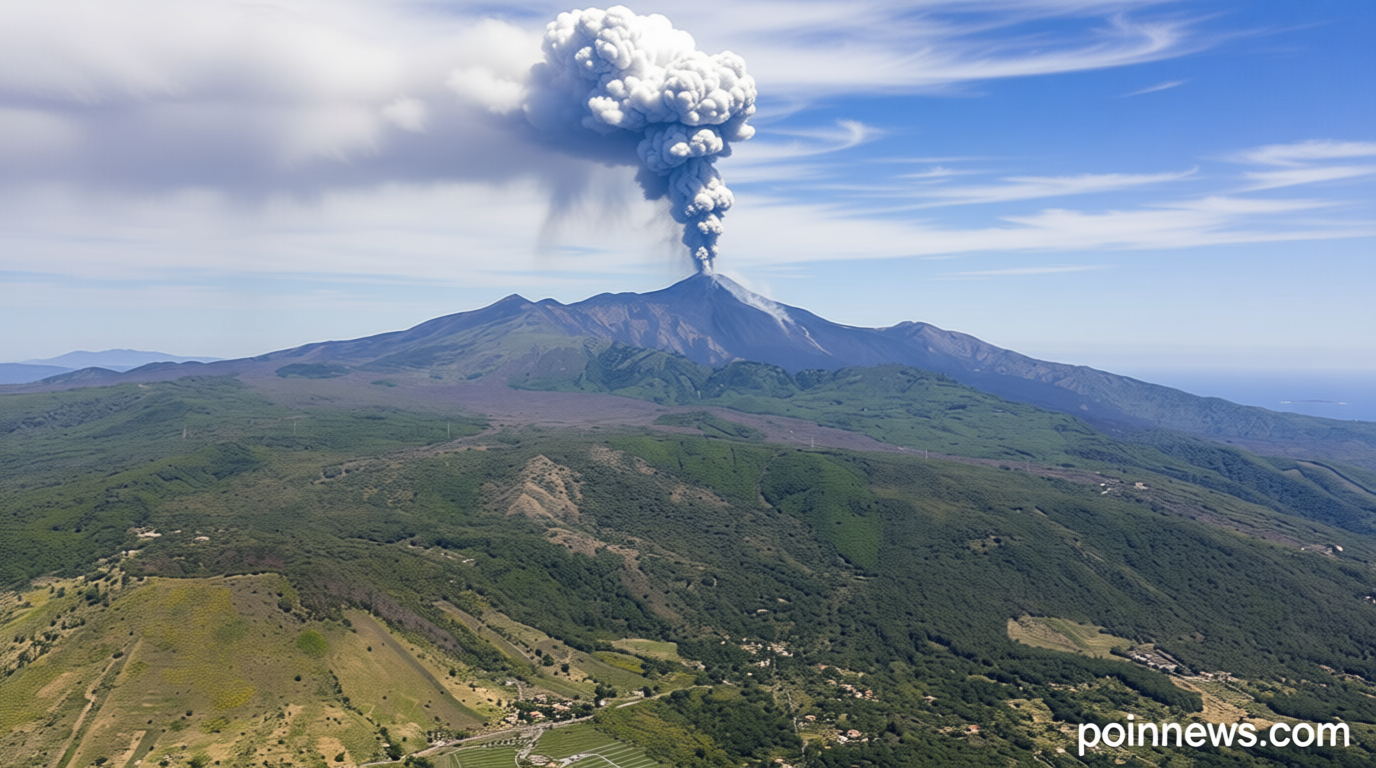
Volcanic Etna Activity Causes Flight Halts at Catania Airport
Poinews.com – Catania Airport suspends flights following volcanic activity at Mount Etna, triggering a significant disruption to air travel in Sicily. The aviation hub, located near the active volcano, has temporarily halted all incoming and outgoing flights due to the increased risk posed by recent eruptions. This decision was made after monitoring systems detected strong ash emissions and seismic activity, prompting the airport to issue a statement confirming the suspension would remain in effect until 6 p.m. CEST. Travelers are advised to stay updated with their airline’s communications or check the airport’s official website before proceeding to the terminal, as delays and cancellations are likely to persist in the coming days.
Impact of Etna’s Eruption on Regional Aviation
The suspension of flights at Catania Airport suspends flights following volcanic activity at Mount Etna has cascading effects on the broader regional transport network. On July 5th, nearly 33 flights were redirected to Palermo Airport as a temporary measure, with the airport posting a detailed list of the 24 scheduled arrivals on its Facebook page to inform passengers. This rerouting effort aims to minimize delays and ensure that stranded travelers can still reach their destinations through alternative routes. In addition to flight redirection, airlines are deploying bus services to assist passengers, offering a more flexible option for those affected by the volcanic activity.
While the immediate focus is on passenger safety, the decision to suspend flights also impacts the local economy and tourism sector. Sicily’s airports play a crucial role in connecting the island to mainland Europe and other international destinations, and the halt at Catania Airport suspends flights following volcanic activity at Mount Etna has disrupted supply chains and holiday plans. The volcanic activity, which has been escalating, is expected to continue for several days, requiring further adjustments to flight schedules. This situation highlights the vulnerability of aviation infrastructure to natural disasters, particularly in regions like Sicily where Mount Etna is a frequent source of geological unrest.
Volcanic Activity and Aviation Safety Protocols
“Strong ash emissions remain active, with the volcanic cloud reaching an altitude of roughly 4,500 metres,” stated the latest Volcano Observatory Notice for Aviation. This advisory underscores the critical need for aviation safety protocols when dealing with volcanic activity. Ash clouds from Etna can pose serious risks to aircraft engines, necessitating proactive measures such as flight route adjustments and temporary suspensions. The alert level for Mount Etna was upgraded from green to yellow on June 26th at 7:30 p.m., signaling heightened volcanic activity and prompting the Italian Department of Civil Protection to intensify monitoring efforts. The volcano’s recent behavior, including increased tremors and lava flows, has raised concerns among experts and airline operators alike.
Mount Etna, Europe’s most active volcano, has a history of unpredictable eruptions that have impacted air travel in the past. For instance, in 2021, similar volcanic activity led to widespread flight cancellations and rerouting. The current situation at Catania Airport suspends flights following volcanic activity at Mount Etna is not isolated; it reflects a pattern of eruptions that have occurred multiple times in the past decade. According to the Italian National Institute of Geophysics and Volcanology, the volcanic activity is primarily concentrated in the northeastern crater, which has been showing signs of instability. This area is particularly close to Catania Airport, making it a focal point for safety assessments and flight adjustments.
Community and Economic Response to the Disruption
The suspension of flights at Catania Airport suspends flights following volcanic activity at Mount Etna has affected not only travelers but also the local community. Businesses reliant on air transport, such as hotels, restaurants, and tourist attractions, are experiencing a decline in visitors. The airport’s decision to prioritize safety has required temporary shutdowns of critical operations, which in turn has delayed the arrival of goods and services. Despite these challenges, authorities are working to minimize long-term damage by coordinating with airlines and implementing contingency plans. For example, the airport has been using digital platforms to provide real-time updates on flight statuses, ensuring that passengers can make informed decisions about their travel arrangements.
As the volcanic activity continues, the situation at Catania Airport suspends flights following volcanic activity at Mount Etna remains under close watch. The Italian Department of Civil Protection has deployed additional personnel to monitor the volcano’s movements, while meteorologists are analyzing the ash cloud’s spread to predict its impact on future flights. This coordinated response highlights the importance of preparedness in managing natural disasters. However, the suspension of flights at Catania Airport suspends flights following volcanic activity at Mount Etna also underscores the need for improved communication strategies to keep travelers informed and reduce panic. The airport is expected to resume operations once the volcanic activity subsides, but the exact timeline remains uncertain.
Broader Implications for Sicilian Travel and Infrastructure
The ongoing suspension of flights at Catania Airport suspends flights following volcanic activity at Mount Etna has broader implications for Sicily’s transportation infrastructure. As a key gateway for the island, Catania Airport handles a significant portion of regional and international travel. The recent disruptions have forced airlines to adapt their schedules and reroute flights, demonstrating the resilience of the aviation industry in the face of natural challenges. However, the frequency of such events raises questions about long-term planning and the development of more robust contingency measures. Experts suggest that investing in advanced volcanic monitoring systems and expanding alternative transport networks could help mitigate the impact of future eruptions on travel and commerce.
While the immediate concern is safety, the long-term effects of the volcanic activity on Catania Airport suspends flights following volcanic activity at Mount Etna may lead to permanent changes in flight operations. The airport’s proximity to Etna means that any significant eruption could result in extended flight suspensions, prompting airlines to reassess their routes and schedules. The situation also serves as a reminder of the delicate balance between natural phenomena and human infrastructure. As the volcanic activity continues, the aviation sector remains on high alert, with the focus keyword “Catania Airport suspends flights following volcanic activity at Mount Etna” being a central theme in the ongoing response. This event is likely to be remembered as a pivotal moment in Sicily’s recent aviation history, emphasizing the need for adaptive strategies in volatile environments.