‘Not normal’: Belgian fans react to FIFA’s Balogun red-card U-turn
Not Normal: Belgian Fans React to FIFA's Balogun Red-Card U-Turn Not normal - When FIFA's decision to reverse the red card given to Folarin Balogun during

Not Normal: Belgian Fans React to FIFA’s Balogun Red-Card U-Turn
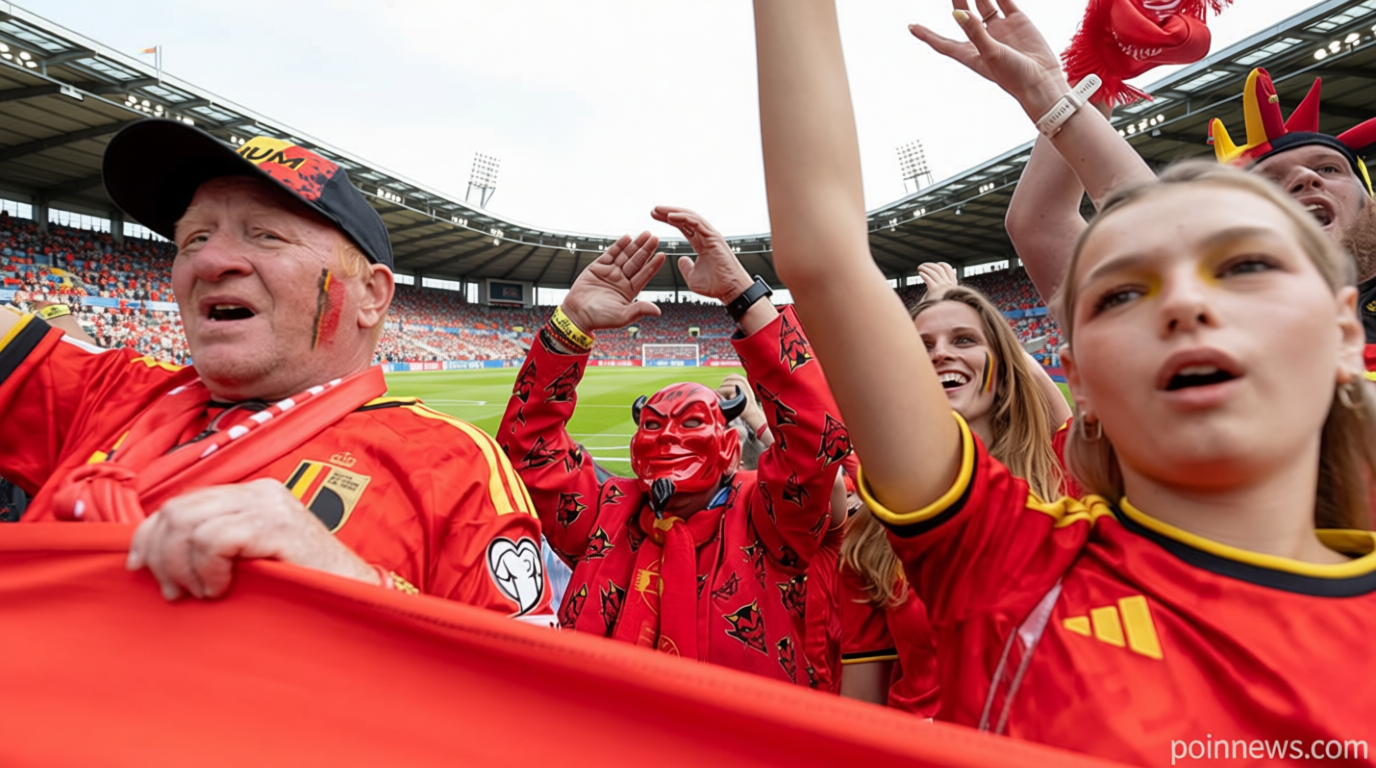
Poinews.com – When FIFA’s decision to reverse the red card given to Folarin Balogun during Belgium’s World Cup clash with the USA sparked outrage, Belgian football fans took to social media and public spaces to voice their frustration. The move, which many described as ‘not normal,’ left supporters questioning the integrity of the governing body’s disciplinary process. The reversal, announced hours before the critical round-of-16 match, ignited a wave of criticism, with fans arguing that the change undermined the fairness of the game and highlighted inconsistencies in how red cards are applied across different teams.
The Controversial Red Card U-Turn
The incident occurred in the 78th minute of Belgium’s 2-1 victory over the United States in the 2026 World Cup. Referee Gérard Balogun had initially shown a red card to USA defender Aleem Folarin for a cynical foul, but FIFA later overturned the decision, citing ‘insufficient evidence’ and ‘a lack of consistency in the application of the rules.’ This U-turn, which occurred just 48 hours before the match, left fans in disbelief and raised eyebrows about the transparency of FIFA’s officiating reviews. The focus keyword ‘not normal’ became a rallying cry, as supporters emphasized that the reversal felt like an unfair advantage for the USA.
Belgian fans argued that the red card was a pivotal moment in the match, as it left their team with a numerical disadvantage in the final 12 minutes. Social media platforms erupted with hashtags like #NotNormal and #FIFAUnfair, as fans shared videos of their reactions and debated the implications of the decision. Many highlighted that the same type of foul, if committed by a Belgian player, would likely result in a red card without hesitation. This disparity, they claimed, was a clear example of ‘not normal’ decision-making by FIFA.
Belgian Fans’ Outcry and Growing Concerns
The backlash was immediate and widespread. In Brussels, fans gathered at the stadium and in city centers, holding signs that read ‘Not Normal’ and ‘FIFA Needs to Be Held Accountable.’ Some fans even compared the reversal to a political decision, suggesting that external pressures—such as the involvement of US President Donald Trump—might have influenced the outcome. ‘It’s not just a football decision; it’s a statement about who gets punished and who doesn’t,’ one supporter tweeted, reflecting the broader sentiment.
Additionally, the incident sparked a discussion about the role of referees and the need for stricter oversight. Fans pointed out that the reversal could create confusion among players and teams, leading to a potential erosion of trust in the refereeing system. ‘When a red card is shown, it’s a game-changer, and FIFA should act quickly to correct mistakes—not wait until the last minute,’ said a fan in an online forum. The ‘not normal’ narrative gained traction as supporters called for greater accountability and transparency in FIFA’s decision-making process.
Amid the uproar, some fans expressed disappointment in Belgium’s players for not capitalizing on the chance to score a goal in the final moments of the match. ‘We had a chance to win, and now FIFA is giving the USA a lifeline,’ one fan lamented. Others, however, remained focused on the broader implications, stating that the reversal could set a dangerous precedent for future matches. ‘If FIFA can reverse a red card for the USA, what’s stopping them from doing the same for other teams?’ asked a supporter in a live broadcast. These concerns underscored the growing perception that the decision was ‘not normal’ and unfair.
As the World Cup progressed, the ‘not normal’ debate continued to resonate among fans and analysts. The reversal of Balogun’s red card became a symbol of the tension between political influence and on-field fairness. While some criticized FIFA for its inconsistent rulings, others praised the decision as a necessary correction. Regardless of the perspective, the incident highlighted how deeply fans care about the integrity of the game and how a single call can spark a storm of reactions. With the tournament reaching its climax, the ‘not normal’ sentiment served as a reminder that football’s governing body must strive for transparency to maintain its credibility.