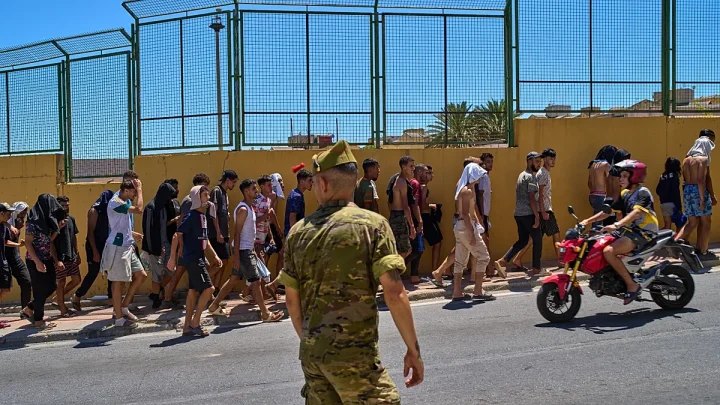
EU discusses extra financial support for Spain after record Ceuta migrant surge
The European Union is actively discussing extra financial support for Spain following an unprecedented migration crisis in Ceuta. On Thursday, Guillaume

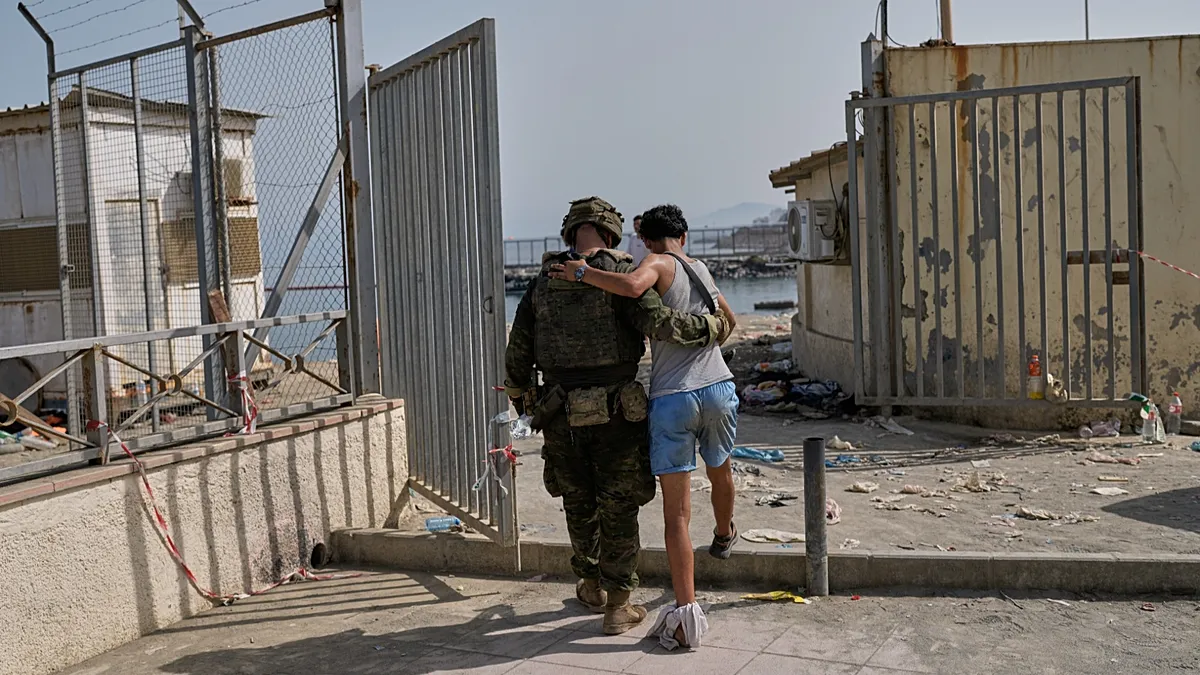
EU Discusses Extra Financial Support After Ceuta Migrant Surge
Brussels and Madrid Accelerate Financial Talks
Poinews.com – The European Union is actively discussing extra financial support for Spain following an unprecedented migration crisis in Ceuta. On Thursday, Guillaume Mercier, a spokesperson for the European Commission, confirmed that discussions between Madrid and Brussels are progressing rapidly regarding supplementary monetary assistance. This critical development comes after a record-breaking event last week when approximately 72,000 people crossed from Morocco into the Spanish territory. Mercier noted that the EU institution received Spain’s initial needs assessment on Wednesday, marking a significant step toward coordinated action.
Technical conversations between the two parties took place earlier in the week, and Brussels is now carefully examining the comprehensive evaluation. Mercier explained the process clearly: “Then, the next step will be actually for Spain to make an application and submit formally to the Commission.” The potential financial package could provide crucial assistance with border control infrastructure and services, alongside medical and humanitarian help for residents affected by the surge. This collaborative approach demonstrates the EU’s commitment to supporting member states during migration emergencies.
Humanitarian Needs and Remaining Migrants
According to reports from Spanish authorities on Monday, roughly 70,000 people have already returned to Morocco since the tragic incident. That devastating event claimed at least 88 lives, highlighting the human cost of the migration wave. Nevertheless, Juan Vivas, the head of Ceuta, indicated that approximately 5,000 people are still present in the territory, among them 860 children without guardians. These vulnerable populations require immediate attention and sustained support from both national and European institutions.
Potential funding could be utilized for temporary housing, nourishment, healthcare staff, and other essential services based on what Spain requests from Brussels. Mercier pointed out that the EU recognizes a requirement for more backing “in view of the current situation.” Neither the final application nor the specific sum sought has been settled yet, as technical teams continue their work. The EU’s response mechanism is designed to provide flexible assistance tailored to each member state’s unique circumstances.
EU Commissioner Confirms Available Funds
During a special session held on Tuesday regarding the ongoing migration emergency, Magnus Brunner, the EU Commissioner responsible for Internal Affairs and Migration, verified that substantial resources are available for immediate deployment. The Commissioner emphasized that the EU has established financial instruments specifically designed to address sudden migration pressures across member states. These funds can be accessed through established procedures that allow for rapid disbursement when needed most.
The financial support being discussed represents a significant commitment from the European Union to help Spain manage this historic migration challenge. Spanish officials have been working closely with EU counterparts to ensure that any assistance provided addresses the most pressing needs on the ground. This includes not only immediate humanitarian concerns but also longer-term solutions for managing border crossings and supporting migrant integration.
Looking Ahead: What Comes Next
As discussions continue between Brussels and Madrid, several key questions remain regarding the scope and timeline of the financial package. Spain will need to formalize its application, detailing specific needs and proposed uses for the funds. The EU Commission will then review the proposal and determine the appropriate level of support based on available resources and precedent from previous migration emergencies.
The situation in Ceuta continues to evolve, with both Spanish and Moroccan authorities working to manage the flow of people across the border. International organizations and humanitarian groups are also mobilizing to provide additional support where needed. The EU’s decision on financial assistance will likely influence broader migration policy discussions across the continent.
“The EU recognizes a requirement for more backing in view of the current situation,” said Mercier, highlighting the institution’s readiness to respond to Spain’s needs.
Frequently Asked Questions
How many people crossed into Ceuta during the recent surge?
Approximately 72,000 people crossed from Morocco into the Spanish territory of Ceuta during the record-breaking migration event last week.
What is the estimated death toll from the incident?
The tragic incident claimed at least 88 lives, according to Spanish authorities.
How many migrants remain in Ceuta after the returns?
Approximately 5,000 people are still present in Ceuta, including 860 unaccompanied children.
What type of financial support is the EU considering?
The EU is discussing extra financial support that could cover border control tools, medical services, humanitarian assistance, temporary housing, and other essential services for migrants in Ceuta.
When will Spain submit its formal application?
Spain is expected to submit its formal application to the European Commission in the coming days, following the initial needs evaluation already received.