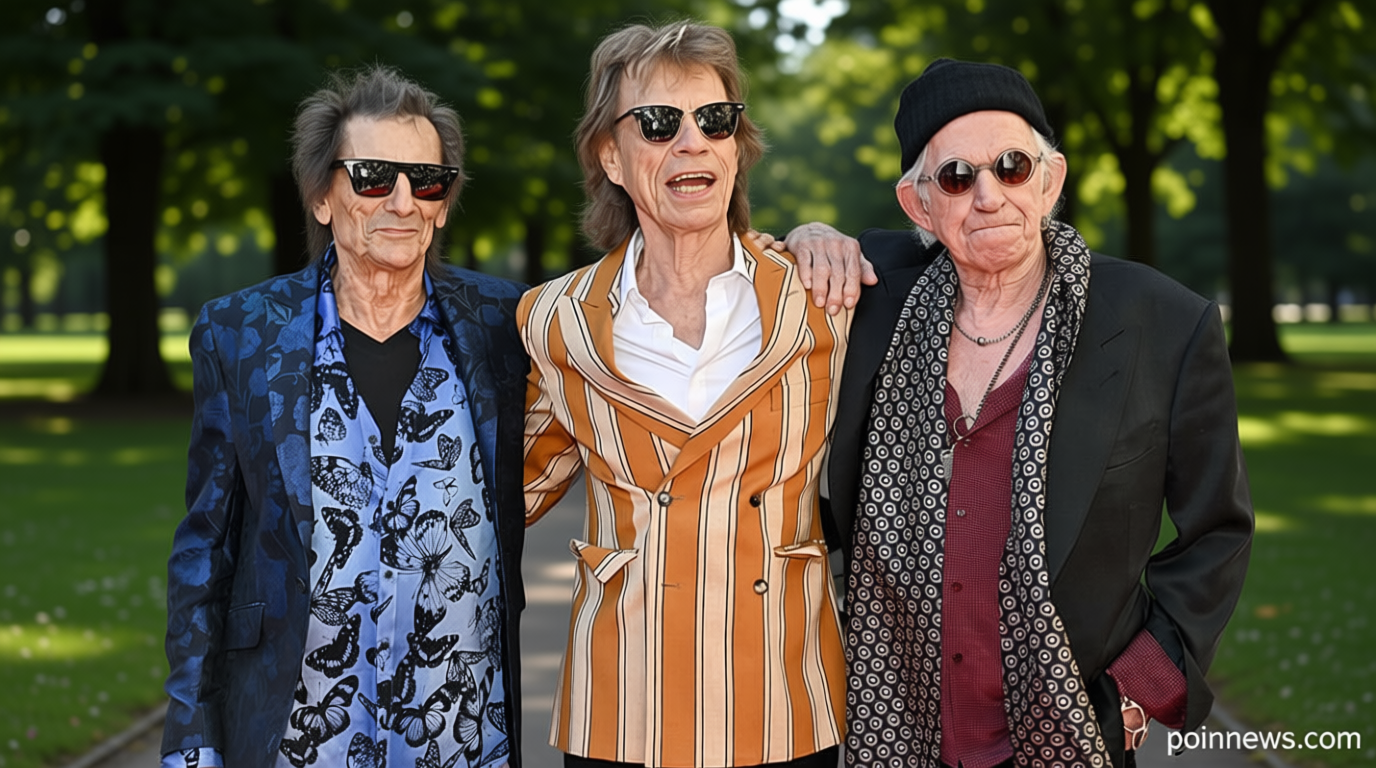
Forgiving or forgetting? Why the Met Gala’s choice to honour John Galliano is so controversial
Forgiving or forgetting Why the Met Gala's decision to honor John Galliano has ignited fierce debate across the fashion world. Before the spring 2027 Met Gala

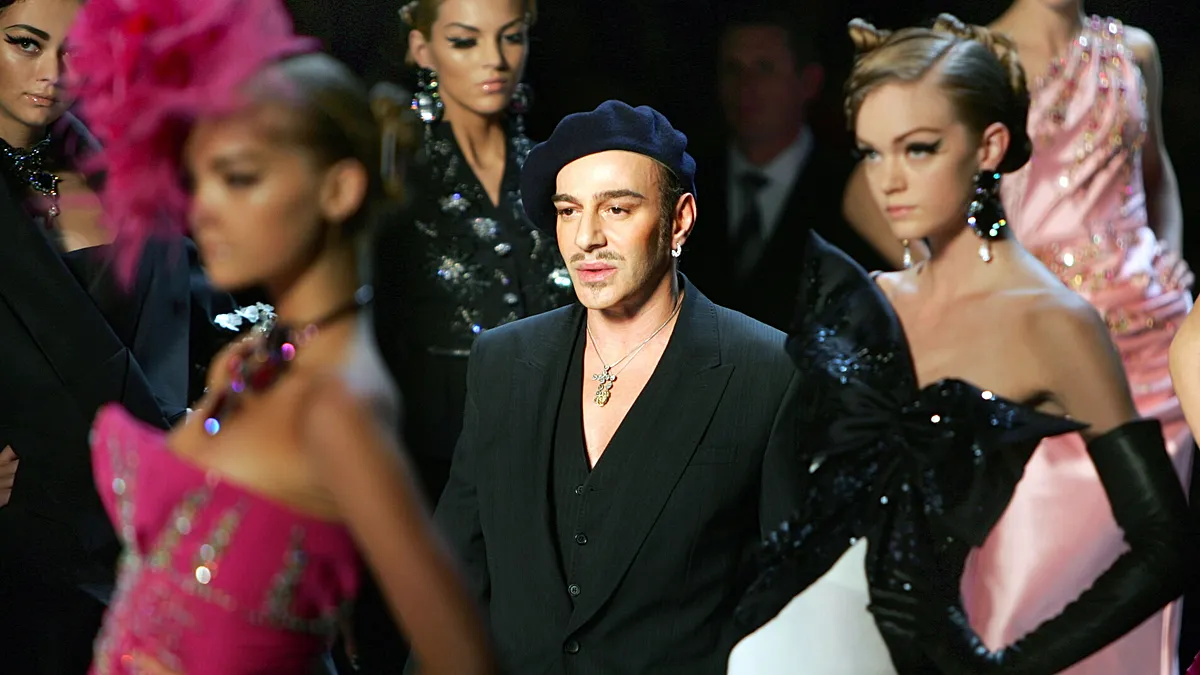
Forgiving or Forgetting: Met Gala’s Galliano Honor Sparks Debate
Poinews.com – Forgiving or forgetting Why the Met Gala’s decision to honor John Galliano has ignited fierce debate across the fashion world. Before the spring 2027 Met Gala arrives, whispers of disagreement have already begun circulating. On July 31, the Metropolitan Museum of Art’s Costume Institute unveiled plans for an exhibition honoring British design icon John Galliano. The showcase, named “John Galliano: Horizons,” will trace his remarkable journey through decades of fashion history. The gala itself will adopt Galliano as its central motif. Yet this announcement has sparked immediate pushback from various corners of entertainment and culture.
The tension stems largely from Galliano’s past. While his tenure at prestigious houses like Givenchy and Dior cemented his reputation, he remains equally remembered for inflammatory remarks that resulted in a 2011 hate crime conviction. Forgiving or forgetting Why the Met chose to celebrate him remains the core question dividing fashion insiders.
From Gibraltar to Global Stardom
Galliano’s origins trace back to Gibraltar. His family relocated to Britain when he was six years old. He subsequently enrolled at Central Saint Martins, graduating in 1984. Even before launching his professional career, his credentials were impressive. His final year collection, called “Les Incroyables,” drew inspiration from aristocratic indulgence during the post-Reign of Terror period. British retailer Browns purchased the entire collection.
Anna Wintour, then Vogue editor and a regular Met Gala presence, provided crucial support. This assistance propelled Galliano to prominence in Paris during the early 1990s. By 1994, he became Givenchy’s head designer, marking the first time a British native led a major French fashion house. LVMH transferred him to Dior in 1996, and his trajectory skyrocketed from there.
Among his most celebrated creations is the Dior saddle bag, which achieved legendary status partly through its appearance on Carrie Bradshaw in “Sex and the City.” By the dawn of the 2000s, Galliano had firmly embedded himself within popular culture.
A Fall from Grace and Subsequent Rehabilitation
His meteoric rise encountered turbulence shortly before the autumn/winter 2011 Paris Fashion Week. Surveillance cameras captured Galliano delivering a string of racist and antisemitic comments to a couple at a Parisian café. At one moment, he was heard declaring: “I love Hitler.”
Dior terminated his contract immediately. The court later convicted him of public insults targeting origin, religion, race, or ethnicity. The state prosecutor described these remarks as “pitiful and dreadful.”
Despite Galliano’s defense that he was emotionally vulnerable following a close friend’s passing, the judge imposed a €6,000 fine. Nevertheless, his reputation began recovering by 2013. Wintour arranged a temporary position at Oscar de la Renta’s studio ahead of New York Fashion Week that autumn. Critics praised his theatrical flair within de la Renta’s ready-to-wear line.
His career continued upward. In 2014, Galliano assumed the creative director position at Maison Margiela, a role he maintained until 2024. This past March, he entered into a two-year creative collaboration with Zara. Now 65 years old, Galliano has repeatedly expressed remorse for his earlier behavior, attributing it to struggles with alcohol and drugs. Numerous Jewish community leaders have acknowledged his sincerity.
Debate Over Redemption and Recognition
Before finalizing the “Horizons” exhibition, Wintour and Costume Institute curator Andrew Bolton engaged in discussions with multiple Jewish organizations. Representatives from the Anti-Defamation League and the Union for Reform Judaism all approved the decision.
“There is no one more deserving of an exhibition of this scale than John Galliano,” Wintour stated. “He’s a great designer and his career isn’t defined by a moment – something that he will live with for the rest of his life.”
Despite this endorsement, questions persist regarding whether Galliano deserves such elevated status. He becomes only the third living designer to receive a solo Costume Institute exhibition, following Yves Saint Laurent in 1983 and Rei Kawakubo in 2017. These concerns feel particularly acute given rising antisemitism across Europe and the United States.
Jonathan Greenblatt, head of the Anti-Defamation League, emphasized to Page Six that the responsibility now extends beyond symbolic gestures: “As the decision is made, now it’s on the Met and partners, not with token gestures around one exhibit, but with real action against antisemitism.”
Additional scrutiny has emerged from author and fashion journalist Dana Thomas. In a New York Times editorial, she highlighted lesser-known incidents from Galliano’s past, ranging from confrontational behavior to an episode where he was expelled from London’s Ritz hotel after removing his clothes, taking over an elevator, and refusing to leave until staff called security.
FAQ: Understanding the Controversy
What is the Met Gala’s connection to John Galliano? The Met Gala will serve as the centerpiece for the “John Galliano: Horizons” exhibition, making Galliano both the subject of the showcase and the event’s central motif.
Why is Forgiving or forgetting Why the Met chose Galliano controversial? The controversy centers on whether Galliano’s contributions to fashion outweigh his 2011 hate crime conviction for antisemitic and racist remarks made in a Parisian café.
Have Jewish organizations supported the Met’s decision? Yes. Representatives from the Anti-Defamation League and the Union for Reform Judaism all approved the decision after discussions with Anna Wintour and curator Andrew Bolton.
What has Galliano done since his conviction? Galliano has maintained his position at Maison Margiela until 2024, entered a two-year creative collaboration with Zara in March 2026, and has publicly attributed his past behavior to struggles with alcohol and drugs.
How does this compare to previous Met Gala honorees? Galliano becomes only the third living designer to receive a solo Costume Institute exhibition, following Yves Saint Laurent in 1983 and Rei Kawakubo in 2017.