400,000-year-old intact cave found in Israel sheds light on pre-Neanderthal era
400,000-Year-Old Intact Cave Unearthed in Israel Illuminates Pre-Neanderthal Era 400 000 year old intact cave - Excavations in a remote cave near the Zichron

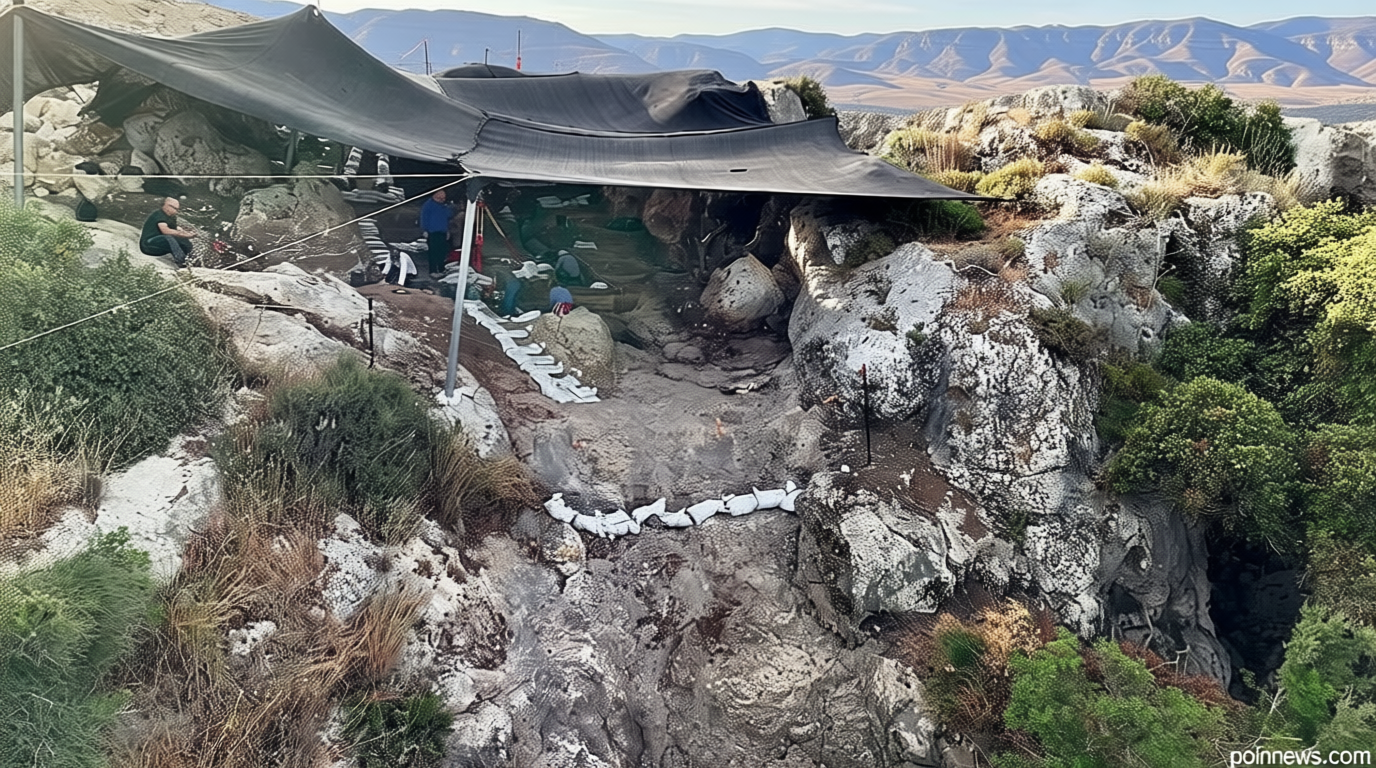
400,000-Year-Old Intact Cave Unearthed in Israel Illuminates Pre-Neanderthal Era
Poinews.com – Excavations in a remote cave near the Zichron Yaakov junction have revealed a 400,000-year-old intact site, marking a groundbreaking discovery for archaeologists. This remarkable find, untouched for millennia, is believed to date between 400,000 and 250,000 years, offering unprecedented insights into early human societies. Researchers from the Israel Antiquities Authority and the University of Haifa are meticulously analyzing the cave’s contents, which may redefine our understanding of pre-Neanderthal life in the region. The site’s exceptional preservation has drawn comparisons to other significant archaeological locations, making it a focal point for scholars studying human evolution.
Significance of the Discovery
The 400,000-year-old intact cave is considered a crucial window into the late Lower Palaeolithic period, a time when early human populations were developing complex social and technological behaviors. Unlike many caves that have been disturbed over time, this site remains largely undisturbed, preserving artifacts and organic materials that could otherwise have been lost. Such a “time capsule” provides invaluable data about the daily activities, diets, and environmental adaptations of these ancient groups. The find is particularly significant as it bridges gaps in the archaeological record, offering a rare glimpse into the evolution of human culture in the Levant.
“This 400,000-year-old intact cave represents a critical piece of the puzzle in understanding how early humans evolved,” says Dr. Tali Oren. “It’s one of the few sites where we can observe a continuous sequence of habitation and tool use.”
Experts highlight that the cave’s intact state allows for a detailed analysis of both material culture and ecological conditions. The site’s unique preservation suggests that it was not only a shelter for early populations but also a site of sustained activity, with evidence pointing to long-term occupation and resource management. This challenges previous assumptions about the nomadic nature of pre-Neanderthal groups and highlights the complexity of human behavior during this transitional period.
Archaeological Findings and Tools
The excavation has uncovered a wealth of artifacts, including flint tools, animal remains, and traces of water, all of which contribute to the understanding of life in this 400,000-year-old intact cave. Flint tools, ranging from hand axes to cutting blades, indicate advanced stone-working techniques for their time. These tools, combined with animal bones from species like horses and deer, suggest that the cave was used for hunting and food processing. Additionally, the presence of water sources in the cave’s vicinity implies that it served as a strategic location for early humans seeking both shelter and sustenance.
“The tools found in the 400,000-year-old intact cave demonstrate a level of innovation that was previously underestimated,” adds Dr. Liora Bar-Yosef. “They reveal how these groups were adapting to their surroundings and developing new survival strategies.”
Further analysis of the cave’s sediment layers has provided clues about the climate and environment during the site’s occupation. Researchers are using radiometric dating to pinpoint the exact timeline of human activity, while microscopic studies of plant and animal remains are shedding light on dietary habits and resource availability. The cave’s intact condition ensures that these findings remain in their original context, allowing for a more accurate reconstruction of pre-Neanderthal life.
Environmental Context and Climate Insights
The location of the 400,000-year-old intact cave is not just significant for its archaeological value but also for its environmental context. Situated in a region that has undergone dramatic climatic changes over millennia, the cave may have provided a stable microclimate for early human populations. By studying the cave’s layers, scientists can trace shifts in temperature, humidity, and vegetation, offering a broader picture of the ecological challenges these groups faced. This interdisciplinary approach—combining archaeology with environmental science—enhances the cave’s importance as a site for understanding human adaptation.
“The cave’s preservation gives us a rare chance to study both human activity and the environment side by side,” explains Prof. Naomi Kessel. “This helps us see how early humans responded to changing conditions.”
Researchers are also examining the cave’s connection to other sites in the area, such as the well-known Nahal Me’arot region. While the 400,000-year-old intact cave is younger, it may fill a gap in the timeline of human settlement in the Levant. Its discovery has prompted renewed interest in the region’s prehistoric past and could lead to more excavations that uncover similar sites, further enriching the archaeological record.
Implications for Human Evolution
The 400,000-year-old intact cave is expected to provide new data on the transition from early hominins to more advanced human species. By comparing the tools and remains found here with those from other sites, scientists can identify evolutionary trends and cultural developments. The cave’s intact state means that artifacts are less likely to have been moved or altered, allowing for a more precise analysis of their use and function. This could reveal how early humans were organizing their societies, sharing knowledge, and improving their survival techniques.
“The 400,000-year-old intact cave is a treasure trove for understanding the cognitive and social evolution of early humans,” remarks Dr. Yaron Rabinovich. “It challenges existing models and forces us to rethink what we know about this era.”
As the research continues, the cave’s findings may also contribute to debates about the origins of language, art, and symbolic behavior. The site’s potential to yield such insights underscores its importance in the broader narrative of human evolution. With ongoing studies, the 400,000-year-old intact cave could become a key reference point for future archaeological discoveries in the region.