Who gets a seat at the table? UN climate talks slammed over visa delays and shrinking civic space
Who Gets a Seat at the Table? UN Climate Talks Face Criticism Who gets a seat at the table?

Who Gets a Seat at the Table? UN Climate Talks Face Criticism
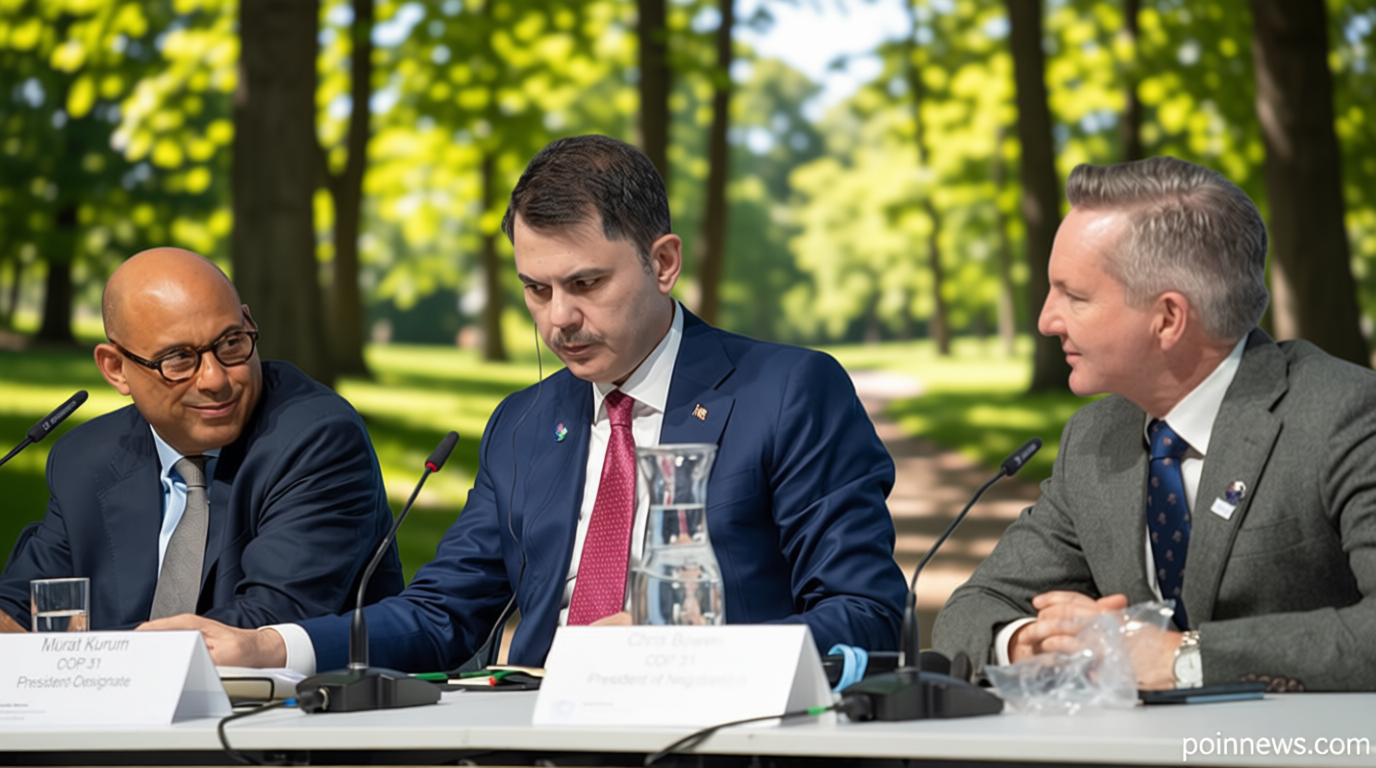
Poinews.com – Who gets a seat at the table? This question has taken center stage in recent discussions surrounding the 64th meeting of the Subsidiary Bodies (SB64) under the United Nations Framework Convention on Climate Change (UNFCCC), held in Bonn, Germany. As global leaders convene to tackle climate challenges, concerns are mounting over who is being included in these high-stakes negotiations and who is being left behind. With talks scheduled from 8 to 18 June, the event aims to address critical issues like adaptation strategies, energy transitions, and sustainable food systems. Yet, critics argue that the process is becoming increasingly exclusive, sidelining voices from the communities most affected by climate change.
The Exclusion of Vulnerable Nations
The UN climate process has long been criticized for prioritizing developed nations and corporate interests over those from the Global South. At SB64, this pattern has intensified, with representatives from poorer countries facing significant barriers to participation. Mohamed Adow, founder of Power Shift Africa, highlighted the growing inequities, stating that those with the least resources are the most impacted by climate change but often have the hardest time securing a platform to share their perspectives. “Climate negotiations influence billions of lives, yet many cannot attend because of visa delays, high travel costs, and limited funding for civil society,” Adow explained. This exclusion risks creating a disconnect between the policies being debated and the realities faced by the most vulnerable populations.
“Civil society briefings are essential for transparency and public accountability. When these briefings are cut back, it undermines the trust that climate agreements aim to build,” said Dr. Ke Rafitoson, Executive Director of the Resource Justice Network. His comments underscore the importance of inclusive dialogue in shaping equitable climate solutions. Yet, as the number of fossil fuel lobbyists has surged, the balance of power in these talks has shifted, raising concerns about the future of climate justice.
The Growing Influence of Fossil Fuel Advocates
While climate action remains a top priority, the composition of attendees at SB64 has drawn scrutiny. A 2025 report by the Kick Big Polluters Out (KBPO) coalition revealed that fossil fuel lobbyists accounted for 4% of COP30 participants—a 12% increase from the 2024 Baku summit. This trend has continued at SB64, with the highest concentration of such advocates recorded since the coalition began tracking in 2021. The UNFCCC has not yet responded to questions about the current number of fossil fuel representatives at the Bonn meeting, but their presence highlights a broader tension: the increasing dominance of industry interests in shaping climate policy.
Many observers argue that the inclusion of fossil fuel lobbyists has slowed progress on ambitious goals like phasing out coal and oil. For instance, the lack of direct participation from African and Pacific delegates, who are disproportionately impacted by climate change, has been cited as a key issue. Baboucarr Nyang of CAN Africa noted that while controlled settings are necessary for productive discussions, the denial of visas to delegates from developing nations creates a “quiet room” effect. “When the room is closed to those who need to speak the most, it’s not just about exclusion—it’s about eroding the democratic foundation of these talks,” Nyang warned.
These challenges are not isolated to SB64. Over the past decade, the UN climate process has seen a steady decline in civic engagement. With fewer slots for civil society groups like the Climate Action Network (CAN) to present their findings, the flow of information from grassroots movements to policymakers has been disrupted. CAN has provided daily press briefings for over 30 years, but its reduced presence at Bonn has sparked debate about the UN’s commitment to inclusive dialogue. Advocates stress that without robust civic participation, the climate negotiations risk becoming a closed-door affair, where decisions are made without full public scrutiny.
The debate over who gets a seat at the table has also sparked calls for systemic reforms. Some experts suggest that increasing funding for civil society organizations, streamlining visa processes for delegates from low-income countries, and expanding media access could help level the playing field. Others argue that the UN must actively create space for marginalized voices, ensuring that their concerns are not just heard but prioritized. As the climate crisis accelerates, the question of access will likely remain a central point of contention in future negotiations, shaping the trajectory of global climate action for years to come.