Defying Russia: Poland and Germany plan massive offshore wind farms in the Baltic Sea
a with Baltic Offshore Wind Farms Defying Russia - In response to growing geopolitical tensions, Poland and Germany are making bold strides in the Baltic Sea

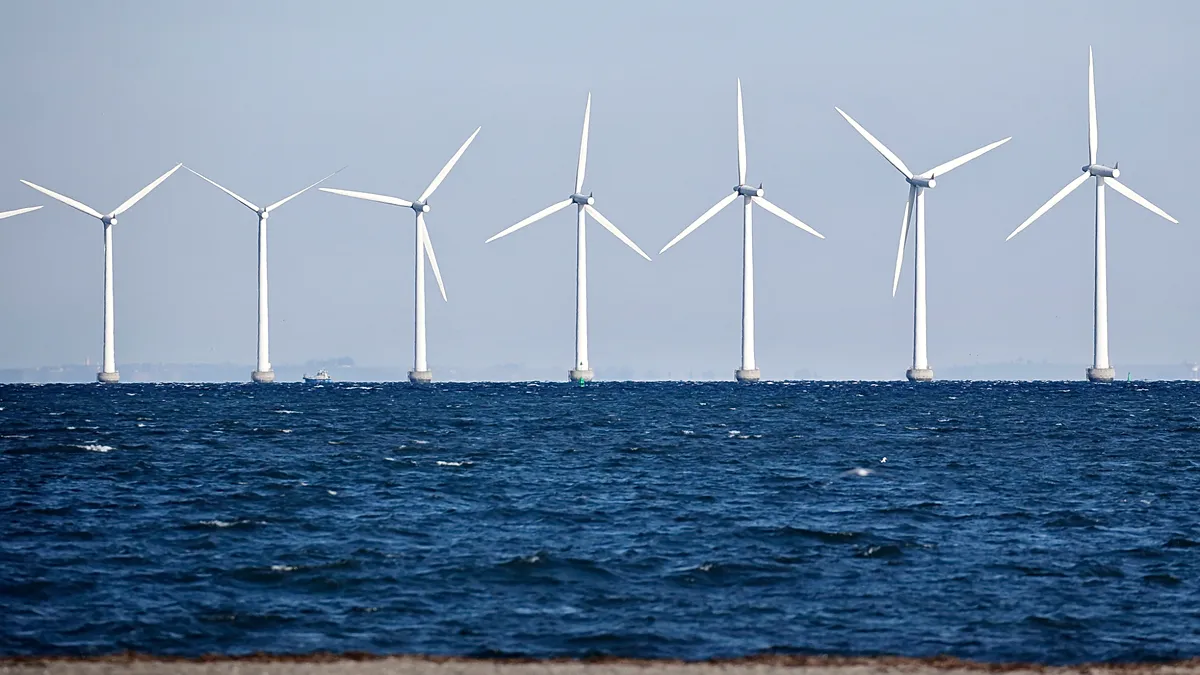
Poland and Germany Defy Russia with Baltic Offshore Wind Farms
Poinews.com – In response to growing geopolitical tensions, Poland and Germany are making bold strides in the Baltic Sea by expanding offshore wind energy projects. This initiative, driven by the need to reduce reliance on Russian energy imports, marks a significant shift in their energy strategies. As the region faces mounting pressure to diversify its energy sources, the joint efforts of these two nations highlight a shared determination to break free from Russian influence and bolster Europe’s renewable energy infrastructure.
Energy Independence as a Priority
The decision to accelerate offshore wind farm development stems from the escalating energy crisis and the desire for greater independence from Russian supply chains. With the war in Ukraine and ongoing conflicts in the Middle East disrupting energy markets, both countries have prioritized projects that can secure long-term energy stability. By investing in the Baltic Sea’s vast potential for wind energy, Poland and Germany aim to strengthen their energy security while contributing to the EU’s broader green energy goals. This approach not only defies Russia’s dominance but also aligns with the continent’s commitment to decarbonizing its power grid.
Germany’s Transition and Poland’s Ambition
Germany, which has been transitioning from nuclear power to renewables, is now focusing on offshore wind as a key component of its energy future. However, its progress in the Baltic Sea has been slower compared to its North Sea counterparts. Meanwhile, Poland has emerged as a more aggressive player in the region, with several large-scale offshore wind projects in the pipeline. The two nations’ collaboration is a strategic move to counter Russian energy leverage, as both face challenges in maintaining stable energy supplies amid international disruptions.
“Every crisis also presents an opportunity.”
Strategic Collaboration and Shared Goals
The 4th German-Polish Energy Transition Forum in Berlin underscored the importance of cross-border cooperation in achieving energy independence. Polish officials have repeatedly emphasized that the country’s economic resilience, despite European stagnation, positions it well to lead in renewable energy expansion. With a projected real GDP growth of 3.3 to 3.5 percent in 2026, Poland is leveraging its economic strength to drive infrastructure projects. German experts, such as Dr. Elmar Stracke from the BDEW, have acknowledged the need for Poland to take the lead, noting that the country’s rapid progress in wind energy is a testament to its commitment to defying Russian energy dominance.
Progress in Infrastructure and Timeline
Poland’s energy sector is making tangible progress, with its first offshore wind farm nearing completion and set to power thousands of households by late 2026. This milestone is part of a broader plan to expand renewable capacity, including projects like Baltic 3 and Baltic 9+, which are expected to significantly increase the country’s energy self-sufficiency. German firms are playing a key role in this expansion, acting as suppliers and developers. While Germany’s Baltic projects, such as Baltic 1 and Baltic 2, have been operational for some time, they remain a smaller part of the overall strategy compared to Poland’s ambitious scale.
“We need the right infrastructure. In twenty years, it will work very well.”
Geopolitical Implications and Long-Term Vision
The offshore wind farms in the Baltic Sea are more than just energy projects—they are symbols of defiance against Russian geopolitical influence. By developing this region’s renewable resources, Poland and Germany are not only securing their own energy needs but also sending a clear message to Russia about their resolve to reduce dependency. These projects are expected to create jobs, stimulate local economies, and enhance Europe’s energy resilience. As the two nations continue to work together, their collaborative approach could serve as a model for other countries seeking to break free from Russian energy ties, reinforcing the importance of unity in the face of external pressures.
Challenges and Future Prospects
Despite the progress, challenges remain. Spatial planning, regulatory hurdles, and funding are critical factors that could impact the pace of development. However, the long-term vision for the Baltic Sea as a renewable energy hub is gaining momentum. Both Poland and Germany are investing heavily in research, technology, and infrastructure to overcome these obstacles. As the projects scale up, they are projected to contribute significantly to the EU’s target of achieving climate neutrality by 2050. The success of these initiatives will depend on sustained political will, technological innovation, and a shared commitment to defying Russia’s energy grip on Europe. This partnership could redefine the region’s energy landscape, offering a sustainable and resilient alternative to fossil fuel dependence.