Spain extends Almaraz nuclear plant operations to 2030, delaying closure by three years
On Friday, the Spanish administration confirmed that the Almaraz nuclear facility will continue functioning until June 8, 2030. This decision follows a formal

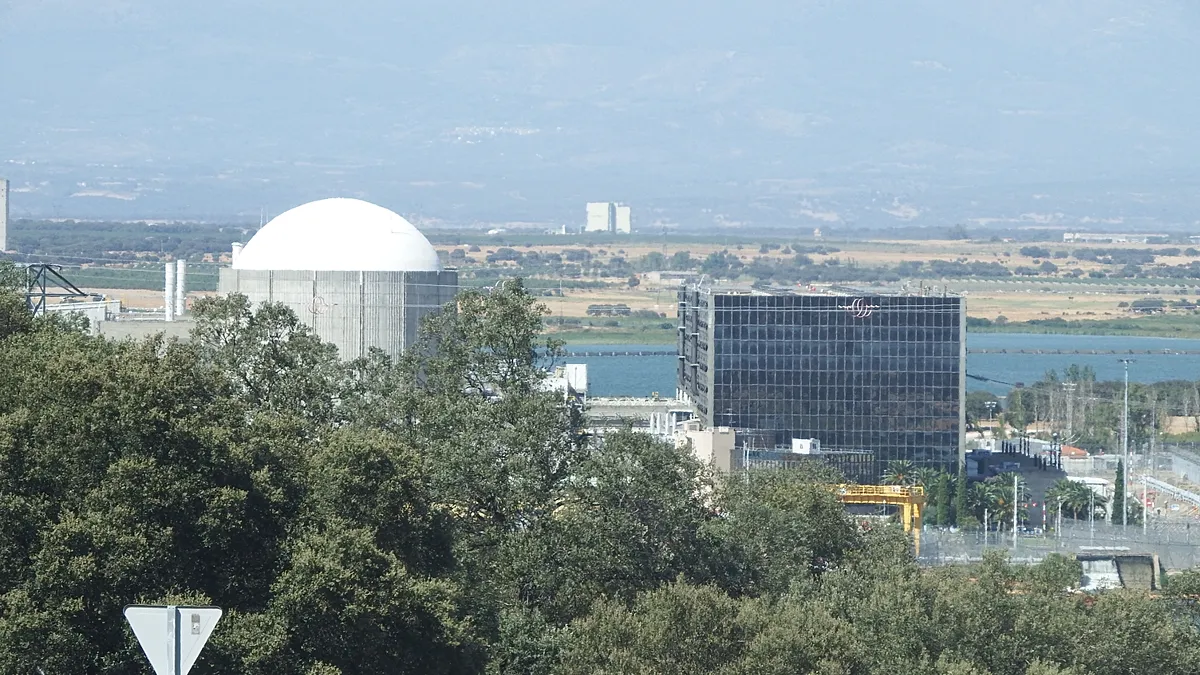
Table of Contents
Spain Pushes Back Almaraz Nuclear Plant Closure to 2030
Poinews.com – On Friday, the Spanish administration confirmed that the Almaraz nuclear facility will continue functioning until June 8, 2030. This decision follows a formal request submitted by the plant’s owners during the previous autumn. Consequently, the scheduled shutdown of its two reactors in the Extremadura region is delayed by three years. The official decree was published in the Official State Gazette, issued by the Ministry for Ecological Transition.
Historically, Almaraz ranks as the nation’s top electricity producer, contributing approximately seven percent to the country’s total output. Under the 2019 accord between energy firms and the state, Unit 1 was set to cease operations in November 2027, while Unit 2 followed in October 2028. Following the widespread power outage across the Iberian Peninsula in April 2025, nuclear energy regained prominence in national discussions.
European and Political Context
The current coalition, comprising Podemos and later Sumar, had previously advocated for an accelerated phase-out of all seven Spanish reactors by 2035. Their initial plan targeted Almaraz I for late 2027 and Almaraz II for late 2028, with other plants closing between 2030 and 2035. However, ownership groups shifted their stance, ultimately seeking the three-year reprieve.
International scrutiny has intensified recently. In February 2026, a group of ten Members of the European Parliament, headed by Petitions Committee Chair Bogdan Rzońca (ECR), toured the site. This trip responded to a local petition signed by thousands of residents, farmers, and officials opposing the shutdown.
“At last we can breathe again and see light”
Bogdan Rzońca labeled the potential shutdown as “an ideological issue,” noting that over ten thousand locals resist the change. He highlighted a significant gap between regional and central authorities regarding the matter. In May 2026, the Petitions Committee concluded that the shutdown rationale relied on “purely political and ideological reasons, without sufficient technical basis,” warning of severe economic and energy repercussions.
Elena Nevado, representing the EPP, emphasized that “there is no comprehensive impact assessment that properly evaluates its consequences.” She also noted that the facility supports roughly four thousand jobs directly and indirectly. This European stance aligns with comments from Commission President Ursula von der Leyen, who has consistently defended maintaining nuclear capacity.
Technical Validation
Related Reading
Frequently Asked Questions
What is Spain extends Almaraz nuclear plant operations?
Spain extends Almaraz nuclear plant operations is the main topic of this guide. The article explains the context, practical details, and next steps readers should understand.
Why does Spain extends Almaraz nuclear plant operations matter?
Spain extends Almaraz nuclear plant operations matters because readers are looking for a useful answer, not just a short summary. Good content should match search intent and help them decide what to do next.
Related Reading
Frequently Asked Questions
What is Spain extends Almaraz nuclear plant operations?
Spain extends Almaraz nuclear plant operations is the main topic of this guide. The article explains the context, practical details, and next steps readers should understand.
Why does Spain extends Almaraz nuclear plant operations matter?
Spain extends Almaraz nuclear plant operations matters because readers are looking for a useful answer, not just a short summary. Good content should match search intent and help them decide what to do next.