Europeans head to World Cup in droves, but which country has seen the best supporter turnout?
Europeans Head to World Cup, But Which Country Leads in Supporter Turnout? Europeans head to World Cup in droves - The 2026 World Cup has seen an


Europeans Head to World Cup, But Which Country Leads in Supporter Turnout?
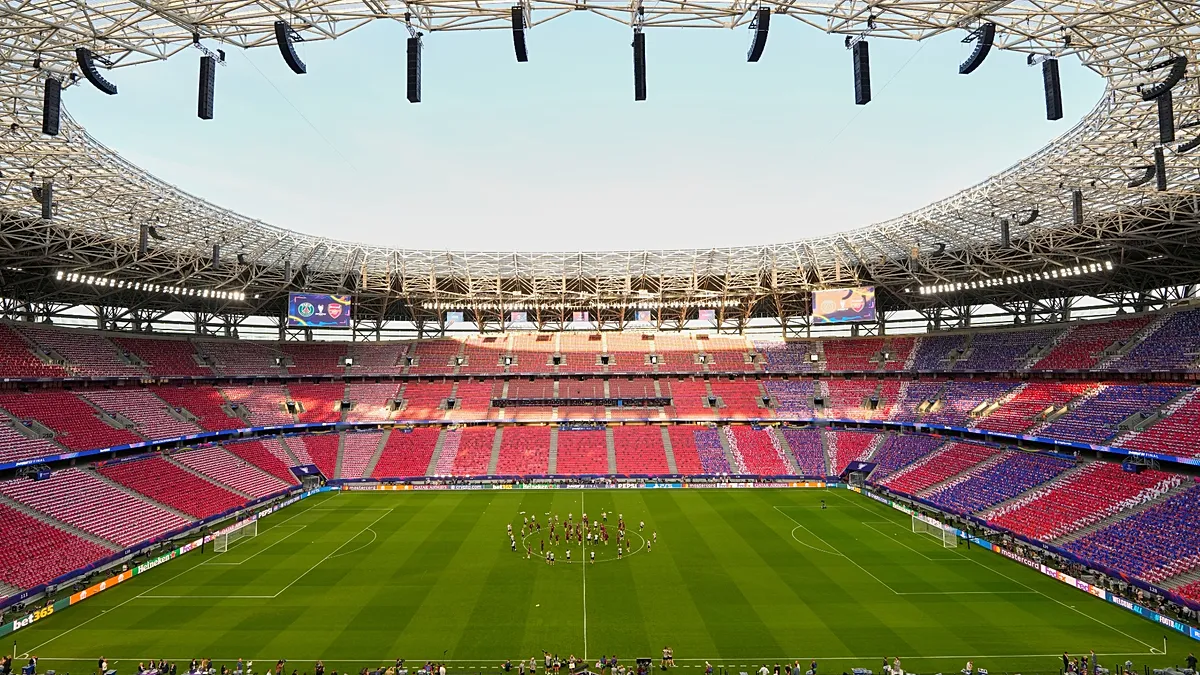
Poinews.com – The 2026 World Cup has seen an unprecedented surge in European fan support, with thousands of supporters from across the continent making their way to the United States to cheer on their national teams. As the tournament kicks off, the focus keyword—Europeans head to World Cup—has become a central theme in the global conversation surrounding the event. From the bustling streets of Boston to the vibrant cities of Miami and Houston, European fans are flocking to host cities in record numbers, creating a buzz that extends far beyond the stadiums. This wave of enthusiasm has not only transformed the atmosphere of the matches but has also sparked discussions about which country is leading the charge in terms of supporter engagement.
A Surge in European Fan Support
According to recent data from FlightsFinder, travel demand from European nations to the U.S. has skyrocketed, with certain countries standing out for their remarkable commitment to the World Cup. The Scottish supporters, for instance, have made a significant impact on the East Coast, with their presence in Boston drawing attention as the Tartan Army returns after a 28-year absence. This resurgence of fan activity has been mirrored in other nations, creating a landscape where the Europeans head to World Cup phenomenon is not just a trend, but a cultural movement.
John Finnigan, a dedicated fan from Edinburgh, captured the spirit of this event during his recent trip to Boston. He described the atmosphere as “party central,” highlighting the overwhelming enthusiasm of Scottish supporters who filled the stands and spilled into the streets. Finnigan, who has attended past tournaments in France, brought his son to the U.S. this time, emphasizing the generational appeal of the World Cup and the sense of community it fosters among fans.
Regional Variations and Strategic Planning
Germany, another key player in the European fan surge, has demonstrated a well-organized approach to attending matches. With ticket bookings doubling from the previous year, German supporters are spread across Toronto, New Jersey, and Houston. Their strategic planning is evident in the timing of their travel, with an average of 138 days of advance booking for the group stage. This foresight has allowed them to secure prime seats and experience the full spectacle of the tournament, contributing to the growing narrative of Europeans head to World Cup with high anticipation.
The rise in fan activity is not limited to Scotland and Germany. Turkey has also seen a substantial increase in bookings to California, with a 85% surge in travel. Portugal’s supporters are making their way across the Atlantic, up by 45%, while French fans are expected to support their team in a record third consecutive World Cup final. Morocco, a standout nation, has bolstered its presence with Royal Air Maroc adding 8,800 extra seats to meet demand, reflecting the country’s strong fanbase and recent successes in international competitions.
Contrasting this enthusiasm is the situation in Spain, where fan travel has declined by 26%. This shift is attributed to Spanish fans opting to stay local, influenced by the nation’s established fan zones and rising ticket prices. Similarly, Switzerland and Norway, both returning to the World Cup after 28 years, have experienced dips in bookings. These contrasting trends highlight the diverse ways in which European countries engage with the global football event, underscoring the importance of regional dynamics in shaping supporter turnout.
Understanding the Trends Behind the Supporter Movement
While the Europeans head to World Cup trend is undeniable, the reasons behind it are multifaceted. For many, the tournament represents a chance to celebrate national pride on a global stage, with countries like Scotland and Germany leveraging their rich football histories to drive fan engagement. The sense of camaraderie among supporters is palpable, as they gather in host cities to create a unified front for their teams. This collective experience not only enhances the excitement of the matches but also fosters a deeper connection to the sport and its cultural significance.
Moreover, the strategic planning evident in Germany’s fanbase reflects a broader trend among European supporters to maximize their enjoyment of the tournament. With advanced booking practices, fans are able to coordinate their travel and ensure they are in the best possible locations for matches. This organized approach is crucial in an event where the atmosphere can significantly impact the overall experience. As the World Cup progresses, the energy and enthusiasm of European fans will likely continue to shape the narrative, making it a defining moment in the history of international football.