Diesel and petrol prices jump in Portugal: find out what you’ll pay from Monday
rol Costs Rise Sharply Diesel and petrol prices jump in Portugal - Fuel prices in Portugal have experienced a significant jump, with both diesel and petrol

Portugal’s Fuel Prices Surge: Diesel and Petrol Costs Rise Sharply
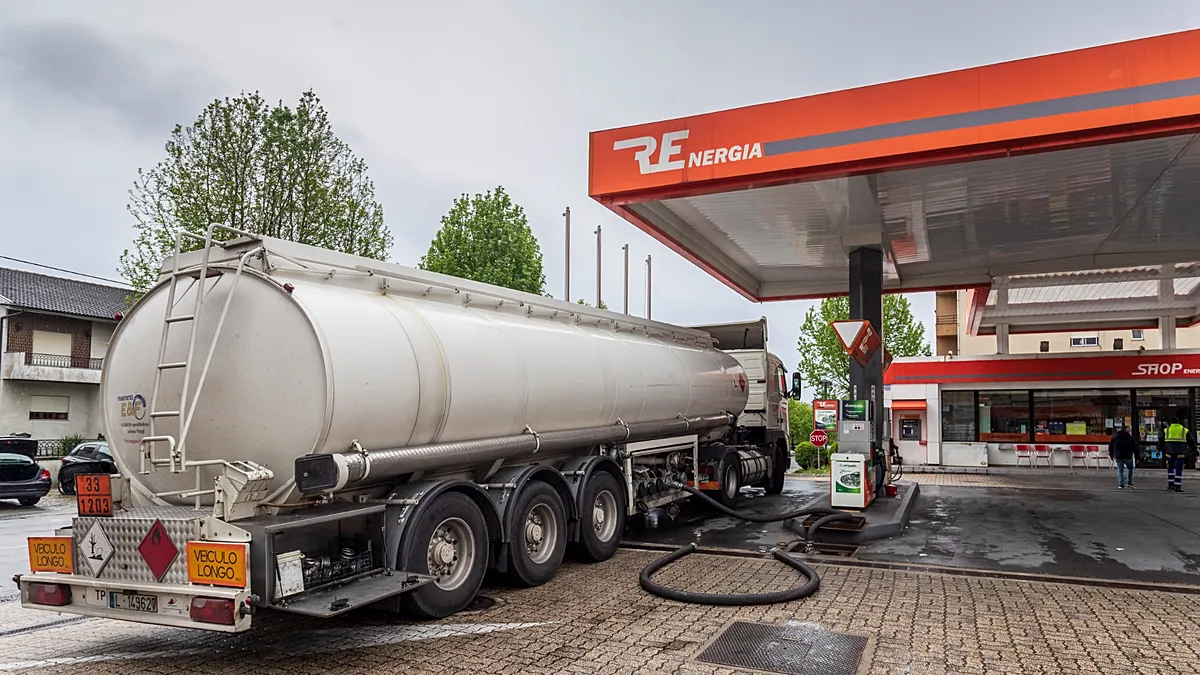
Poinews.com – Fuel prices in Portugal have experienced a significant jump, with both diesel and petrol prices set to increase as of Monday, 20 July. According to the Automóvel Clube de Portugal (ACP) and projections from the Directorate-General for Energy and Geology (DGEG), consumers will see a notable rise in their fuel expenses. Diesel is expected to climb by 13.5 cents per litre, while petrol will increase by 6.5 cents per litre. This brings the average cost of diesel to €1.988 and petrol to €1.980, marking a clear shift in the country’s energy market landscape.
Global Market Pressures Fuel Price Hikes
The surge in fuel prices is closely tied to broader global market dynamics, particularly the ongoing tensions in the Middle East. The conflict between the US, Israel, and Iran, which began on 28 February, has disrupted oil supply chains and heightened uncertainty in the energy sector. As a result, international crude oil prices have fluctuated, directly influencing the cost of diesel and petrol in Portugal. The ACP attributes these changes to “raw material prices at the close of markets last Thursday,” but further adjustments could still occur before the final price fix on Friday.
Analysts emphasize that the rise in fuel costs reflects a combination of geopolitical instability, production challenges, and rising transportation expenses. The Directorate-General for Energy and Geology (DGEG) has highlighted that the increase is a direct response to the evolving energy market, where demand and supply imbalances continue to play a critical role. With the Strait of Hormuz closure earlier this year contributing to a spike in oil prices, the current scenario is a continuation of the pressures that have shaped the fuel market over the past several months.
“The discussion over reducing fuel VAT has been a recurring topic…”
Consumer Impact and Policy Responses
As the jump in diesel and petrol prices takes effect, the impact on Portuguese consumers is becoming increasingly