Sunbed wars and music bans: Europe’s surprising beach rules travellers should know this summer
Sunbed Conflicts and Music Bans: Europe's Beach Rules for Summer Travelers Sunbed wars and music bans - As summer approaches, Europe’s beaches are becoming

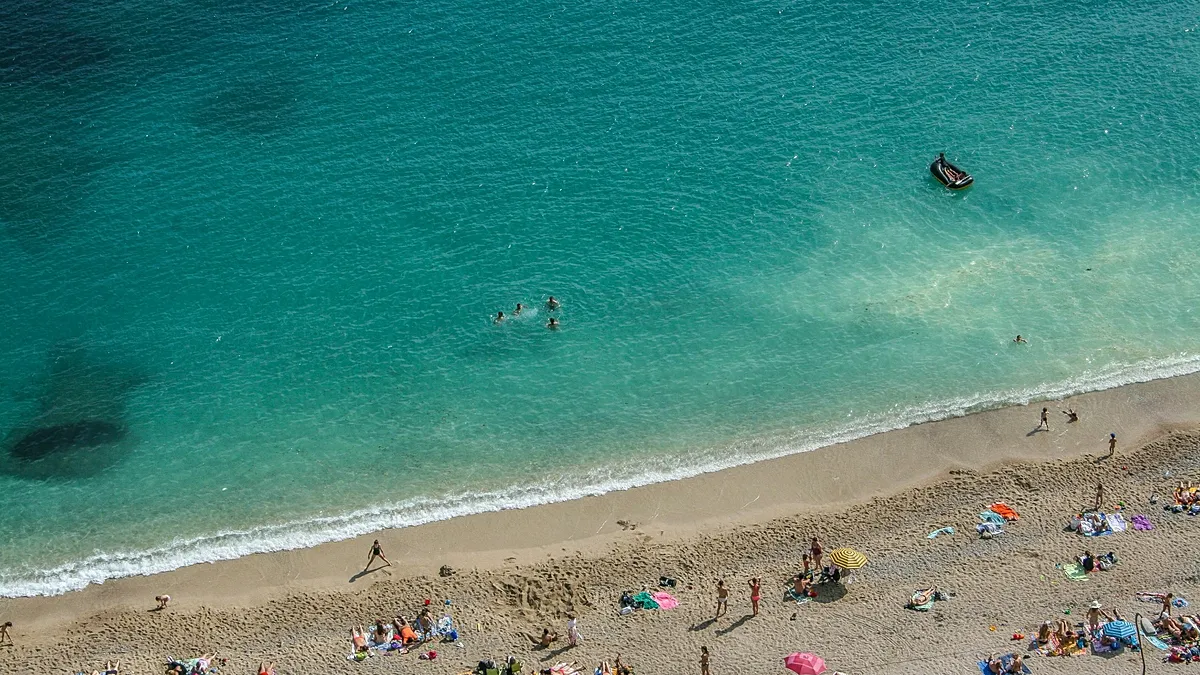
Sunbed Conflicts and Music Bans: Europe’s Beach Rules for Summer Travelers
Poinews.com – As summer approaches, Europe’s beaches are becoming battlegrounds for sunbed wars and music bans, with travelers facing an array of rules designed to manage overcrowding and preserve local ecosystems. These seemingly unusual regulations, which include fines for peeing on the sand and restrictions on sunbed placement, are reshaping the way visitors experience coastal destinations. Understanding these unexpected guidelines is essential for anyone planning a beach trip this season.
Beach Equipment Regulations and Environmental Concerns
Many European coastal towns have implemented strict rules on sunbed and umbrella usage to reduce environmental impact and ensure fair access for all visitors. In Sardinia’s Villasimius, the initial policy restricted sunbeds to seniors and parents with young children, but public backlash led to revised rules allowing families to use them in designated zones. The policy now emphasizes balancing recreational needs with the preservation of natural resources, as seen on Pelosa beach, where towels must be placed on mats to minimize sand displacement and avoid €100 fines.
Local authorities argue that sunbed wars and music bans are necessary to maintain order and protect the fragile coastal environments that attract millions of tourists each year.
Enforced Zones and Fines for Violations
Strict zones are now common across Europe, with some beaches like Greece’s 251 “no-building” areas banning sunbeds, parasols, and temporary structures entirely. In Spain, certain regions require beachgoers to reserve chairs by 9:30 AM, or they’ll be claimed by local officials. Penalties can reach €250 for non-compliance, with belongings stored in municipal depots. Meanwhile, the Canary Islands and Balearics have extended restrictions to smoking and vaping, affecting over 600 beaches and signaling a broader push for public health and environmental sustainability.
Swimwear Rules and Modesty Enforcement
Swimwear regulations are not limited to the beach itself. In Sorrento, Italy, wearing bikinis or trunks in town can result in fines up to €500, while Albufeira, Portugal, levies penalties from €300 to €1,500 for similar offenses in designated areas. Spain’s coastal cities, including Barcelona and Majorca, also enforce topless attire rules in shops and restaurants, with fines up to €300. These rules are part of a trend to promote modesty and public order, as highlighted by Malaga’s signs in English reminding visitors of local beach etiquette.
Loud Music and Portable Speaker Bans
Portugal’s National Maritime Authority (AMN) has introduced fines for loud music played through portable speakers, ranging from €200 to €4,000. This measure is part of broader efforts to combat noise pollution and ensure a peaceful environment for all beachgoers. In France, the city of Nice imposes a €35 fine for walking topless, while €38 is charged for bathing in swimwear in restricted zones. Varenna, Italy, mirrors this trend, fining tourists for bare-chested or swimwear-only appearances. Meanwhile, Spain’s Vigo levies a €750 fine for “physiological evacuation” on the beach, adding a touch of humor to the enforcement of modesty.
Animals on the Sand and Seasonal Restrictions
Some European beaches have taken measures to limit animal presence, particularly during peak seasons. Dogs are often banned from Blue Flag zones in Italy, Spain, France, and Croatia, or restricted to early mornings to prevent damage to dunes and wildlife habitats. Horses also face similar bans, and in a few regions, even elephants are discouraged from being brought to the shore. These rules aim to protect the natural environment while ensuring safety and comfort for visitors.
With more than 600 beaches now under strict regulations, travelers must familiarize themselves with local rules to avoid unexpected fines. From sunbed wars to music bans, these measures reflect Europe’s commitment to sustainability and order as its coastlines become increasingly crowded. By adhering to guidelines, tourists can enjoy their summer trips without disruption, ensuring a harmonious experience for all beachgoers.