IEA and OPEC split on global oil demand estimates as Strait of Hormuz closure drags
The IEA and OPEC split on global oil demand estimates this week, revealing fundamentally different outlooks as the Strait of Hormuz closure extends into its

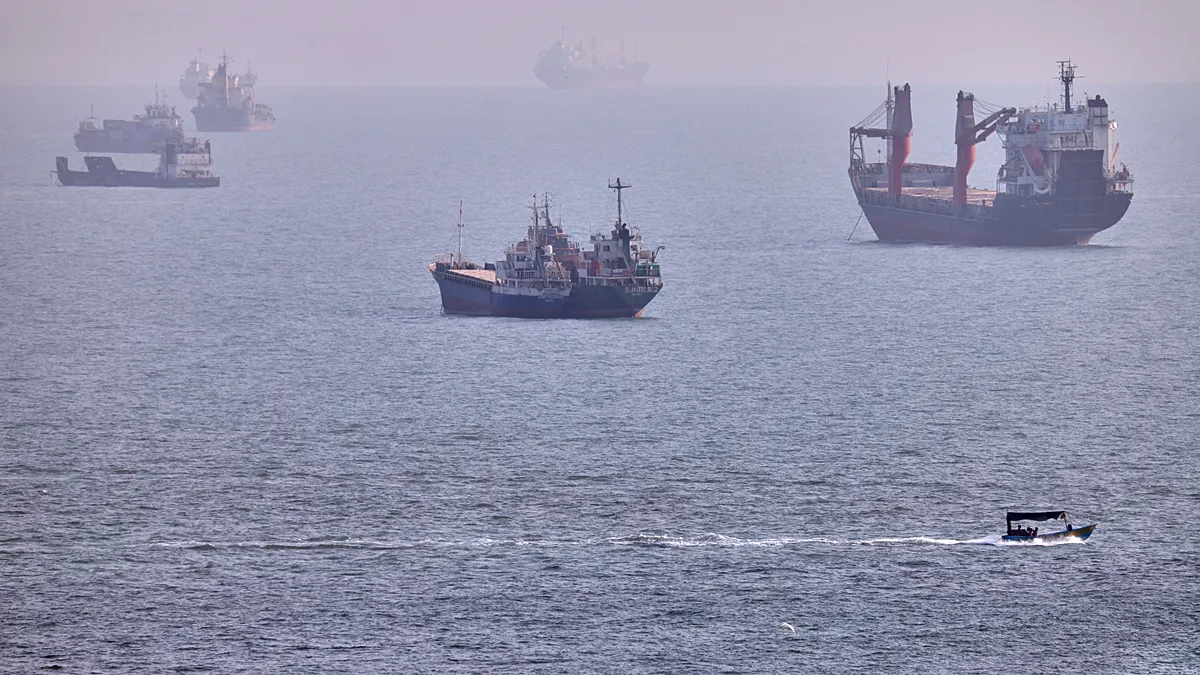
Table of Contents
IEA and OPEC Split on Global Oil Demand as Hormuz Crisis Continues
Poinews.com – The IEA and OPEC split on global oil demand estimates this week, revealing fundamentally different outlooks as the Strait of Hormuz closure extends into its second month. The International Energy Agency has slashed its 2026 consumption forecast while OPEC maintains growth projections, creating a divergence of more than two million barrels per day between the two institutions’ assessments of worldwide energy needs.
Conflicting Demand Projections for 2026
The Paris-based IEA has significantly revised its 2026 outlook downward, now anticipating a reduction of 1.6 million barrels per day in global oil usage. This represents a substantial cut of 510,000 barrels from its July assessment, marking the first time since the pandemic severely disrupted economic activity that the agency forecasts declining consumption.
“The ongoing closure of the Strait of Hormuz and elevated fuel prices continue to weigh on oil consumption,” the agency stated, reducing its second-half projection by approximately 550,000 barrels daily.
Conversely, OPEC continues to anticipate expansion, though it has lowered its estimate for four straight months. The producer organization now projects growth of 580,000 barrels per day, down from 780,000 barrels. Throughout this period, the group has maintained that geopolitical conflicts have harmed consumption less than Western analysts suggest.
Supply Constraints Drive Pessimism
The supply landscape reveals why the IEA remains cautious. Worldwide production increased by 2.4 million barrels to reach 101.5 million barrels daily in July, yet this figure sits 6.3 million barrels below the previous year’s levels. Approximately 8.3 million barrels of Gulf production remain offline.
Although Gulf output climbed to 23.9 million barrels daily, regional exports contracted by 2.1 million barrels to 15 million barrels. This decline followed the effective closure of the Strait of Hormuz in early July, when attacks on tankers and infrastructure caused loadings to plummet from 20 million barrels to roughly 12 million barrels daily.
Without an agreement to restore passage through the waterway or secure transit via Bab el-Mandeb, the IEA has once again reduced its supply projections. The agency now anticipates output will decrease by 4.3 million barrels this year.
Stock Levels and Future Outlook
Global inventories experienced a significant drawdown, falling by 69 million barrels in July to just under 7.9 billion barrels. This represents a cumulative decline of 410 million barrels since the conflict began.
Looking ahead to 2027, both organizations expect recovery, though with different magnitudes. OPEC has upgraded its projection to 2.2 million barrels of growth, up from 1.94 million barrels forecast last month. The IEA goes even further, predicting 2.4 million barrels of expansion.
This represents an interesting inversion: the more pessimistic organization for the current year offers the more optimistic outlook for the following year. The IEA interprets the situation as a transportation bottleneck rather than a fundamental collapse in demand. According to this view, oil remains available but cannot reach consumers, meaning the deeper the current shortfall, the more dramatic the recovery once the Strait reopens.
OPEC, which has consistently argued that consumption never fell significantly, faces less ground to recover. The agency’s projections assume gradual normalization of flows, transforming this year’s supply contraction into growth of 8.3 million barrels. This would flip a 1.3 million barrel deficit into a 4.6 million barrel surplus, contingent on continued de-escalation of the crisis.
Frequently Asked Questions
What is causing the IEA and OPEC split on global oil demand?
The disagreement stems from different interpretations of how the Strait of Hormuz closure affects consumption. The IEA views it as a demand-side problem with elevated prices reducing usage, while OPEC sees it primarily as a supply disruption that will reverse once transit normalizes.
How much oil is affected by the Strait of Hormuz closure?
Approximately 20 million barrels per day previously flowed through the strait before the closure. Following attacks in early July, loadings dropped to roughly 12 million barrels daily, with about 8.3 million barrels of Gulf production remaining offline.
When might oil demand recover according to these forecasts?
Both organizations project recovery in 2027. The IEA forecasts 2.4 million barrels of growth while OPEC expects 2.2 million barrels, though their paths to recovery differ significantly based on their current-year assessments.
For more energy market analysis, visit our business section for daily updates on global commodity markets and geopolitical impacts on energy supply chains.