
Archaeologists find oldest library in Iberian Peninsula in Puente Genil
Archaeologists find oldest library in Iberian Peninsula at the Fuente Álamo archaeological site in Puente Genil, according to new research published in the

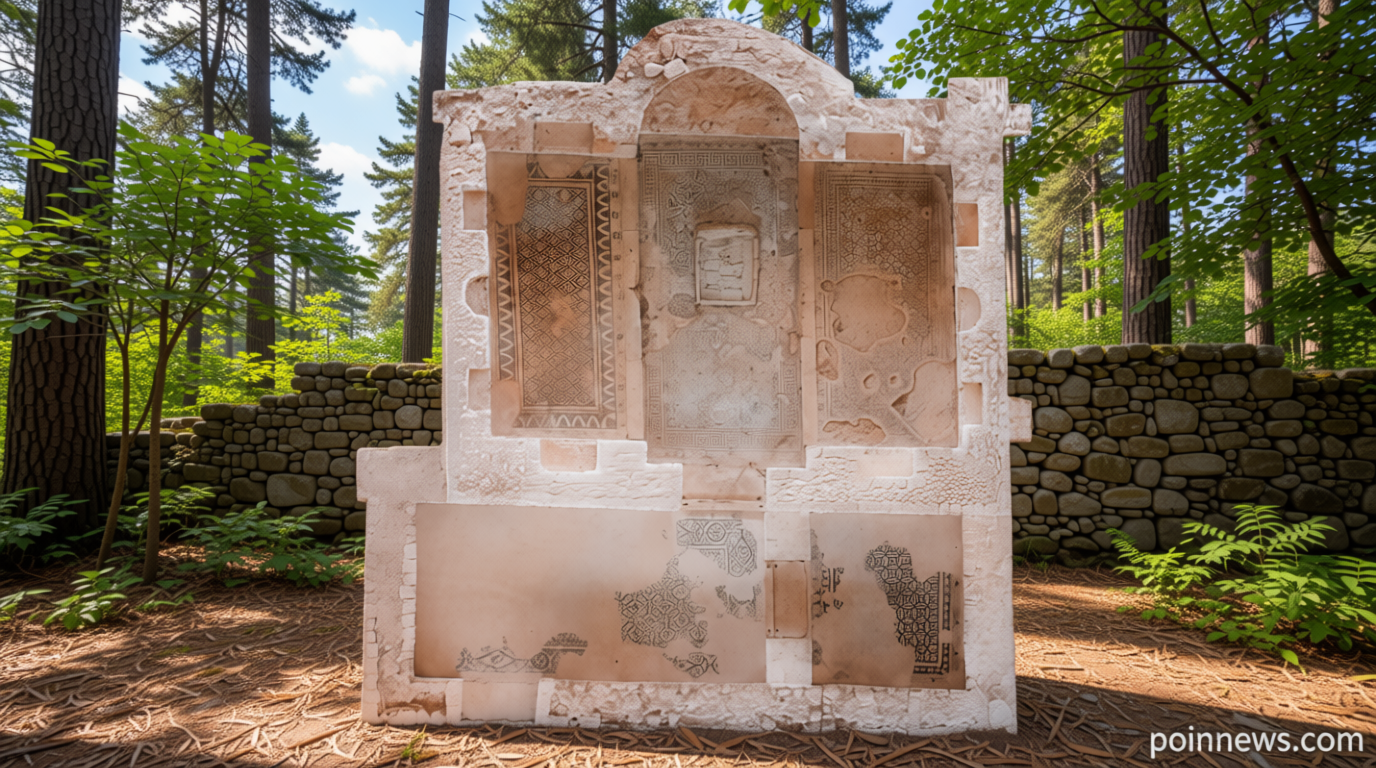
Major Archaeological Breakthrough in Southern Spain
Poinews.com – Archaeologists find oldest library in Iberian Peninsula at the Fuente Álamo archaeological site in Puente Genil, according to new research published in the Journal of Mediterranean Archaeology. This groundbreaking discovery, led by researchers from the universities of Córdoba and Granada, fundamentally alters our understanding of ancient Mediterranean culture and intellectual life. The team’s comprehensive analysis suggests that room number 10 at this historic site served as a sophisticated library rather than the previously assumed Mithraic shrine dedicated to the Persian deity that was later incorporated into Roman religious practices.
Uncovering Ancient Knowledge
The archaeological complex at Fuente Álamo has undergone remarkable transformations throughout its long history. Originally constructed as a thermal spa during the first century before Christ, the facility eventually fell into disuse before being repurposed as a residential villa approximately three centuries later. While scholars cannot definitively pinpoint the exact period when the room functioned as a library, they estimate that the building experienced its golden age over the subsequent two hundred years, with additional renovations occurring during the sixth century.
“This discovery represents a paradigm shift in how we understand the distribution of knowledge and learning spaces throughout the Roman Empire,” noted one of the lead researchers involved in the study.
Revolutionary Analytical Methods
To determine the room’s true purpose with greater accuracy, scientists applied an innovative method called shape grammar, enabling them to examine how various architectural components interrelated within the space. The findings revealed a configuration remarkably consistent with Roman library design: an apse at one end, rectangular recesses potentially designed to accommodate bookshelves, semicircular alcoves, a raised platform, and connected chambers that likely provided workspace or storage facilities for scrolls and manuscripts.
Experts consider this find particularly significant because the architectural elements at Fuente Álamo preserve a unique combination of indicators that move the conclusion beyond mere speculation. The systematic approach taken by the research team has provided compelling evidence that challenges long-held assumptions about the site’s primary function and demonstrates the sophisticated nature of ancient intellectual communities.
Historical Significance and Global Impact
Consequently, this library would represent not only the earliest example in the Iberian Peninsula but also the westernmost location within the entire Roman Empire, alongside being among the most thoroughly preserved examples discovered to date. The discovery has generated considerable excitement among historians and archaeologists worldwide, as it provides valuable insights into how knowledge was stored, organized, and accessed in ancient times. The findings suggest that intellectual pursuits were more widespread throughout the Roman world than previously believed, with even distant provinces maintaining sophisticated systems for preserving and sharing knowledge.
As researchers continue to analyze the architectural features and compare them with other known library sites across the Mediterranean, they anticipate that additional discoveries may emerge that further illuminate the role of this remarkable facility in ancient society. The ongoing study promises to reveal even more about daily life, scholarly activities, and cultural exchange in this important corner of the Roman Empire during its formative centuries.