Delicious dumplings: The evolution of delicacies enjoyed all along the Silk Road to Spain
Along the ancient trade networks that connected East and West, a remarkable food tradition evolved. Known as the "Dumpling Belt," this corridor saw humble

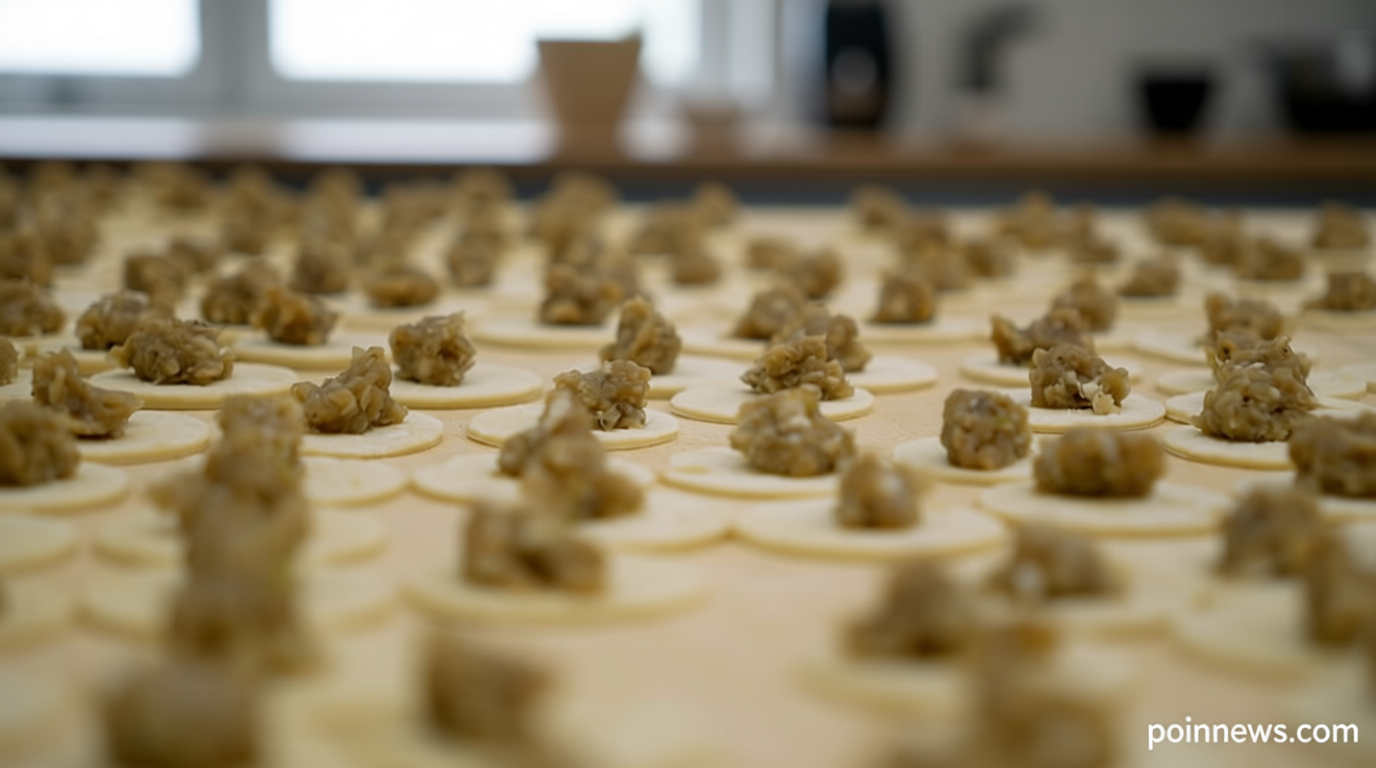
Table of Contents
The Dumpling Belt: A Culinary Journey from China to Spain
Poinews.com – Along the ancient trade networks that connected East and West, a remarkable food tradition evolved. Known as the “Dumpling Belt,” this corridor saw humble pastry parcels travel thousands of miles, adapting their names, forms, and preparation methods as they moved westward. From China through Central Asia and the South Caucasus, these dough-wrapped treasures eventually reached European shores, each region leaving its distinctive mark.
Ancient Origins and Enduring Traditions
Chinese folklore traces the origins of these delicacies to Zhang Zhongjing, a celebrated physician who lived nearly two thousand years ago. Legend holds that during an especially harsh winter, he created dough parcels filled with mutton, aromatic herbs, and warming spices to heal villagers whose ears had suffered from frostbite. The shape he chose deliberately mirrored human ears.
Archaeological evidence supports this ancient heritage. In the Turfan region of Xinjiang, researchers uncovered dumplings that have survived more than a millennium. Additionally, a third-century poem by the scholar Shu Xi references Mantou, suggesting these simple bundles served dual purposes as both nourishment and medicine for travelers traversing Eurasia’s vast landscapes.
Regional Transformations Across the Dumpling Belt
Merchants, nomadic peoples, and caravan traders carried these dough parcels westward, where they encountered new ingredients and cooking techniques. In Central Asia, the dumplings grew larger and more substantial. Varieties like manty and Manti emerged, generously stuffed with lamb and onion, then steamed until clouds of vapor rose from the cooking vessels.
As the journey continued, each territory developed its own signature versions. Uzbekistan produced the delicate chuchvara alongside its Manti. Kazakhstan embraced the robust Manti. Meanwhile, the South Caucasus region crafted the refined Azerbaijani Düşbərə and Gürzə. Every variation reflected local ingredients, methods, and cultural traditions, demonstrating how a single concept—savory filling enclosed in dough—became a culinary nomad reshaped by countless encounters.
Azerbaijan’s Distinctive Dumpling Heritage
Azerbaijan contributes two particularly notable dumpling varieties to this rich tapestry. Düşbərə and Gürzə may appear unassuming at first sight, yet both demand considerable precision and patience to prepare correctly.
Düşbərə are remarkably small—delicate dough envelopes containing minced lamb, typically served in aromatic broth. Traditional wisdom suggests that dozens of these tiny parcels should fit comfortably on a single spoon. Gürzə differs in size and form. Slightly larger than its counterpart, it features a hand-pinched top folded into a braided pattern resembling a snake. The name itself connects to the local term for viper.
Both dishes rely on straightforward components: fine dough, seasoned meat, fresh herbs, and flavorful broth. Their true essence emerges through technique and the generational knowledge passed through Azerbaijani households.
Modern Celebrations of Ancient Flavors
Contemporary chefs honor these time-honored traditions while introducing personal interpretations, ensuring these beloved dumplings remain central to Azerbaijan’s culinary identity.
Ilkin Akbarzadeh, President of the Baku Culinary Association with more than sixty thousand Instagram followers, emphasizes the cultural significance of these foods.
“Dumpling, this is part of our traditional cuisine, the heritage cuisine in Azerbaijan.”
“I think probably, many of these dumplings are coming from Asia, from China, and after some kind of transformers for every culture, every people, and all regions,” he explains.
Akbarzadeh notes that all varieties share a common foundation of flour-based dough. He mentions dushbara, kingels, and gurza as examples of foods prepared from dough and filled with meat. Seasonal patterns also influence consumption, with winter being the preferred time for eating dumplings.
“Usually in our culture, people eat it in winter time. For energy, for the health, for cold weather, you’re heating the whole body, and that usually representing this food in the winter, in our culture.”
Azerbaijan offers numerous dough-wrapped options featuring meat or vegetables, including dushbara, kutabs, and gurza. According to the chef, the proper way to enjoy dushbara served in broth involves consuming thirteen to fifteen small pieces per spoon. Gurza dumplings traditionally accompany a sprinkle of sumac or a sauce combining yogurt, mint, and garlic.
Across Central Asia, dumplings adopted heartier forms influenced by nomadic customs and the region’s preference for communal dining. In Uzbekistan, Manti stands as one of the most recognizable varieties—large, steamed parcels whose recipes have been carefully transmitted through generations.
Related Reading
Frequently Asked Questions
What is Delicious dumplings?
Delicious dumplings is the main topic of this guide. The article explains the context, practical details, and next steps readers should understand.
Why does Delicious dumplings matter?
Delicious dumplings matters because readers are looking for a useful answer, not just a short summary. Good content should match search intent and help them decide what to do next.